
Warning Safety Signs FAQs
Written by the Technical Team at Caledonia Signs
Last reviewed: July 2026
Welcome to the Caledonia Signs Warning Signs Knowledge Centre
Warning safety signs play an important role in helping workplaces communicate hazards clearly and effectively. They are designed to alert employees, contractors, and visitors to potential dangers before they enter a risk area or carry out a task. From factories and warehouses to construction sites, offices, and public buildings, the correct use of warning signs helps improve hazard awareness and supports a safer working environment.
Understanding when and how to use warning safety signs can raise a number of questions, including which hazards require signage, what the symbols mean, whether signs are legally required, and which standards apply in the UK. Factors such as workplace activities, risk assessments, sign placement, visibility, and the type of hazard present all influence the selection of the most appropriate warning sign.
This page answers some of the most frequently asked questions about warning safety signs, including UK regulations, BS EN ISO 7010 symbols, legal responsibilities, common workplace hazards, and best practices for installation and maintenance. Whether you manage a warehouse, factory, construction site, commercial building, or public facility, this guide provides practical information to help you choose and use effective hazard warning signage.
Clear and compliant warning signs are an essential part of a wider health and safety strategy that includes risk assessments, employee training, and appropriate control measures. By ensuring hazards are identified and communicated effectively, businesses can help reduce accidents, improve safety awareness, and create a safer environment for everyone.
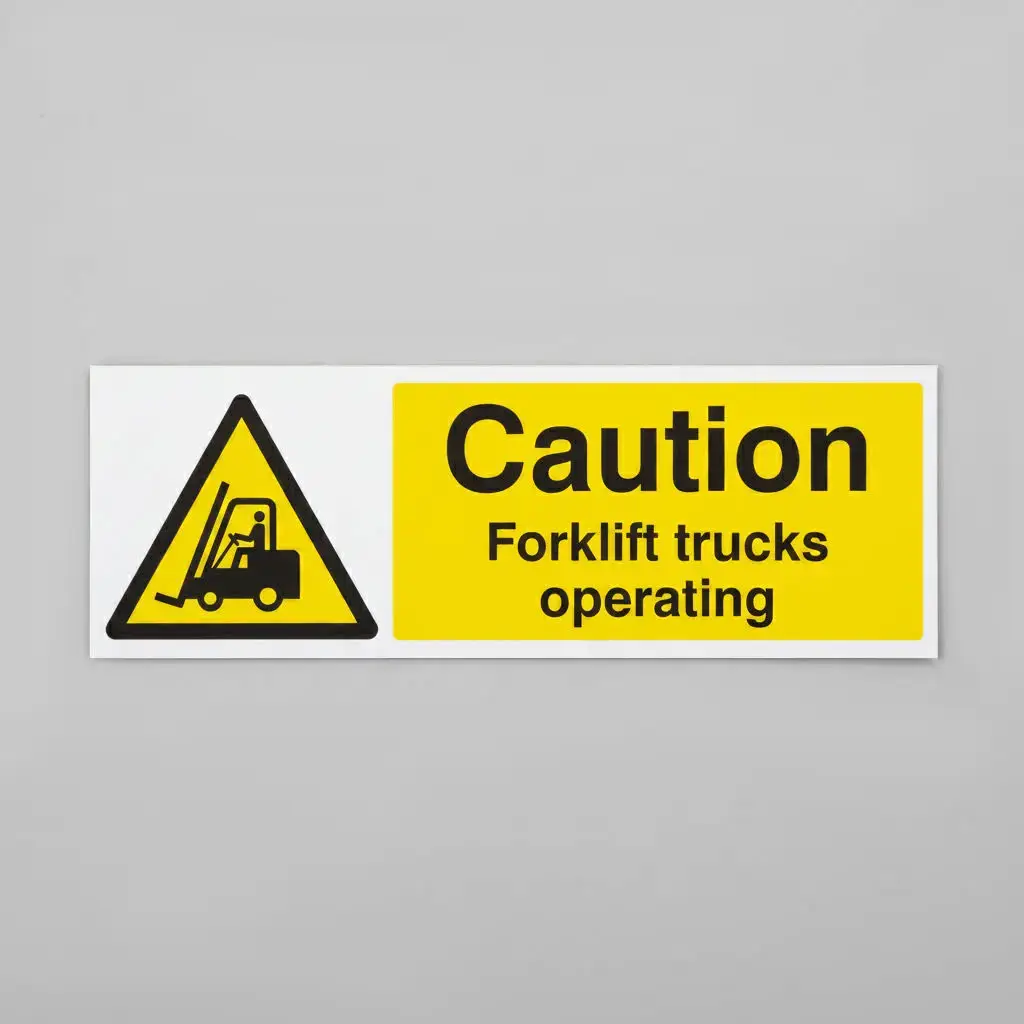
When should warning safety signs be used?
Warning safety signs should be used when there is a hazard or potential danger in a workplace that needs to be clearly communicated to employees, visitors, or contractors. Their purpose is to alert people to risks that may cause injury, illness, or damage if appropriate precautions are not taken. Warning signs do not replace other safety measures, but they provide an important visual reminder of hazards and help people make safer decisions.
In the UK, warning signs are used as part of workplace safety communication under the Health and Safety (Safety Signs and Signals) Regulations 1996. They should be provided where a significant risk remains after other control measures have been considered, such as engineering controls, safe working procedures, or training. Common examples include signs warning of slippery surfaces, electrical hazards, forklift traffic, moving machinery, hazardous substances, high temperatures, and restricted areas.
A warning safety sign is typically identified by a yellow background with a black triangular border and black pictogram, following the principles of BS EN ISO 7010 safety signage. This standardised design allows people to quickly recognise that a hazard is present, even in unfamiliar workplaces or where language barriers exist.
Warning signs should be positioned close to the hazard and where they can be easily seen before a person enters the risk area. They should be kept clean, visible, and regularly reviewed to ensure they remain relevant as workplace conditions change. Using the correct warning signs alongside risk assessments, employee training, and other safety controls helps reduce accidents and improves overall workplace safety.
What is the difference between warning signs and danger signs?
The main difference between warning signs and danger signs is the level of risk they communicate. Warning signs are used to alert people to a potential hazard that could cause injury or harm if suitable precautions are not taken. Danger signs are used for situations where there is a more serious or immediate risk that could result in severe injury or death, requiring people to take urgent action to avoid the hazard.
In the UK, warning signs are commonly used to highlight hazards such as slippery surfaces, forklift movements, electrical risks, moving machinery, hot surfaces, or hazardous substances. They are usually displayed as a yellow triangle with a black border and black pictogram, following the principles of BS EN ISO 7010 safety symbols. These signs communicate that a hazard is present and that people should take care or follow safety procedures.
Danger signs are generally associated with higher-risk situations and are often used where there is an immediate threat, such as high-voltage electrical equipment, confined spaces, or areas with a serious risk of fatal injury. Danger signs are typically used with the word “DANGER” in a prominent heading and are intended to attract immediate attention to a critical hazard. The exact format and use may depend on the specific application and relevant safety requirements.
Both warning and danger signs are important parts of an effective workplace safety system, but they serve different purposes. Warning signs encourage people to be aware and take precautions, while danger signs highlight hazards where failure to follow instructions could have severe consequences. Selecting the correct type of safety sign, based on a suitable risk assessment, helps ensure hazards are communicated clearly and effectively.
Do warning safety signs need to comply with ISO 7010?
Yes, warning safety signs should follow the principles of BS EN ISO 7010 to ensure that hazard information is communicated clearly and consistently. ISO 7010 provides standardised safety symbols and pictograms that are recognised internationally, helping employees, contractors, and visitors quickly identify hazards regardless of their language or background.
In the UK, the Health and Safety (Safety Signs and Signals) Regulations 1996 require employers to use appropriate safety signs where risks cannot be controlled by other measures. While the regulations do not specifically require every sign to carry an ISO 7010 pictogram, using recognised symbols helps ensure that warning signs are easily understood and meet accepted safety communication practices.
ISO 7010 warning signs typically use a yellow background with a black triangular border and black pictogram to indicate the presence of a hazard. Examples include signs for electrical danger, slippery surfaces, forklift traffic, moving machinery, flammable materials, and hazardous substances. The standardised design allows people to recognise the type of risk quickly, even in unfamiliar workplaces.
Using ISO 7010-compliant warning signs helps businesses improve hazard awareness, support workplace safety procedures, and maintain consistent signage across their facilities. When combined with risk assessments, employee training, and other control measures, correctly designed warning safety signs form an important part of an effective health and safety management system.
Caledonia Signs Expert Tip: Before the Hazard, Not At the Hazard
A warning safety sign is most effective when people see it before they reach the risk area, giving them enough time to understand the hazard and take appropriate precautions. Position signs at eye level, in well-lit locations, and along normal approach routes so employees, visitors, and contractors can recognise potential dangers before exposure.
Regularly review your warning signs as part of your workplace risk assessments, especially after changes to equipment, layouts, processes, or traffic routes. Ensure signs remain clean, visible, and relevant, and use BS EN ISO 7010-compliant warning symbols wherever possible to provide clear, consistent hazard communication across your workplace.
What do the symbols on warning signs mean?
The symbols on warning safety signs are designed to quickly communicate the type of hazard present in a workplace or public area. These symbols use standardised pictograms, typically shown as a black symbol inside a yellow triangle with a black border, allowing people to recognise potential dangers quickly without needing to rely only on written instructions. Many of these symbols follow the principles of BS EN ISO 7010, helping ensure consistent hazard communication across different industries and locations.
Common warning sign symbols include the exclamation mark, which indicates a general warning where a hazard exists, and the lightning bolt symbol, which warns of electrical hazards such as high voltage. Other examples include the flame symbol for flammable materials, the skull and crossbones symbol for toxic substances, and the biohazard symbol for biological risks. Each pictogram provides a clear visual indication of the type of danger people may encounter.
Warning signs can also identify physical hazards within factories, warehouses, construction sites, and other workplaces. Examples include the slipping person symbol for slippery surfaces, the forklift symbol for vehicle movement areas, the hot surface symbol for heat-related risks, and the moving machinery symbol for equipment hazards. These signs help people take appropriate precautions before entering or working in hazardous areas.
Understanding warning sign symbols is an important part of workplace safety because it allows employees, contractors, and visitors to recognise risks quickly and respond appropriately. Correctly selected and positioned warning signs should always be used alongside risk assessments, safe working procedures, and appropriate training to help reduce accidents and improve hazard awareness.
Are warning safety signs a legal requirement in the UK?
Warning safety signs can be a legal requirement in the UK where they are necessary to communicate significant workplace hazards that cannot be adequately controlled by other measures. Employers have a responsibility to protect employees, contractors, and visitors by identifying risks and providing suitable information, instruction, and warnings. Safety signs form part of a wider approach to managing workplace health and safety.
The Health and Safety (Safety Signs and Signals) Regulations 1996 require employers to use safety signs where risks cannot be avoided or sufficiently reduced through other control measures. This means that if a hazard remains present and people need to be made aware of it, an appropriate warning sign should be provided. The type of sign used should reflect the level and nature of the risk identified through a suitable risk assessment.
Warning safety signs are commonly used in UK workplaces to highlight hazards such as electrical risks, moving vehicles, machinery, hazardous substances, slippery surfaces, and restricted areas. These signs typically use a yellow triangle with a black border and black pictogram, following recognised safety sign principles such as BS EN ISO 7010, making hazards easier to identify quickly.
While warning signs alone do not remove workplace risks, they are an important part of an effective safety management system. Regular reviews of workplace hazards, clear sign placement, employee awareness, and maintenance of signage help businesses meet their health and safety responsibilities and create a safer environment for everyone on site.
What hazards require warning safety signs?
Warning safety signs are used to highlight hazards that could cause injury, illness, or damage if people are not aware of the risk or fail to take appropriate precautions. The hazards requiring warning signs will depend on the workplace environment and the findings of a suitable risk assessment. In the UK, employers should use warning signs where hazards remain present and need to be clearly communicated to employees, contractors, and visitors.
Common hazards that may require warning safety signs include electrical risks, such as high voltage equipment and electrical installations; moving vehicles, including forklifts and industrial trucks; and machinery hazards, where moving parts or automated equipment could cause injury. Warning signs are also commonly used for slippery surfaces, hot surfaces, flammable materials, explosive atmospheres, and areas where there is a risk of falling objects or other physical dangers.
Chemical and environmental hazards may also require warning signs. These can include areas containing hazardous substances, toxic materials, corrosive chemicals, radiation risks, biological hazards, or low-temperature environments. Warning signs help ensure that people understand the potential danger before entering an area or handling equipment and can take the necessary safety precautions.
Effective warning signage should be clearly visible, positioned close to the hazard, and use recognised symbols such as those outlined in BS EN ISO 7010. Common warning signs feature a yellow triangular background with a black border and black pictogram to provide quick visual recognition. When combined with risk assessments, training, and other safety controls, warning signs help reduce accidents and improve workplace hazard awareness.
Looking for Safety Signs?
Caledonia Signs is one of the UK's leading trade-only manufacturers of safety signage, supplying an extensive network of distributors throughout the UK and overseas. If you're an end user looking to purchase safety signs, we'd still be delighted to help. Simply contact us with details of your requirements and we'll be happy to recommend a suitable distributor in your area. Interested in becoming a distributor? Contact our team to discuss opening a trade account and gaining access to our full product range, trade pricing and online ordering portal.
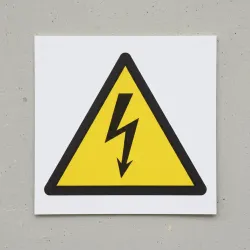
Electricity Symbol Safety Signs
The Electricity Symbol Safety Sign is used to warn people of electrical hazards and areas where there is a risk of electric shock, electrical burns or contact with dangerous voltages. Featuring the internationally recognised lightning-bolt pictogram, the symbol provides a clear visual warning that electrical equipment, installations or live components may present a serious hazard. Based on the ..
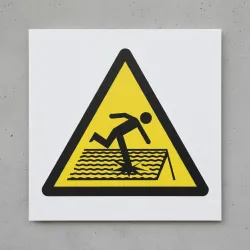
Fragile Roof Symbol Safety Signs
Used to alert workers and visitors that the roof or surface they are about to access is fragile and cannot support their weight safely. This symbol usually depicts a person stepping on a cracked or breaking surface, visually communicating the risk of falling through if caution is not exercised. It is essential for preventing accidents related to roof collapses or falls through weak roofing materia..
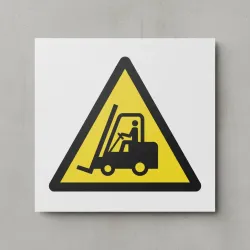
Forklift Symbol Safety Signs
A widely recognised safety sign used to indicate areas where forklifts or other industrial lift trucks are in operation. It typically depicts a simplified image of a forklift and its operator, sometimes with motion lines or hazard markings to show movement. The purpose of the symbol is to alert pedestrians and drivers to the presence of heavy machinery so they can remain cautious and avoid enterin..
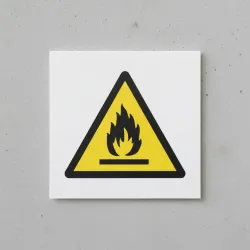
Flammable Symbol Safety Signs
The Flammable Symbol sign is vital for indicating the presence of materials or substances that can easily catch fire or explode when exposed to heat, sparks, or flames. Using this sign helps raise awareness of fire risks, encouraging safe handling, storage, and use of flammable items to prevent accidents and protect lives and property. Commonly used in environments such as chemical storage area..
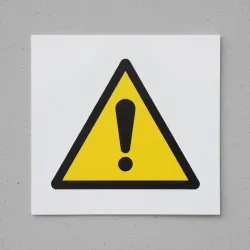
! - Warning - Exclamation Symbol Safety Signs
Draw attention to a general hazard or caution that may not fall under a specific category but still requires awareness and care. It serves as a versatile alert to indicate potential risks that could cause injury, damage, or unsafe conditions if not properly managed. The main purpose of this symbol is to prompt individuals to take notice and exercise caution, encouraging them to read accompany..
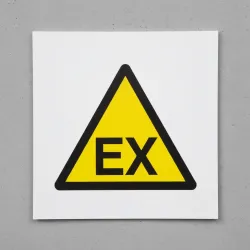
EX Symbol Safety Signs
The EX symbol is a safety marking that indicates equipment or areas designed for use in explosive atmospheres. It signifies that the item complies with strict safety standards to prevent ignition of flammable gases, vapors, or dust, reducing the risk of explosions. This symbol is typically found on electrical equipment, tools, lighting, and machinery used in hazardous environments such as oil..