
Pipeline Identification FAQs
Written by the Technical Team at Caledonia Signs
Last reviewed: July 2026
Welcome to the Caledonia Signs Pipeline Identification Knowledge Centre
The Pipeline Identification Knowledge Centre provides clear answers to common questions about pipe marking, labelling, and identification systems used across industrial and commercial environments. Pipeline identification plays an important role in workplace safety by helping employees, contractors, and maintenance teams quickly understand the contents, purpose, and flow direction of pipe systems. Clear identification helps reduce confusion, prevent mistakes, and support safer working practices.
Understanding pipeline identification can raise many questions, including why pipe labels are important, whether they are required by UK law, what information should be displayed, which pipes need identification, and where labels should be positioned. Correctly identifying pipelines is particularly important in environments where pipes carry hazardous substances, gases, chemicals, fuels, steam, or pressurised fluids that could create risks if incorrectly handled.
This Knowledge Centre answers frequently asked questions about pipeline identification, including UK safety responsibilities, BS 1710 guidance, colour coding, label information, flow direction arrows, installation locations, and best practices for maintaining clear pipe marking systems. Whether you manage a factory, laboratory, manufacturing facility, utility site, warehouse, or commercial building, this guide provides practical information to help improve pipeline safety and compliance.
Effective pipeline identification should form part of a wider health and safety management system that includes risk assessments, staff training, safe working procedures, and regular maintenance. By ensuring pipes are clearly labelled, correctly marked, and kept up to date, organisations can improve communication, support safer maintenance activities, and create a more efficient and secure working environment for everyone.
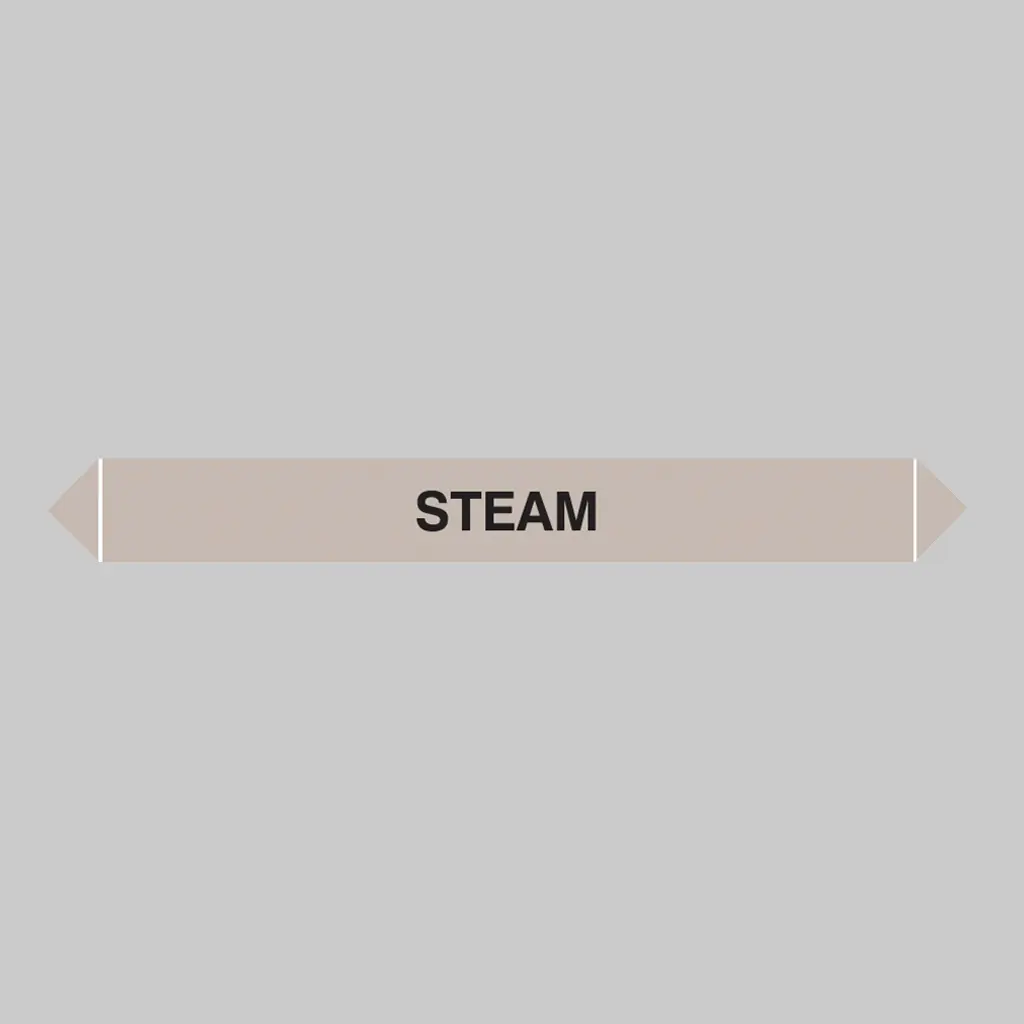
What is pipeline identification?
Pipeline identification is the process of clearly marking and labelling pipes, pipelines, and associated systems so that their contents, purpose, and flow direction can be easily recognised. It is an important part of workplace safety management, particularly in industrial environments where pipes may carry gases, liquids, steam, chemicals, fuels, or other substances that could present a risk if incorrectly identified.
Pipeline identification systems typically use colour coding, labels, text descriptions, and flow direction arrows to provide quick visual information about what a pipe contains and how materials move through the system. Clear identification helps employees, contractors, and maintenance teams understand pipe networks before carrying out inspections, repairs, or operational tasks.
Commonly identified pipelines include those carrying water, compressed air, gas, steam, chemicals, fuels, fire protection systems, and hazardous substances. In environments such as factories, laboratories, power facilities, processing plants, and commercial buildings, accurate pipe marking helps prevent mistakes that could lead to leaks, exposure to hazardous materials, equipment damage, or unsafe maintenance work.
Effective pipeline identification supports workplace safety by improving communication and reducing the risk of confusion during normal operations and emergencies. When designed and installed correctly, using recognised guidance such as BS 1710 where applicable, pipeline labels and markers provide a simple and reliable way to manage pipe systems and protect everyone working around them.
Why is pipeline identification important?
Pipeline identification is important because it provides clear information about the contents and purpose of pipes, helping employees, contractors, and maintenance teams understand potential risks and work safely. In industrial and commercial environments, pipelines may contain substances such as chemicals, gases, steam, fuels, or pressurised fluids that could cause injury, damage, or disruption if they are incorrectly identified.
Clear pipe marking helps prevent mistakes during operation, maintenance, repairs, and emergency situations. By using labels, colour coding, and flow direction arrows, workers can quickly identify what a pipeline contains and understand the direction in which materials are moving. This reduces the risk of accidental isolation of the wrong system, incorrect connections, chemical exposure, or other unsafe actions.
Pipeline identification is particularly important in industries such as manufacturing, engineering, utilities, food processing, laboratories, and energy facilities, where complex pipe networks are common. Well-marked pipelines improve communication between teams, support maintenance activities, and help contractors unfamiliar with a site understand important safety information before carrying out work.
Effective pipeline identification forms part of a wider workplace safety system that includes risk assessments, safe working procedures, training, and emergency planning. By keeping pipe labels clear, accurate, and maintained, organisations can improve safety, support regulatory compliance, and create a more organised and efficient working environment.
Are pipeline identification labels required by UK law?
Pipeline identification labels are not always specifically required by UK law for every type of pipe system, but employers have a legal responsibility to manage risks associated with pipelines and clearly communicate important safety information where necessary. Where unidentified or poorly marked pipes could create a risk to employees, contractors, or visitors, suitable identification should be provided as part of effective health and safety management.
The Health and Safety at Work etc. Act 1974 requires employers to protect the health and safety of people who may be affected by their activities. In addition, the Management of Health and Safety at Work Regulations 1999 require employers to assess workplace risks and implement appropriate control measures. Pipeline identification can form part of these measures by helping people understand the contents and hazards of pipe systems.
Where pipelines carry hazardous substances, additional regulations may apply. For example, the Control of Substances Hazardous to Health (COSHH) Regulations 2002 require employers to assess and control risks from hazardous substances, and clear identification of pipe contents can support safe handling, maintenance, and emergency response procedures. Other requirements may apply depending on the type of pipeline, such as systems containing pressure, gas, or dangerous materials.
Many organisations use recognised standards such as BS 1710 for pipeline identification, which provides guidance on colour coding, labels, and flow direction marking. While standards such as BS 1710 are generally guidance rather than legislation, following recognised practices helps ensure pipelines are clearly identified, improves workplace safety, and demonstrates a proactive approach to managing risks.
Caledonia Signs Expert Tip
Many businesses install the correct safety signs but overlook consistency. Using a mixture of old and new symbol designs can reduce recognition during an emergency. We recommend replacing outdated signage with current ISO 7010 compliant designs whenever signage is reviewed.
What information should be included on a pipeline identification label?
A pipeline identification label should provide clear information that allows people to quickly understand the contents, purpose, and potential risks associated with a pipe system. The exact information required will depend on the type of pipeline, the substances being carried, and the working environment, but effective identification should make pipe systems easy to recognise during normal operations, maintenance, and emergency situations.
Typical pipeline identification labels include the name or description of the pipe contents, such as water, steam, compressed air, gas, fuel, chemicals, or other substances. Where hazardous materials are involved, labels may also include relevant hazard information, warning symbols, or additional safety details to help users understand the risks associated with the contents.
Many pipe identification systems also include flow direction arrows to show the movement of liquids or gases through the pipeline. Colour coding is commonly used alongside text labels to provide quick visual recognition of different services. Using consistent colours, clear wording, and suitable label sizes helps ensure information can be understood from a safe distance.
For hazardous or complex systems, additional information may be required, such as chemical names, hazard classifications, pressure information, or emergency details. Pipeline identification should be designed and installed in line with recognised guidance, such as BS 1710, where applicable, to support clear communication and improve workplace safety.
Regular inspections should be carried out to ensure pipeline labels remain accurate, visible, and in good condition. Clear and well-maintained identification helps prevent mistakes, supports safer maintenance activities, and ensures that employees, contractors, and emergency responders can quickly understand pipe systems when it matters most.
Where should pipeline identification labels be placed?
Pipeline identification labels should be placed in locations where they are clearly visible and provide useful information to anyone who needs to understand the pipe system. Labels should be positioned so employees, contractors, and maintenance teams can identify the contents and purpose of a pipeline quickly during normal operations, inspections, repairs, or emergency situations.
Common locations for pipeline identification labels include near valves, joints, connections, branch points, changes in direction, entry and exit points, and areas where pipelines pass through walls, floors, or ceilings. Additional labels may be needed on long pipe runs to ensure that the contents and flow direction remain clear throughout the system.
Pipe markers should also be installed near areas where confusion could create a safety risk, such as equipment connections, isolation points, chemical storage areas, plant rooms, and maintenance access points. Flow direction arrows should be positioned alongside labels to clearly show the movement of liquids or gases through the pipe.
The frequency and placement of pipeline identification will depend on the complexity of the system, the substances being carried, and the risks identified through a suitable assessment. Following recognised guidance such as BS 1710 helps organisations create consistent pipe marking systems that improve safety, support maintenance activities, and reduce the risk of incorrect identification.
What types of pipes require identification?
Many different types of pipes require identification where knowing their contents is important for workplace safety, maintenance, and operational control. Clear pipeline identification helps employees, contractors, and emergency responders understand what substances are being carried and reduces the risk of mistakes when working around pipe systems.
Commonly identified pipes include those carrying water, compressed air, steam, gas, fuel, chemicals, process fluids, and fire protection systems. Pipes containing hazardous substances, flammable materials, toxic chemicals, corrosive liquids, or pressurised gases are particularly important to identify because incorrect handling could result in injury, exposure, equipment damage, or environmental harm.
Industrial facilities such as factories, laboratories, power plants, manufacturing sites, food processing facilities, warehouses, and utility buildings often have complex pipe networks that require clear identification. Even non-hazardous services may need marking where confusion between different systems could affect safety, maintenance activities, or normal operations.
The need for pipe identification should be determined through a suitable risk assessment and consideration of the workplace environment. Using recognised guidance such as BS 1710 for colour coding, labelling, and flow direction marking helps organisations create clear and consistent pipeline identification systems that improve safety and efficiency.
Looking for Safety Signs?
Caledonia Signs is one of the UK's leading trade-only manufacturers of safety signage, supplying an extensive network of distributors throughout the UK and overseas. If you're an end user looking to purchase safety signs, we'd still be delighted to help. Simply contact us with details of your requirements and we'll be happy to recommend a suitable distributor in your area. Interested in becoming a distributor? Contact our team to discuss opening a trade account and gaining access to our full product range, trade pricing and online ordering portal.
There are no products to list in this category.