
Information & Amenities Sign FAQs
Written by the Technical Team at Caledonia Signs
Last reviewed: July 2026
Welcome to the Caledonia Signs Information & Amenities Signs Knowledge Centre
Information and amenities safety signs play an important role in helping people navigate workplaces, public buildings, and commercial environments safely and efficiently. These signs provide clear guidance about the location of essential facilities, services, and safety resources, helping employees, visitors, contractors, and customers find what they need quickly. From toilets and reception areas to first aid points and emergency assembly locations, effective signage improves accessibility and organisation.
Understanding the purpose and requirements of information and amenities signs can raise many questions, including what types of information they communicate, which colours and symbols are used, where they should be displayed, and whether they are required by UK law. Businesses must consider the needs of building users, workplace layout, accessibility requirements, and any safety information that needs to be communicated when choosing suitable signage.
This page answers some of the most frequently asked questions about information and amenities safety signs, including UK regulations, BS EN ISO 7010 guidance, common sign types, colour meanings, symbols, placement, and best practices. Whether you manage an office, factory, warehouse, school, healthcare facility, retail premises, or public building, this guide provides practical information to help you select and use effective information signage.
Clear and well-positioned information and amenities signs form part of a safer, more welcoming, and accessible environment. By using recognised symbols where appropriate, keeping signs visible and up to date, and reviewing signage when facilities or layouts change, organisations can improve navigation, support safety procedures, and provide a better experience for everyone using their premises.
What are information and amenities safety signs?
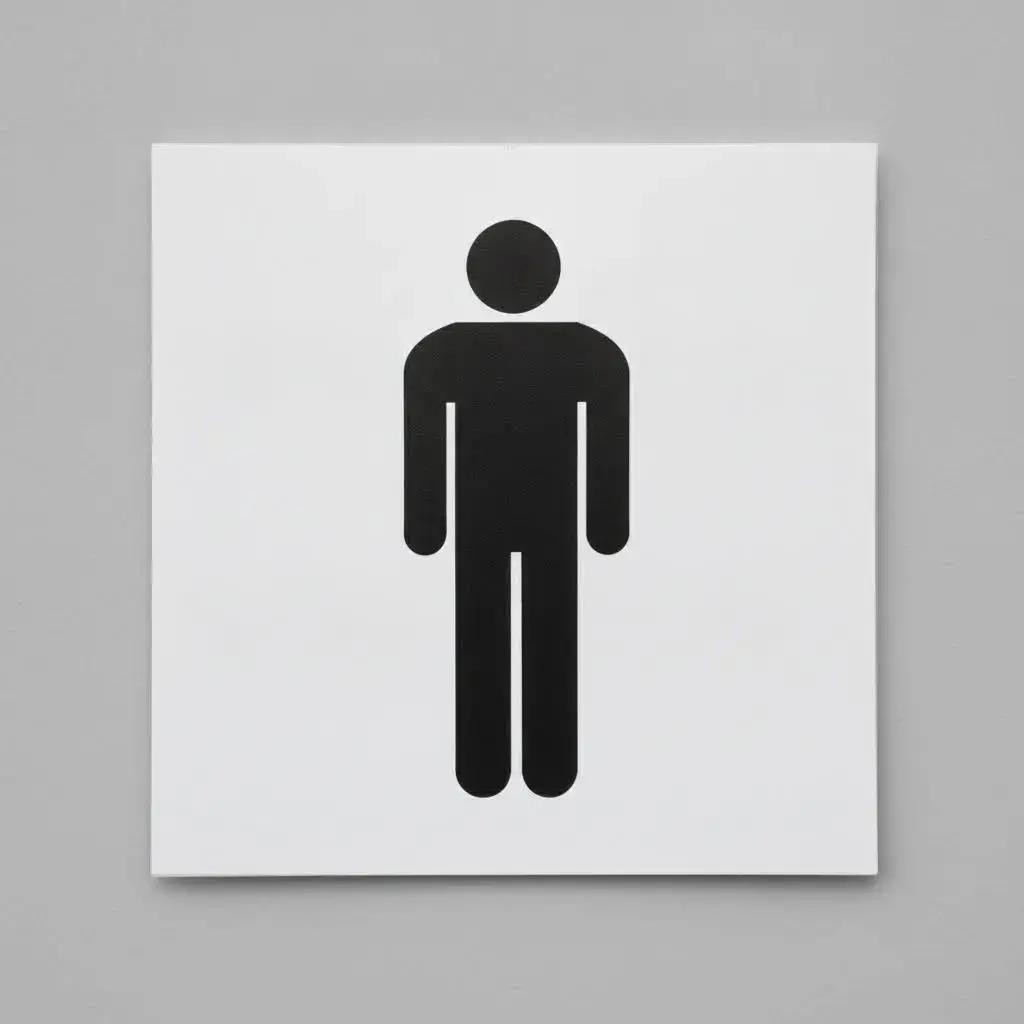
Information and amenities safety signs are signs that help people locate important facilities, services, and key areas within a workplace or public building. Rather than warning of hazards or instructing people to take a specific action, these signs provide clear guidance that improves navigation, accessibility, and the overall user experience. They help employees, contractors, visitors, and members of the public find essential amenities quickly and easily.
Common information and amenities signs include Reception, Toilets, Accessible Toilets, First Aid Room, Drinking Water, Baby Changing Facilities, Changing Rooms, Shower Facilities, Visitor Parking, and Emergency Assembly Point signs. They are widely used in offices, factories, warehouses, schools, hospitals, retail premises, leisure centres, and other commercial or public buildings where clear wayfinding is important.
Many information and amenities signs use simple, universally recognised pictograms to make them easy to understand, regardless of language. Where signs relate to emergency information, first aid, or escape routes, they should follow recognised standards such as BS EN ISO 7010, ensuring symbols are consistent and easily recognised. Other wayfinding and facility signs may use standard icons and clear text to improve navigation throughout a building.
Information and amenities safety signs contribute to a safer, more organised environment by reducing confusion and helping people quickly locate the facilities they need. When positioned in logical, highly visible locations and maintained in good condition, they support efficient movement around a site while reinforcing accessibility, convenience, and workplace safety.
Why are information and amenities signs important in the workplace?
Information and amenities signs are important in the workplace because they help employees, contractors, visitors, and customers quickly locate essential facilities and navigate around a site safely and efficiently. Clear signage reduces confusion, improves accessibility, and ensures that important areas such as reception, toilets, first aid rooms, emergency assembly points, and welfare facilities can be found without unnecessary delays.
Effective information signage also supports workplace safety by directing people to important services and emergency facilities when they are needed most. Signs identifying first aid rooms, emergency exits, assembly points, and accessible routes help people respond quickly in both everyday situations and emergencies. Clear wayfinding can also reduce congestion and minimise the risk of people entering unsuitable or restricted areas.
Amenities signs improve the overall experience for employees and visitors by making workplaces easier to navigate. Signs for facilities such as drinking water, washrooms, changing rooms, baby changing facilities, and visitor parking help create a more organised and welcoming environment while supporting employee wellbeing and accessibility.
When correctly positioned and maintained, information and amenities signs contribute to a safer, more efficient workplace. Using clear symbols, consistent designs, and recognised standards such as BS EN ISO 7010 where applicable helps ensure important information is easy to understand, regardless of language or familiarity with the site.
What colours and symbols are used on information and amenities signs?
Information and amenities signs use colours and symbols that are designed to be easy to recognise and understand. The exact colour scheme depends on the purpose of the sign, but most workplace and public facility signs use clear, high-contrast designs to improve visibility and wayfinding. Consistent colours and pictograms help employees, visitors, and contractors quickly identify important facilities and services.
Many general information and amenities signs use white symbols or text on a blue background. This colour combination is commonly used for wayfinding and facility identification, including signs for Reception, Toilets, Accessible Toilets, Parking, Drinking Water, and other welfare facilities. The blue background helps distinguish these signs from warning, prohibition, and mandatory safety signs while making them easy to spot.
Where information signs relate to emergency facilities, escape routes, or first aid, they often use white symbols on a green background in line with BS EN ISO 7010. Examples include First Aid Room, Emergency Exit, Emergency Escape Route, and Assembly Point signs. The green colour indicates a safe condition or emergency assistance location and is internationally recognised for safety information.
The symbols used on information and amenities signs are simple pictograms designed to be understood regardless of language. Common examples include toilet symbols, wheelchair accessibility symbols, drinking water symbols, first aid crosses, emergency assembly point symbols, and directional arrows. Using clear, standardised symbols and appropriate colours helps improve navigation, accessibility, and workplace safety while ensuring important information can be understood quickly by everyone.
Caledonia Signs Expert Tip: Position Signs Where People Naturally Look for Guidance
Information and amenities signs are most effective when they are placed at decision points, such as building entrances, reception areas, corridors, junctions, stairwells, and lift lobbies. Clear, well-positioned signs help employees, visitors, and contractors find facilities quickly without confusion, improving both safety and the overall visitor experience.
Use simple, easy-to-read text with recognised pictograms, and where applicable, choose BS EN ISO 7010-compliant symbols for first aid, emergency escape routes, and other safety-related information. Regularly check that signs remain visible, unobstructed, and up to date, especially after changes to building layouts or facilities. Clear wayfinding signage saves time, improves accessibility, and helps people reach important amenities quickly and confidently.
What types of information do amenities safety signs communicate?
Amenities safety signs communicate information that helps people locate essential facilities, welfare provisions, and important services within a workplace or public building. Unlike warning or mandatory signs, their primary purpose is to provide guidance and improve navigation rather than identify hazards or instruct people to take specific safety actions. Clear amenities signage helps employees, contractors, visitors, and customers find key facilities quickly and easily.
Common information communicated by amenities signs includes the location of toilets, accessible toilets, baby changing facilities, changing rooms, showers, drinking water, reception, waiting areas, visitor parking, and canteens. These signs improve the user experience by directing people to facilities that support comfort, accessibility, and day-to-day workplace operations.
Amenities signage may also identify important health and safety facilities such as first aid rooms, defibrillators (AEDs), emergency assembly points, and emergency exits. These signs help ensure that essential safety resources can be located quickly during both routine activities and emergency situations. Where applicable, they should use recognised symbols in accordance with BS EN ISO 7010.
By providing clear directions and easily recognised pictograms, amenities safety signs reduce confusion, improve accessibility, and help people move confidently around a building or site. When correctly positioned and maintained, they contribute to a more organised, efficient, and welcoming environment while supporting workplace safety and compliance.
Are information safety signs required by UK law?
Information safety signs are required by UK law in certain situations where they are needed to communicate important safety information and help protect people in the workplace. However, not all general information or amenity signs are legally required. The need for a sign depends on the type of information being communicated, the risks present, and the findings of a suitable workplace risk assessment.
The main legislation covering workplace safety signage is the Health and Safety (Safety Signs and Signals) Regulations 1996. These regulations require employers to use appropriate safety signs where risks cannot be adequately controlled by other means. Examples include signs identifying first aid facilities, emergency escape routes, fire exits, and emergency assembly points, where clear information is essential for protecting health and safety.
General amenity signs, such as toilet signs, reception signs, meeting room signs, and facility direction signs, are not usually a legal requirement. However, they are considered good practice because they improve navigation, accessibility, and the overall workplace experience. Clear wayfinding can be particularly important in larger buildings, workplaces open to the public, or environments where visitors may be unfamiliar with the layout.
Businesses should ensure that any required safety information signs are clearly visible, correctly positioned, and maintained in good condition. Using recognised symbols and standards such as BS EN ISO 7010 where applicable helps ensure safety messages are understood quickly and consistently, supporting a safer and more organised workplace.
Do information and amenities signs need to comply with BS EN ISO 7010?
Information and amenities signs do not always need to comply with BS EN ISO 7010, as this standard mainly applies to safety signs that communicate hazards, mandatory actions, prohibitions, safe conditions, and emergency information. General facility and wayfinding signs, such as toilet signs, reception signs, or directional signs, are not normally required to follow ISO 7010 unless they relate directly to workplace safety.
Where information signs communicate important safety information, BS EN ISO 7010 should be considered to ensure symbols are clear, consistent, and easily recognised. Examples include first aid signs, emergency assembly point signs, emergency exit signs, and other safety-related location signs. These signs use internationally recognised pictograms to help people understand safety information quickly, regardless of language.
General amenities signs may use different designs, colours, and symbols depending on the building, organisation, and purpose of the sign. Signs identifying facilities such as toilets, changing rooms, drinking water points, reception areas, and visitor facilities should still be clear, easy to read, and accessible to everyone using the building.
The key consideration is that the sign must effectively communicate its intended message. Safety-related information signs should follow recognised standards such as BS EN ISO 7010 where applicable, while general amenities and wayfinding signs should focus on visibility, consistency, and ease of understanding. Correctly designed and positioned signage helps create safer, more accessible, and better-organised workplaces.
Looking for Safety Signs?
Caledonia Signs is one of the UK's leading trade-only manufacturers of safety signage, supplying an extensive network of distributors throughout the UK and overseas. If you're an end user looking to purchase safety signs, we'd still be delighted to help. Simply contact us with details of your requirements and we'll be happy to recommend a suitable distributor in your area. Interested in becoming a distributor? Contact our team to discuss opening a trade account and gaining access to our full product range, trade pricing and online ordering portal.
There are no products to list in this category.