
Hazard Signs FAQs
Written by the Technical Team at Caledonia Signs
Last reviewed: July 2026
Welcome to the Caledonia Signs Hazard Signs Knowledge Centre
Hazard safety signs are an essential part of workplace safety communication, helping to identify potential dangers and provide clear warnings before accidents occur. From chemical and electrical hazards to machinery risks, slippery surfaces, and workplace vehicles, effective hazard signage helps employees, contractors, and visitors understand the risks present and take appropriate precautions.
Understanding hazard safety signs can raise many questions, including what the signs mean, when they are legally required, which regulations apply, and how they should be used in different working environments. Businesses need to consider factors such as workplace activities, risk assessments, hazard types, sign placement, and the people who may be exposed to risks when selecting suitable safety signage.
This page answers some of the most frequently asked questions about hazard safety signs, including UK regulations, BS EN ISO 7010 standards, GHS chemical hazard symbols, workplace applications, sign colours, common hazard types, and best practices for combining safety messages. Whether you manage a factory, warehouse, construction site, laboratory, office, or commercial facility, this guide provides practical information to help you choose and use effective hazard signage.
Clear and compliant hazard safety signs are an important part of a wider health and safety strategy that includes risk assessments, training, safe working procedures, and appropriate control measures. By displaying the correct signs in the right locations and maintaining them properly, businesses can improve hazard awareness, reduce unsafe behaviour, and create safer workplaces for everyone.
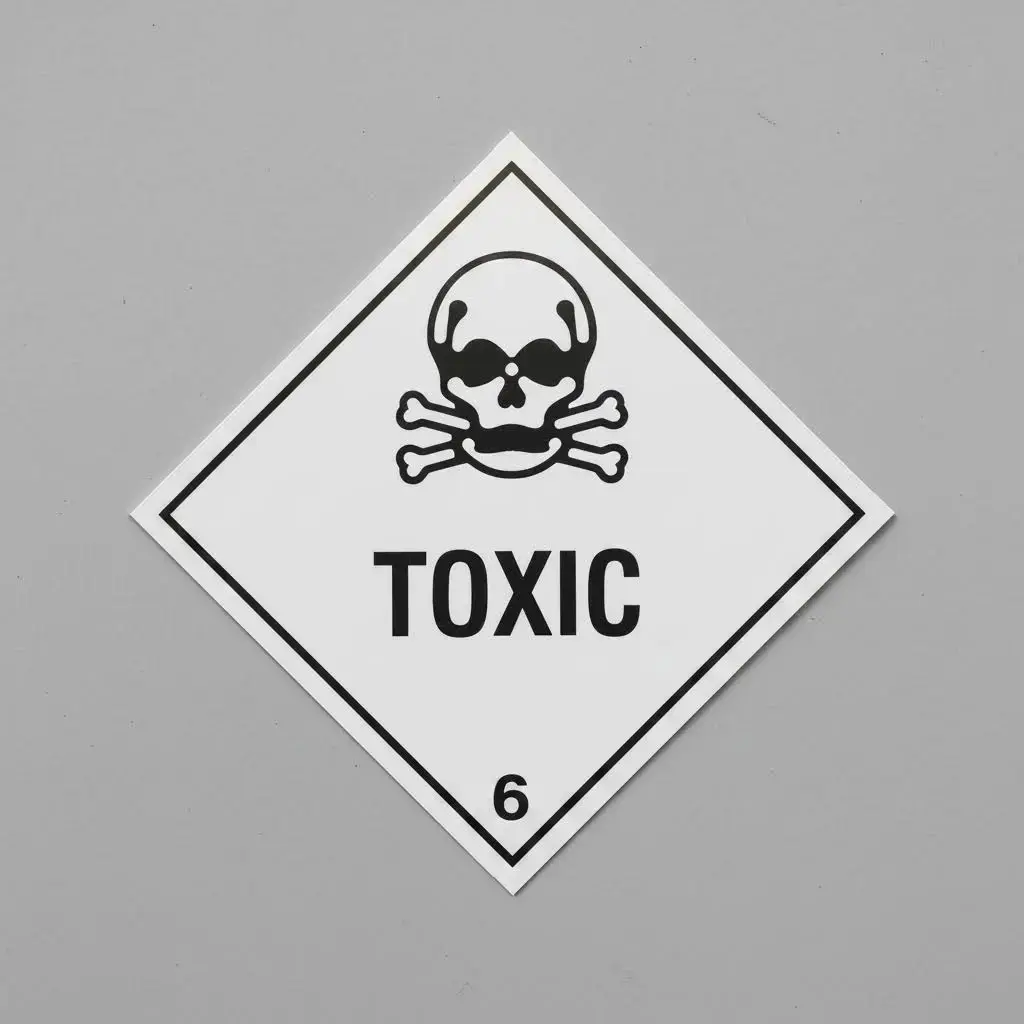
What are hazard safety signs?
Hazard safety signs are signs used to identify and communicate potential risks that could cause injury, illness, or damage in a workplace or public environment. Their purpose is to make people aware of hazards before they enter an area, use equipment, or carry out a task. By providing clear visual warnings, hazard signs help employees, visitors, and contractors understand risks and take appropriate precautions.
Hazard safety signs are commonly used to highlight dangers such as electrical hazards, chemicals, flammable materials, moving machinery, slippery surfaces, biological risks, and vehicle movements. They can be found in a wide range of environments, including factories, warehouses, construction sites, laboratories, offices, healthcare facilities, and public buildings where hazards need to be clearly identified.
Many hazard and warning safety signs follow recognised standards such as BS EN ISO 7010, which provides consistent safety symbols and pictograms that are easily understood across different workplaces and languages. Warning signs are typically displayed as a yellow triangle with a black border and black symbol, allowing people to quickly recognise that a hazard may be present.
Effective hazard safety signage is an important part of a wider workplace safety system that includes risk assessments, training, safe working procedures, and other control measures. When correctly selected, positioned, and maintained, hazard signs help improve awareness, reduce unsafe behaviour, and create a safer environment for everyone.
What are GHS hazard symbols?
GHS hazard symbols are internationally recognised pictograms used to communicate the dangers associated with chemicals and hazardous substances. GHS stands for the Globally Harmonized System of Classification and Labelling of Chemicals, which provides a consistent way of identifying chemical hazards and helping people understand the risks before handling, storing, or using a substance.
GHS symbols are displayed as black pictograms inside a red diamond-shaped border on a white background. Each symbol represents a specific type of chemical hazard, allowing workers, emergency responders, and others to quickly identify potential dangers. The system is designed to improve safety by providing clear hazard information regardless of language or location.
Common GHS hazard symbols include the flame symbol for flammable substances, the skull and crossbones for acute toxicity, the corrosion symbol for corrosive materials, the exclamation mark for harmful or irritating substances, and the health hazard symbol for serious long-term health risks. Other symbols identify hazards such as oxidising substances, gases under pressure, explosives, environmental hazards, and substances that can cause serious health effects.
In the UK, GHS hazard symbols are used as part of the GB CLP Regulation (Classification, Labelling and Packaging of substances and mixtures), which requires hazardous chemicals to be correctly classified and labelled. Using the correct GHS symbols on containers, storage areas, and safety information helps ensure that people understand chemical risks and take appropriate precautions to work safely.
Why are hazard safety signs important in the workplace?
Hazard safety signs are important in the workplace because they provide clear warnings about potential risks and help people recognise dangers before an accident occurs. They alert employees, contractors, and visitors to hazards such as chemicals, machinery, electrical equipment, vehicles, slippery surfaces, and other workplace risks. By improving hazard awareness, safety signs help people make safer decisions and take appropriate precautions.
In busy workplaces such as factories, warehouses, construction sites, laboratories, and commercial buildings, hazards may not always be immediately obvious. Hazard safety signs provide a quick visual reminder of risks in specific areas, helping to prevent unsafe actions and reduce the likelihood of injuries. Standardised symbols and colours allow important safety information to be understood quickly, even where language barriers exist.
Hazard signs also support employers in meeting their health and safety responsibilities by forming part of a wider risk management system. In the UK, safety signage is used alongside risk assessments, employee training, safe working procedures, and other control measures to help manage hazards effectively. Standards such as BS EN ISO 7010 help ensure safety symbols are consistent and easily recognised.
While hazard safety signs do not remove risks on their own, they are an essential tool for communicating dangers and reinforcing safe behaviour. When correctly selected, positioned, and maintained, hazard signs help create safer workplaces by ensuring everyone understands the risks present and the precautions required.
Caledonia Signs Expert Tip: Act Before People Are Exposed to the Risk
The most effective hazard safety signs are displayed before people reach the hazard, giving employees, visitors, and contractors time to recognise the risk and take appropriate precautions. For example, place chemical hazard signs at storage areas, electrical warning signs near electrical risks, and machinery hazard signs at access points before someone enters the danger zone.
Are hazard safety signs required by UK law?
Hazard safety signs can be a legal requirement in the UK where they are needed to communicate risks that cannot be adequately controlled by other means. Employers have a responsibility to identify workplace hazards, assess risks, and provide suitable information, instruction, and warnings to protect employees, contractors, and visitors. Where a hazard remains present, appropriate safety signage may be required to highlight the danger.
The main legislation covering workplace safety signs is the Health and Safety (Safety Signs and Signals) Regulations 1996. These regulations require employers to use safety signs where there is a significant risk to health and safety that cannot be avoided or controlled through other measures. The type of sign used should be appropriate to the hazard identified through a suitable risk assessment.
Hazard safety signs are commonly used to identify risks such as chemicals, electrical hazards, flammable materials, moving machinery, slippery surfaces, vehicle routes, and other workplace dangers. Many warning signs follow recognised standards such as BS EN ISO 7010, using consistent symbols and colours to ensure hazards are quickly understood. For example, warning signs typically use a yellow triangle with a black border and black pictogram.
Although hazard signs are an important part of workplace safety management, they should not be relied on as the only control measure. Effective hazard prevention combines clear signage with risk assessments, training, safe systems of work, maintenance, and appropriate protective equipment. Correctly selected and displayed hazard safety signs help businesses meet their safety responsibilities and reduce the risk of accidents.
What regulations apply to hazard safety signs in the UK?
In the UK, hazard safety signs are primarily covered by the Health and Safety (Safety Signs and Signals) Regulations 1996. These regulations require employers to provide appropriate safety signs where risks cannot be avoided or adequately controlled through other safety measures. The purpose of hazard signage is to ensure that employees, contractors, and visitors are clearly informed about workplace dangers and the precautions they need to take.
Employers must assess workplace risks and determine whether safety signs are required as part of their overall health and safety arrangements. Hazard signs may be needed for risks such as chemicals, electrical equipment, machinery, vehicles, flammable materials, biological hazards, or other dangerous conditions. The signs used should be suitable for the hazard and positioned where they can be seen before people are exposed to the risk.
Many hazard and warning safety signs follow the principles of BS EN ISO 7010, which provides standardised safety symbols and pictograms for consistent hazard communication. Warning signs typically feature a yellow triangular background with a black border and black pictogram, making them easily recognisable across different workplaces and industries.
Where hazardous substances are involved, additional regulations may apply, including the GB CLP Regulation (Classification, Labelling and Packaging), which governs the classification and labelling of chemical hazards using GHS hazard symbols. Businesses handling chemicals may also need to consider requirements under COSHH (Control of Substances Hazardous to Health) Regulations 2002 to manage exposure risks.
Compliance with safety sign regulations requires more than simply displaying signs. Businesses should ensure signage is correctly selected, clearly visible, maintained in good condition, and supported by appropriate training, risk assessments, and safe working procedures. Effective hazard safety signs are an important part of a wider workplace safety strategy.
Can hazard safety signs be combined with other safety messages?
Yes, hazard safety signs can be combined with other safety messages where this helps communicate important information clearly and effectively. Combining messages can be useful in workplaces where several safety instructions apply in the same location, helping to reduce sign clutter while ensuring that people understand the risks and required actions.
For example, a hazard sign warning of a chemical risk may be displayed alongside a mandatory PPE message such as Wear Protective Gloves or Wear Eye Protection. Similarly, a machinery hazard warning sign may be combined with instructions requiring specific safety precautions before entering or operating equipment. These combined messages help provide a complete safety message by explaining both the hazard present and the action needed to stay safe.
When combining safety messages, signs should remain clear, easy to understand, and compliant with relevant standards. Hazard warning symbols should follow recognised guidance such as BS EN ISO 7010 where applicable, while mandatory, prohibition, and information signs should retain their correct colours and symbols. The design should avoid overcrowding or presenting too much information, as this can reduce the impact of the safety message.
Multi-message safety signs are particularly useful in factories, warehouses, construction sites, laboratories, and other environments where multiple hazards or safety requirements exist. When carefully designed and correctly positioned, combined safety signage helps improve hazard awareness, reinforces safe working practices, and provides clear instructions to employees, contractors, and visitors.
Looking for Safety Signs?
Caledonia Signs is one of the UK's leading trade-only manufacturers of safety signage, supplying an extensive network of distributors throughout the UK and overseas. If you're an end user looking to purchase safety signs, we'd still be delighted to help. Simply contact us with details of your requirements and we'll be happy to recommend a suitable distributor in your area. Interested in becoming a distributor? Contact our team to discuss opening a trade account and gaining access to our full product range, trade pricing and online ordering portal.
There are no products to list in this category.