Spring is one of the most demanding and high-risk periods in the agricultural and forestry calendar. As the days lengthen and the weather improves, activity increases rapidly across farms, estates, and woodland sites. Machinery returns to full operation, livestock are moved more frequently, contractors arrive to support seasonal workloads, and public access across rural land rises significantly.
With this surge in activity comes a corresponding rise in risk. More vehicles, more people, and more tasks being carried out simultaneously create an environment where clear communication is critical. Spring therefore presents the ideal opportunity to review and upgrade safety signage across your land, ensuring it remains visible, compliant, and effective. Clear signage is not simply a best practice; it is a legal requirement. Duty holders must meet their obligations under the Health and Safety (Safety Signs and Signals) Regulations 1996 and follow wider guidance from the Health and Safety Executive. Effective safety signs form a key part of demonstrating compliance and proactive risk management.
Farmland and forestry safety signs exist to communicate essential health and safety information quickly and clearly. In environments where heavy machinery operates, livestock behave unpredictably, and terrain can be uneven or hazardous, there is no room for ambiguity. Signs must immediately convey what the hazard is and what action is required.
Across farms and woodland sites, signage plays a continuous role in guiding behaviour. At entrances, gates, and site boundaries, signs establish the rules before anyone steps onto the land. They inform visitors of potential dangers, restricted access areas, biosecurity measures, and required protective equipment. In agricultural and forestry environments, safety signs serve several core purposes. They highlight hazards, identify prohibited activities, and specify mandatory requirements such as wearing personal protective equipment (PPE). Each sign contributes to a layered approach to risk control.
Compliance with ISO 7010 is particularly important in rural workplaces. This internationally recognised standard provides a consistent system of symbols, shapes, and colours that communicate safety information instantly, without relying heavily on text. The value of ISO 7010 lies in its clarity and universality. Farms and forestry sites often employ seasonal staff, contractors, and visitors from diverse backgrounds. Standardised pictograms help overcome language barriers, ensuring that hazards and required actions are understood at a glance. Using ISO-compliant signage also strengthens legal compliance and professional standards. Many health and safety frameworks reference ISO standards, and adopting them demonstrates a clear commitment to structured, effective safety management.
Consistency across sites improves more than compliance. When signage is uniform across farms, estates, and forestry operations, emergency responses become more efficient, training requirements are reduced, and expectations are clearer for everyone working on or visiting the land.
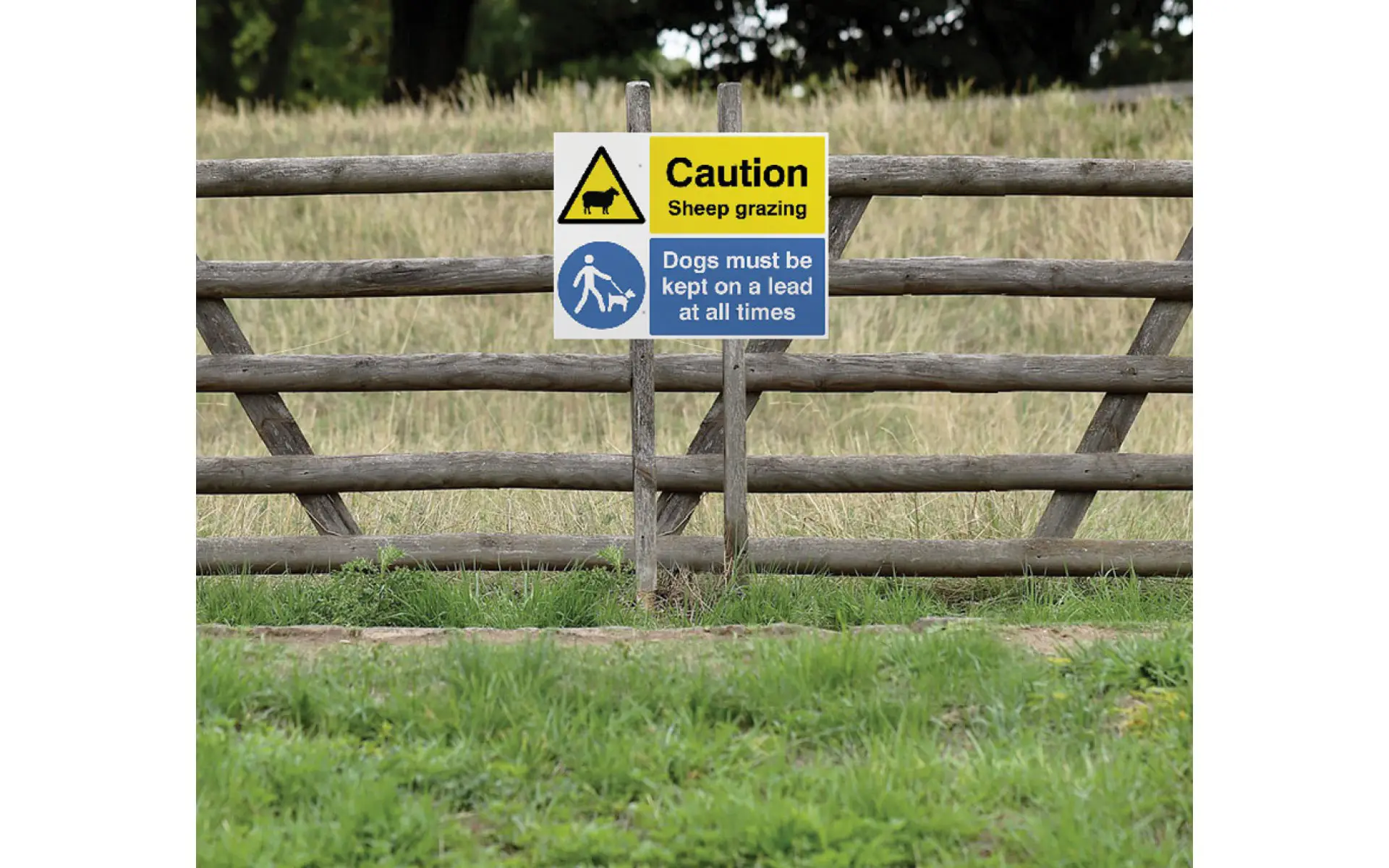
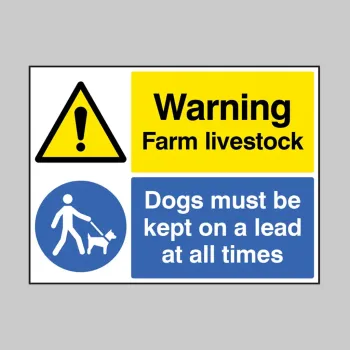
Multi-message warning and mandatory signs are particularly valuable in spring, when multiple hazards may be present at once. A single board can communicate machinery risks, livestock warnings, PPE requirements, and access restrictions in one clear, visible location. These signs are not only for workers. Public rights of way frequently cross agricultural land, and visitors may be unaware of operational risks. Clear signage helps protect members of the public, safeguarding both them and the farm business.
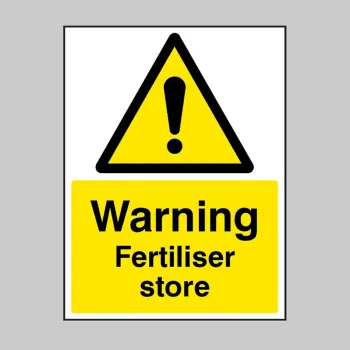
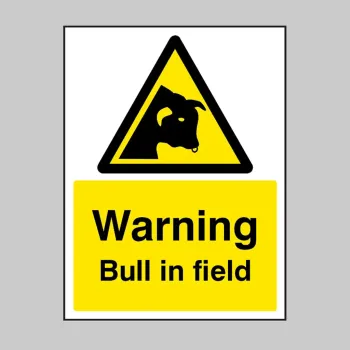
Well-designed warning signs draw immediate attention to potential dangers. Whether placed on farms, private estates, forestry operations, or rural construction areas, high-visibility signage raises awareness and reduces the likelihood of preventable accidents.
PPE signage plays a particularly important role at entrances to workshops, chemical stores, grain handling areas, and active forestry zones. Clear, compliant instructions ensure that protective equipment requirements are understood before work begins.
Mandatory and prohibition signs work together to guide safe behaviour. By clearly stating required actions and forbidden activities, they help prevent unsafe shortcuts and reinforce safe operation around machinery, animals, and hazardous environments.
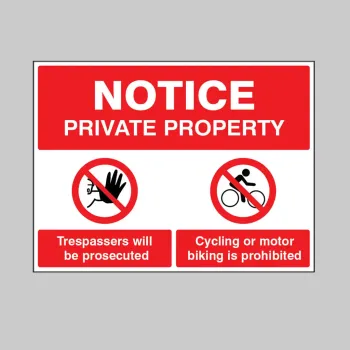
Security signage has also become increasingly important in rural settings. With machinery theft and rural crime on the rise, clearly displayed CCTV warning signs signal that a site is actively monitored and protected. Visible security signage acts as a powerful deterrent. It communicates vigilance, discourages trespassers and potential thieves, and reinforces the message that safety and security are taken seriously across the premises.
Operational signage contributes to a more organised and efficient farm environment. Clear parking instructions, traffic flow guidance, and designated delivery points reduce congestion and minimise confusion during busy seasonal periods. Equally important are signs that clearly identify welfare and amenity areas. Marking wash stations, rest facilities, and first aid points ensures that workers can easily locate essential services, improving both efficiency and wellbeing.
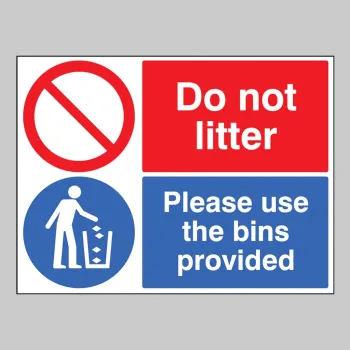
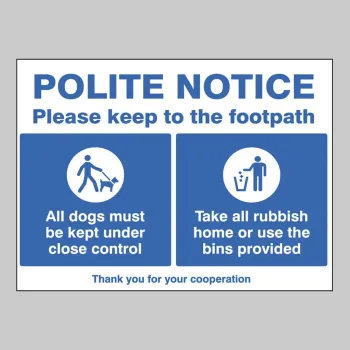
Litter signage plays a quieter but equally vital role. Discarded waste can pose a serious threat to livestock and wildlife, as well as damage the appearance and reputation of rural land. Encouraging responsible behaviour through clear litter notices helps protect animals from injury and ingestion risks. It also reduces the time and cost associated with waste removal and land maintenance.
As daylight hours extend into evening work, visibility becomes another key consideration. Safety signage must remain effective in low-light or shaded woodland environments. Class C photoluminescent materials offer an additional layer of protection. These glow-in-the-dark signs absorb natural or artificial light during the day and re-emit it in darkness, ensuring critical messages remain visible after sunset. Photoluminescent signage reinforces instructions in dull or darker environments, maintaining awareness around the clock. In busy spring conditions, when work often begins early and finishes late, this extended visibility can make a meaningful difference.
Ultimately, safety signage is far more than a regulatory formality. It is a practical, visible commitment to protecting workers, visitors, livestock, and assets. By reviewing and upgrading signage each spring, farms and forestry operations strengthen compliance, reduce risk, and build safer, more resilient rural workplaces for the year ahead.
If you need safety signs for your farming, forestry, or agricultural site, our team is here to help. At Caledonia Signs, we work with a trusted network of distributors across the UK to ensure you receive the right products quickly and efficiently.
Simply call us on 01592 655646, and we’ll connect you with one of our authorised distributors in your area. They’ll be able to advise you on the most suitable signage for your site, whether you require warning signs, mandatory PPE notices, security signage, or multi-message safety boards.
With expert guidance and access to high-quality, compliant signage, you can ensure your land remains safe, organised, and legally compliant throughout the year.