HSE annual statistics reveal rising mental health challenges
Mental Health Awareness Week 2026 (11–17 May): Creating Healthier, Safer Workplaces
The Health and Safety Executive (HSE) has released its annual statistics on work-related ill health and workplace injuries for 2024/25, offering a clear snapshot of the challenges facing workers across the UK. The figures show that an estimated 1.9 million people experienced work-related ill health during the past year — a number that has remained broadly consistent but still reflects the ongoing pressures within modern workplaces. Although these rates have stabilised, they continue to sit above pre-pandemic levels recorded in 2018/19, signalling that the long-term effects on workforce wellbeing are still very present.
Mental health remains the most significant driver of work-related ill health, with 964,000 workers reporting stress, depression, or anxiety caused or made worse by their job. This ongoing trend highlights the growing need for employers to treat mental wellbeing with the same importance as physical safety. With an estimated 40.1 million working days lost in 2024/25 due to work-related ill health and injuries, the impact on productivity, morale, and organisational stability is substantial.
Despite these challenges, the UK continues to be one of the safest countries in the world to work, thanks to more than 50 years of established health and safety regulation. However, the latest statistics make it clear that improving mental health in the workplace must remain a priority.
At Caledonia Signs, we take great pride in providing safety-critical signage and developing products that help businesses create safer working environments. Around a decade ago, we recognised the growing importance of mental health and wellbeing within the workplace and became one of the first safety sign companies to introduce a dedicated range of mental health awareness posters and signage.
We are pleased to see demand for these products continue to grow year after year — a positive indication that businesses across the UK are taking mental health and employee wellbeing increasingly seriously.
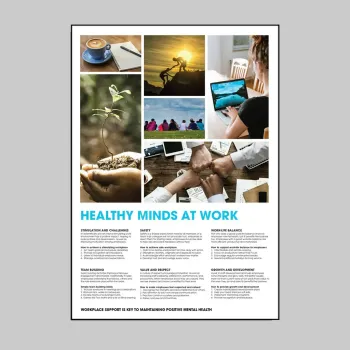
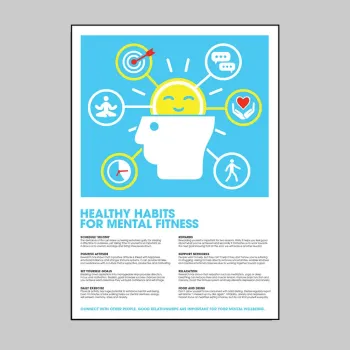
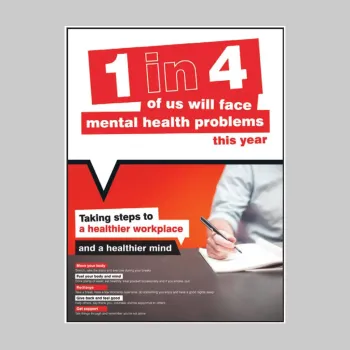
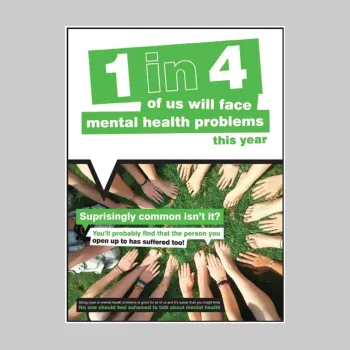
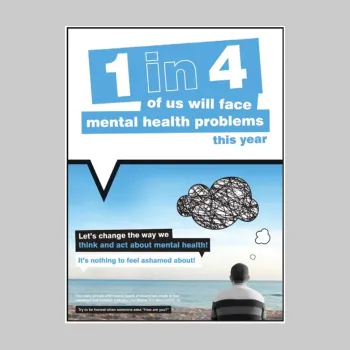
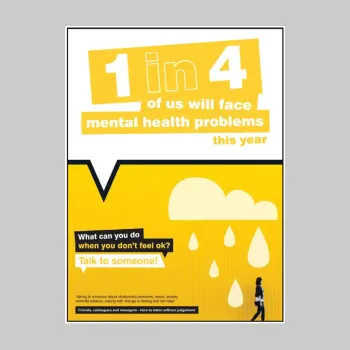
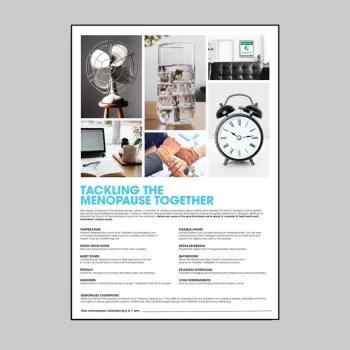
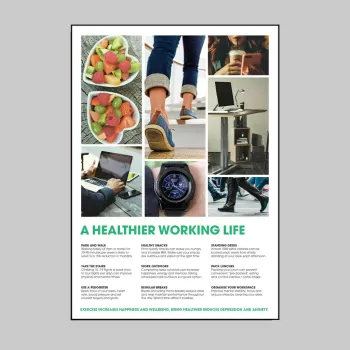
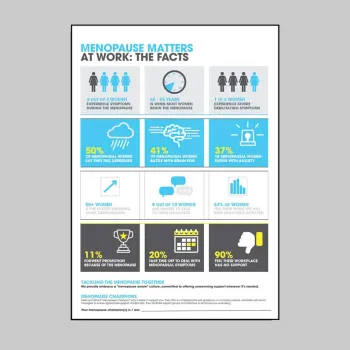
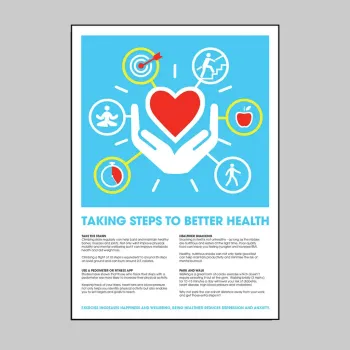
Visible reminders and awareness materials can play an important role in creating supportive workplace cultures. Mental health and wellbeing posters such as “Healthy Minds at Work”, “Healthy Habits for Mental Fitness”, and “Taking Steps to a Healthier Workplace” help normalise conversations around mental health, reduce stigma, and reinforce the message that psychological wellbeing is an essential part of workplace safety.
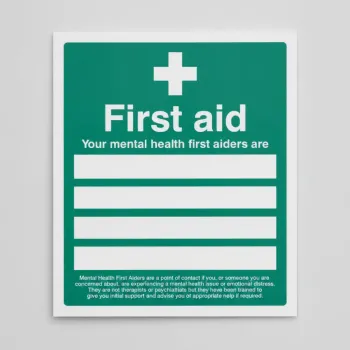
However, awareness campaigns and posters alone are not enough. To create real, lasting change, organisations must support these messages with meaningful action. This includes training managers to recognise and respond to signs of stress, depression, or anxiety; offering access to counselling services or mental health first aiders; and integrating supportive wellbeing policies into everyday working life.
Team building activities and wellbeing initiatives can also make a meaningful difference by helping employees connect, decompress, and strengthen relationships in a more relaxed environment. These opportunities help reduce feelings of isolation, build trust, and encourage a stronger sense of belonging — all of which are vital for positive mental wellbeing.
When employers create natural, supportive opportunities for employees to talk openly about stress, anxiety, or broader wellbeing concerns, people are more likely to recognise early signs of strain in themselves and others. Combined with practical support, this proactive approach helps prevent issues from escalating. Early intervention remains one of the most effective ways to reduce long-term absence and prevent short-term stress from developing into more serious health problems.
A genuinely supportive workplace culture — one where mental health is visible, valued, and backed by meaningful action — can significantly reduce the likelihood of employees reaching crisis point. Workers who feel understood and supported are often more engaged, less anxious about raising concerns, and better equipped to manage everyday pressures. This leads not only to fewer stress-related absences but also to quicker recovery times when time off is needed.
Flexible working options can further strengthen this supportive environment. Adjusted hours, hybrid working, remote arrangements, or compressed workweeks give employees greater control over balancing their professional and personal responsibilities. When people feel trusted to manage their time effectively, both wellbeing and productivity can improve.
As we support Mental Health Awareness Week 2026, we encourage businesses to make use of the excellent information and support available from organisations such as the Mental Health Foundation, Mind, and Mental Health UK.
Because workplace safety is not only about preventing accidents — it is also about creating an environment where people feel supported, heard, and able to talk openly.
As this year’s theme reminds us: Every Action Counts.
Our range of mental health and wellbeing posters and products is available through trade partners across the UK. If you are interested in becoming a reseller, we would be delighted to hear from you.
To read the full HSE article and access related campaigns and resources, please visit the HSE website.
#MentalHealthAwarenessWeek #MentalHealthMatters #WorkplaceWellbeing #HealthAndSafety #SafetySigns #MentalHealth #EmployeeWellbeing #CaledoniaSigns