Understanding Construction Site Safety Signs: A Complete Guide
Construction sites are dynamic, high-risk environments where effective communication is critical. With heavy machinery in operation, materials being moved, work at height taking place, and multiple trades working simultaneously, the potential for hazards is constant. One of the most important tools used to manage these risks is clear and consistent safety signage.
Construction site safety signs are designed to communicate essential health and safety information quickly and effectively. They highlight hazards, outline mandatory requirements, prohibit unsafe behaviour, and provide direction. These signs are not optional guidance — they are a vital part of site safety management. Ignoring them can result in disciplinary action, removal from site, loss of employment, serious injury, or even fatal consequences.
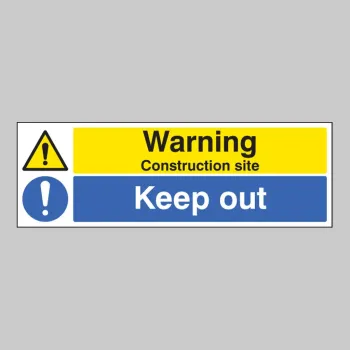
Safety signage appears in many forms and locations across a construction site. Large safety boards are typically positioned at site entrances and along perimeter hoarding to inform workers and visitors of the rules before they enter. Throughout the site, additional signs provide specific warnings and instructions relevant to particular areas or activities. To avoid clutter and confusion, several key messages are often combined onto multi-message safety boards, ensuring information remains clear, visible, and easy to understand.
Warning Signs
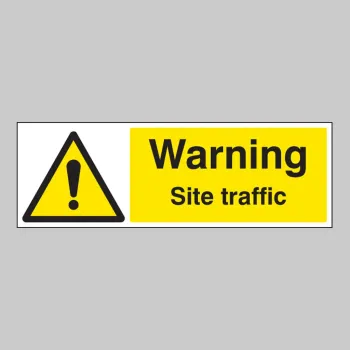
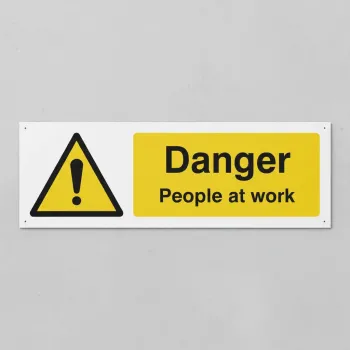
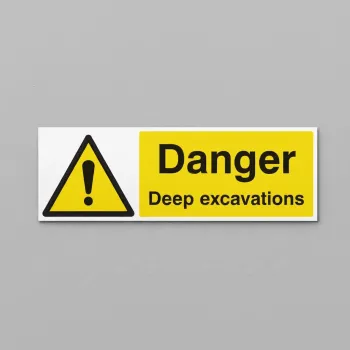
Warning signs are used to alert individuals to potential hazards or dangerous conditions. These signs are easily recognisable by their yellow background, triangular shape, and black symbols. Their purpose is to draw attention to risks that may not be immediately obvious.
On a construction site, warning signs may indicate deep excavations, overhead cables, fragile roofs, moving plant machinery, or slippery surfaces. Because site conditions change frequently, workers should never assume that yesterday’s safe route remains safe today. Warning signs act as constant reminders to stay alert and assess surroundings carefully.
Prohibition Signs
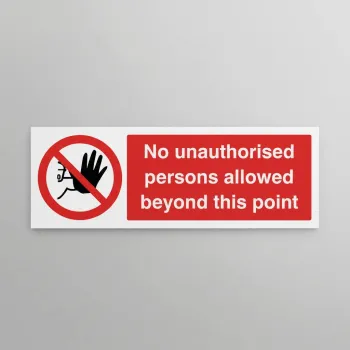
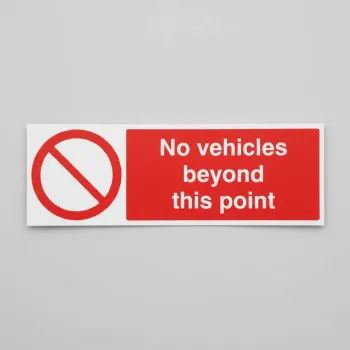
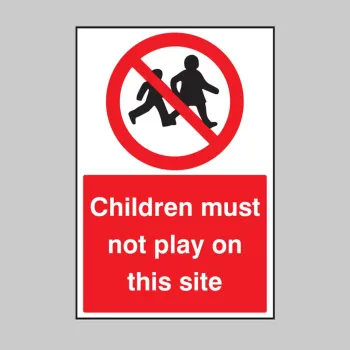
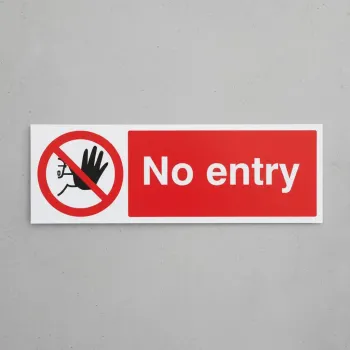
Prohibition signs are designed to stop unsafe behaviour before it leads to an incident. These signs are typically displayed as red circles with a diagonal line across a black symbol. Their message is clear: the indicated action is not allowed.
Common examples include “No unauthorised entry,” “No smoking,” “No naked flames,” or “No pedestrians.” These restrictions are often in place to control fire risks, protect the public, or prevent access to hazardous work areas. Failing to comply with prohibition signage can significantly increase the risk of accidents and may result in disciplinary measures.
Mandatory Signs and PPE Requirements
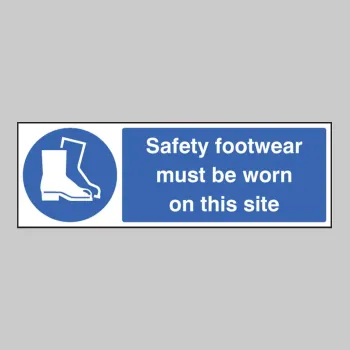
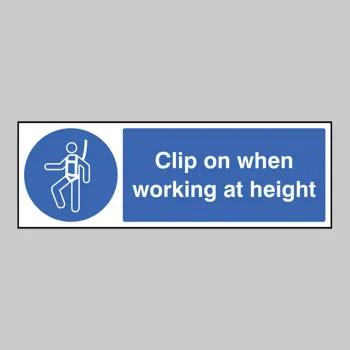
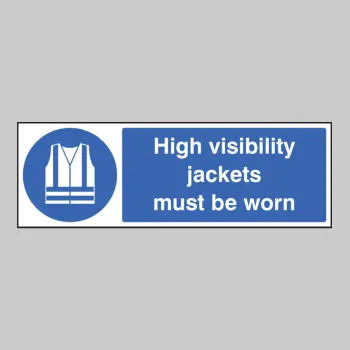
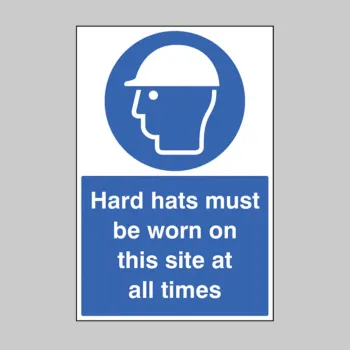
Mandatory signs instruct individuals to take specific actions in order to comply with safety regulations. Recognisable by their blue circular design with white symbols, these signs are frequently used to enforce personal protective equipment requirements.
On most construction sites, wearing a hard hat, high-visibility clothing, and safety footwear is mandatory at all times. In certain areas, additional PPE such as gloves, eye protection, hearing protection, or respiratory equipment may be required. These requirements are not arbitrary; they are based on risk assessments and are intended to protect workers from foreseeable harm. PPE signage ensures that individuals are properly equipped before entering higher-risk zones.
Equipment Inspection Signs
Equipment inspection signage plays an essential role in preventing mechanical failures and unsafe working conditions. Construction equipment, scaffolding, lifting gear, and fall protection systems must be regularly checked and maintained. Signs reminding workers to carry out daily forklift inspections, check scaffold tags, or verify lifting equipment certification reinforce these responsibilities.
By clearly communicating inspection requirements, these signs help maintain compliance with safety regulations and reduce the likelihood of equipment-related incidents.
Site Traffic and Parking Signs
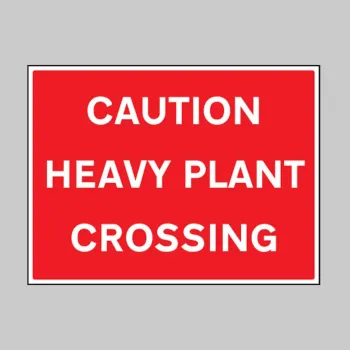
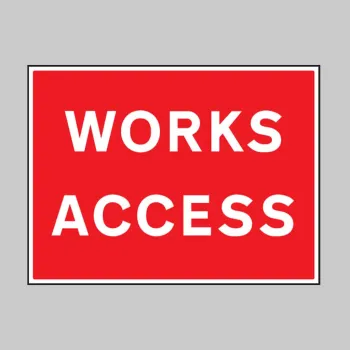
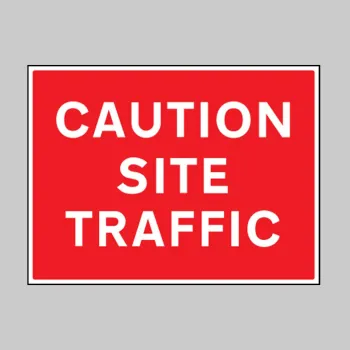
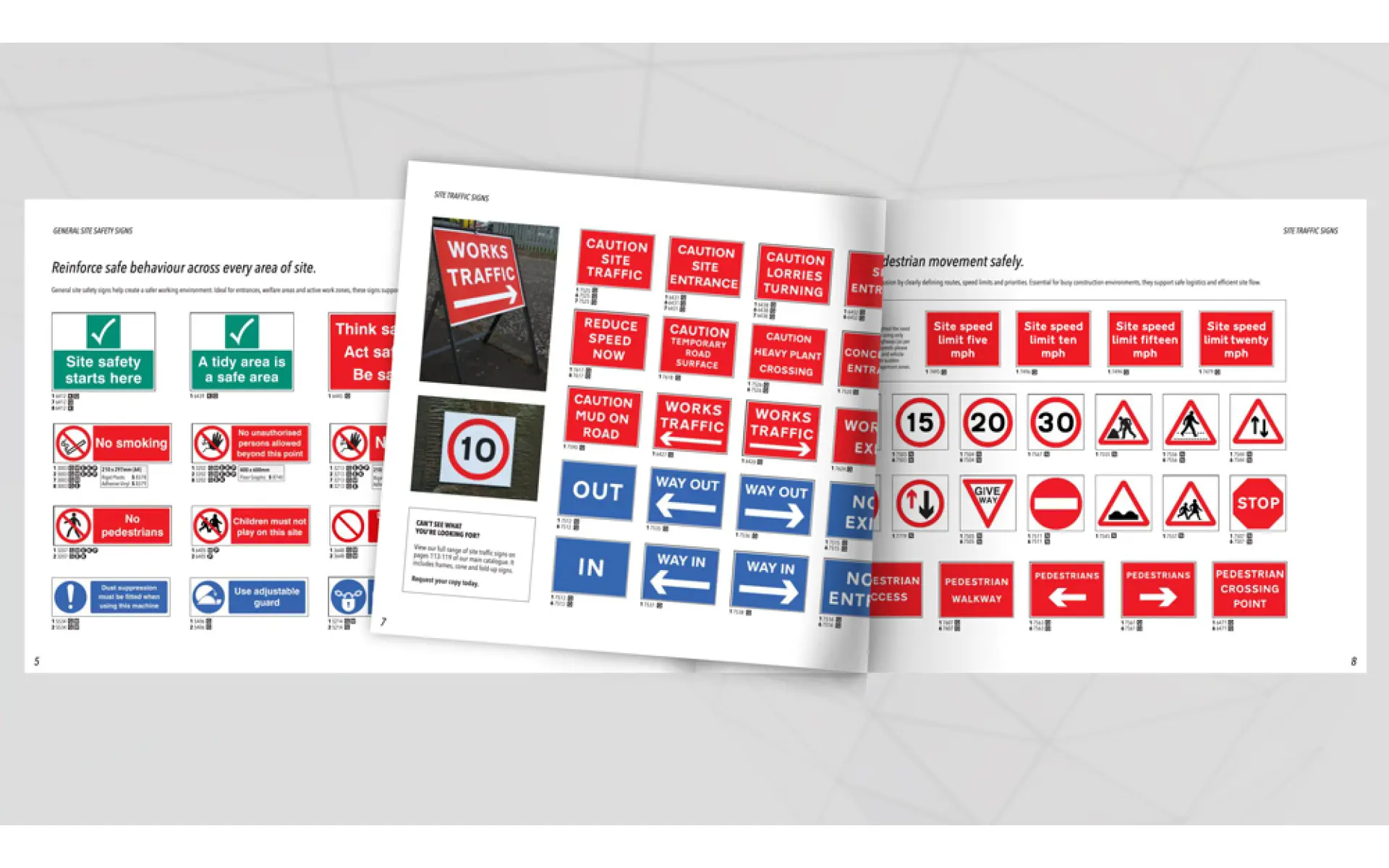
Vehicle movement is one of the leading causes of accidents on construction sites. Clear traffic management signage is therefore critical. Site traffic signs may indicate speed limits, one-way systems, pedestrian routes, vehicle routes, or turning vehicles. These signs help separate pedestrians from moving plant and reduce the risk of collisions.
Parking signage is equally important. Designated areas for staff parking, visitor parking, delivery vehicles, and emergency access routes ensure that site operations run smoothly. Keeping fire access points clear and preventing obstructed pathways can be crucial in an emergency situation.
Welfare and Toilet Signs
Construction sites are legally required to provide adequate welfare facilities. Clear signage directing workers and visitors to toilets, washing facilities, drinking water, canteens, and first aid rooms ensures that these amenities are easily accessible.
Multi-Message Site Safety Boards
Rather than overwhelming individuals with excessive individual signs, many sites use multi-message safety boards positioned at entry points and central locations. These boards typically combine essential information such as site rules, PPE requirements, emergency contact numbers, fire assembly points, and accident reporting procedures.
By presenting critical information in one highly visible location, multi-message boards reduce visual clutter while ensuring that key safety instructions are communicated effectively.
Material Recycling Signs and Environmental Awareness
Modern construction projects increasingly prioritise environmental responsibility. Recycling signs and posters help workers correctly segregate waste materials such as wood, metal, plasterboard, general waste, and hazardous materials. Clear signage above skips and waste areas reduces contamination and improves recycling efficiency.
Posters may also provide guidance on what materials belong in each container, reinforcing environmental policies and helping sites meet sustainability targets.
The Importance of Compliance
Construction site safety signs are not decorative or optional. They form part of a wider safety management system designed to prevent accidents and protect lives. When workers read, understand, and follow signage, they contribute to a culture of safety that benefits everyone on site.
Damaged, missing, or obstructed signs should be reported immediately, as clear visibility is essential for effectiveness. Regular site inductions and toolbox talks further reinforce the meaning and importance of signage.
Conclusion
Construction site safety signs play a vital role in communicating essential information in fast-paced and potentially hazardous environments. They warn of dangers, prohibit unsafe actions, enforce mandatory requirements, guide traffic, identify welfare facilities, and promote environmental responsibility.
By taking the time to understand and comply with safety signage, everyone on site helps create a safer working environment. Ultimately, these signs are more than regulatory requirements — they are safeguards designed to protect health, prevent injury, and save lives.