
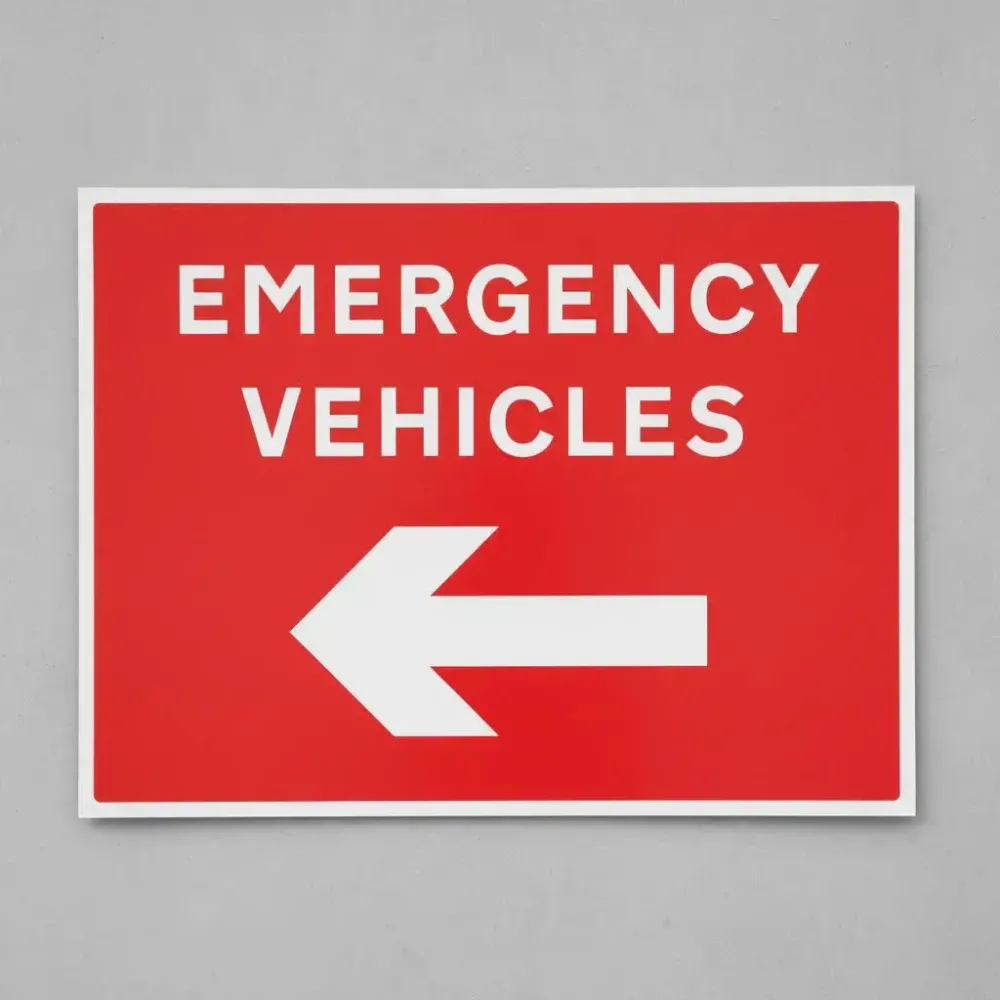

Emergency Vehicles - Arrow Left - TSRGD Diagram: P2708 - Emergency Vehicles Route to Temporary Incident Control Point Road Sign
- Caledonia Catalogue Page: 119 (EDITION 26)
- Technically Correct Symbol: TSRGD Diagram: P2708 - Emergency Vehicles Route to Temporary Incident Control Point Road Sign
- Wherever possible, we manufacture our signs to ensure they display technically correct symbols.
PLEASE LOG IN FOR TRADE PRICING
| Sign Design | Symbol | Name | Description |
|---|---|---|---|
 |
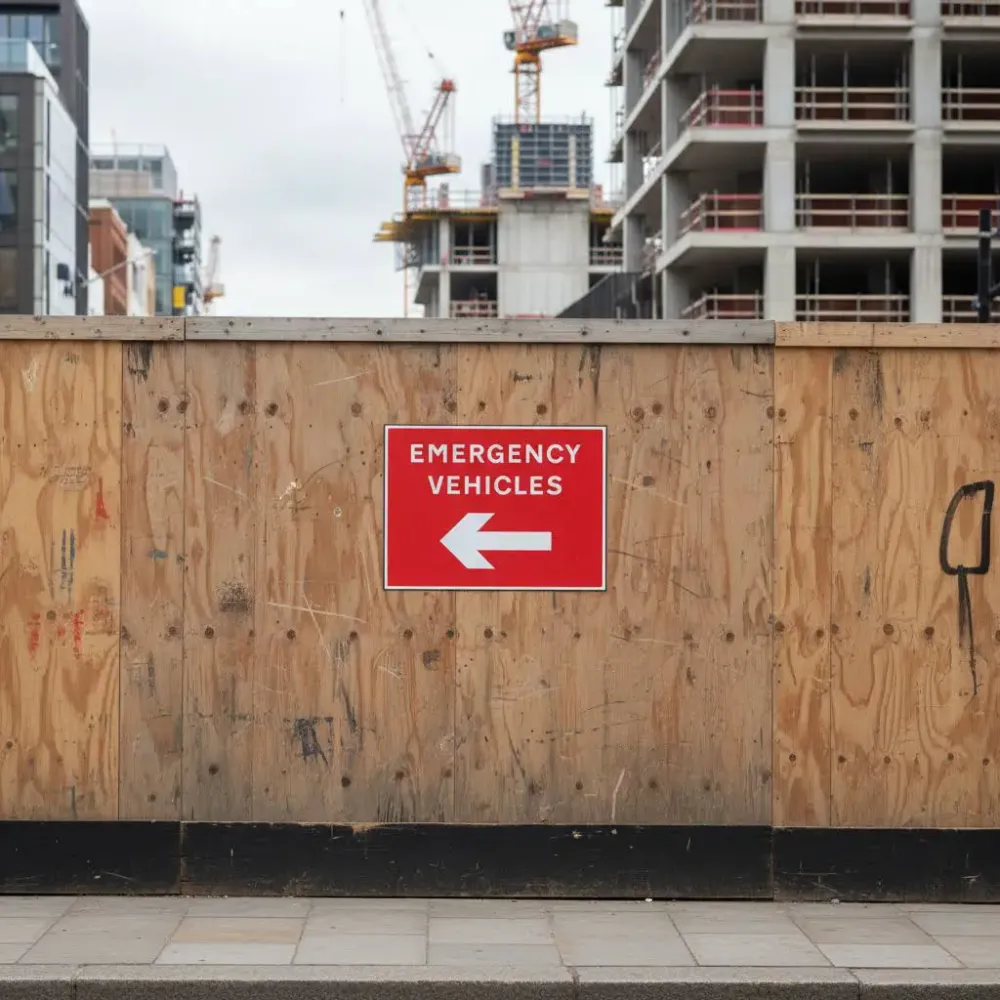
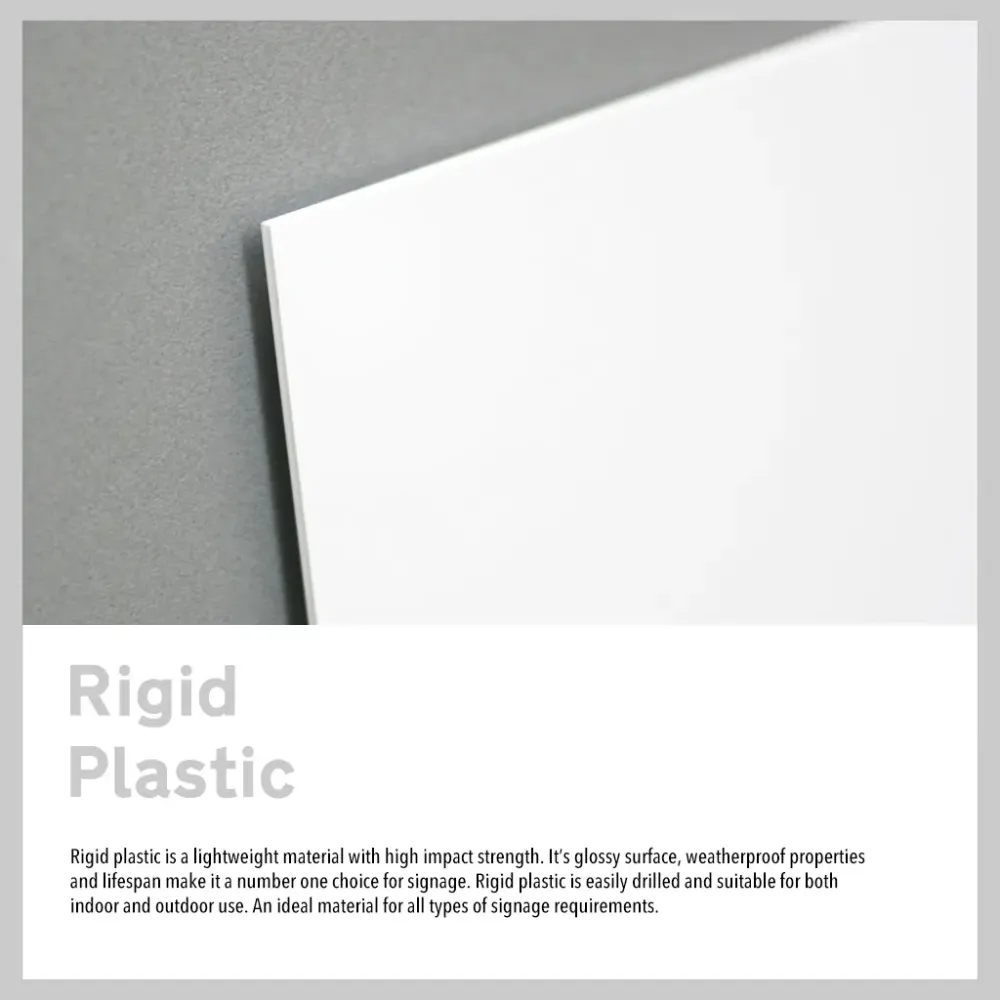
TSRGD Diagram: P2708 - Emergency Vehicles Route to Temporary Incident Control Point Road Sign | Emergency Vehicles - Arrow Left | Used to direct emergency vehicles, such as ambulances, fire trucks, and police vehicles, to turn or proceed to the left along a designated route. Its main purpose is to provide clear and immediate guidance to ensure that emergency responders can navigate efficiently and safely, particularly in areas where traffic, obstacles, or restricted access could delay response times. One of the main reasons to use this sign is safety and operational efficiency. Emergency vehicles often need to bypass regular traffic, construction zones, or restricted areas. The sign ensures drivers of emergency vehicles can quickly follow the correct path without hesitation, minimising risks of accidents or delays during critical situations. These signs are typically placed in hospital entrances, fire station exits, ambulance routes, industrial sites, and large complexes where emergency access is required. They are also useful along temporary detours, construction zones, or areas with one-way systems to indicate the safest path for emergency vehicles, ensuring rapid and unobstructed movement. Proper placement of an Emergency Vehicles - Arrow Left sign is essential for effectiveness. It should be installed at decision points where emergency drivers need to turn or change direction, such as intersections, junctions, or entrances/exits to restricted zones. Clear and visible signage helps maintain fast, organised, and safe movement of emergency vehicles, improving response times and overall public safety. Materials ExplainedBelow is a more detailed description of the materials this particular safety sign is available in. Helping you decide which sign option is most suitable for your application. Rigid Plastic: This lightweight, gloss white PVC is resistant to weather, moisture, chemicals, and general wear and tear, making it suitable for harsh environments. Its smooth, solid surface allows for crisp printing of text and graphics, enhancing readability and visual impact. Businesses who choose Rigid Plastic signs benefit from fewer replacements and minimal maintenance, making it a practical investment for reliable and effective safety signs. |
Related Products
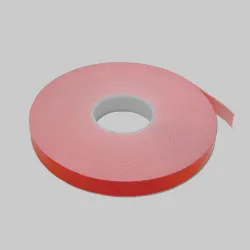
Double Sided Tape - 33m x 25mm
Acrylic high-bond foam tape (33M long roll and 25mm wide tape) Used extensively within the sign industry to bond metals, plastics and ACM. Its viscos..
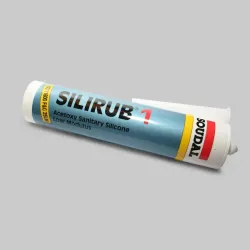
Silicone
Used to seal joints, gaps, and seams in a variety of construction, building, and signage applications. Its elasticity allows it to accommodate movemen..
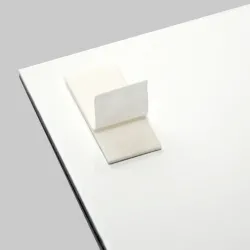
Double Sided Adhesive Pads (Pack of 4)
Securely attach signs, panels, or lightweight objects to walls, doors, or other surfaces without the need for screws, nails, or drilling. These pads p..

Velcro Hook and Loop Pad (Pack of 10)
Pack of 10 hook and loop fastening pads with high bond self-adhesive backing20mm dia. pads..
Tags: TSRGD Diagram: P2708 - Emergency Vehicles Route to Temporary Incident Control Point Road Sign, 17564Q, Road, Construction, Sites, A, E, Directions, Way, Finding, Traffic, Rigid, Plastic, , Page119.