
Security and CCTV Signs FAQs
Written by the Technical Team at Caledonia Signs
Last reviewed: July 2026
Welcome to the Caledonia Signs Security and CCTV Signs Knowledge Centre
Security signs play an important role in protecting people, property, information, and restricted areas by clearly communicating access requirements, security procedures, and potential risks. From CCTV warning signs and restricted area notices to authorised access signs and construction site security signage, effective security signs help prevent unauthorised entry, improve awareness, and support safer environments across workplaces, commercial premises, public buildings, and private facilities.
Understanding which security signs are required and how they should be used can be challenging, as requirements vary depending on the type of premises, security risks, and the measures already in place. Questions about CCTV signage, legal requirements, sign placement, visibility, inspection schedules, and the correct signs for specific environments are important considerations for anyone responsible for managing site security.
In the UK, security signage forms an important part of a wider security and risk management strategy. While there is no single regulation covering every type of security sign, organisations must ensure that signage is appropriate, clearly visible, and supports relevant legal responsibilities, including data protection requirements for CCTV systems and health and safety obligations where access control and hazard warnings are involved.
This Security Signs FAQs page answers the most common questions about security signage, including what signs are required, why security signs are important, CCTV sign requirements, construction site security signs, compliance, placement, materials, and maintenance. Whether you manage a workplace, construction site, commercial property, public building, or private facility, our expert guidance will help you understand your responsibilities and choose the right security signs to improve safety and security.
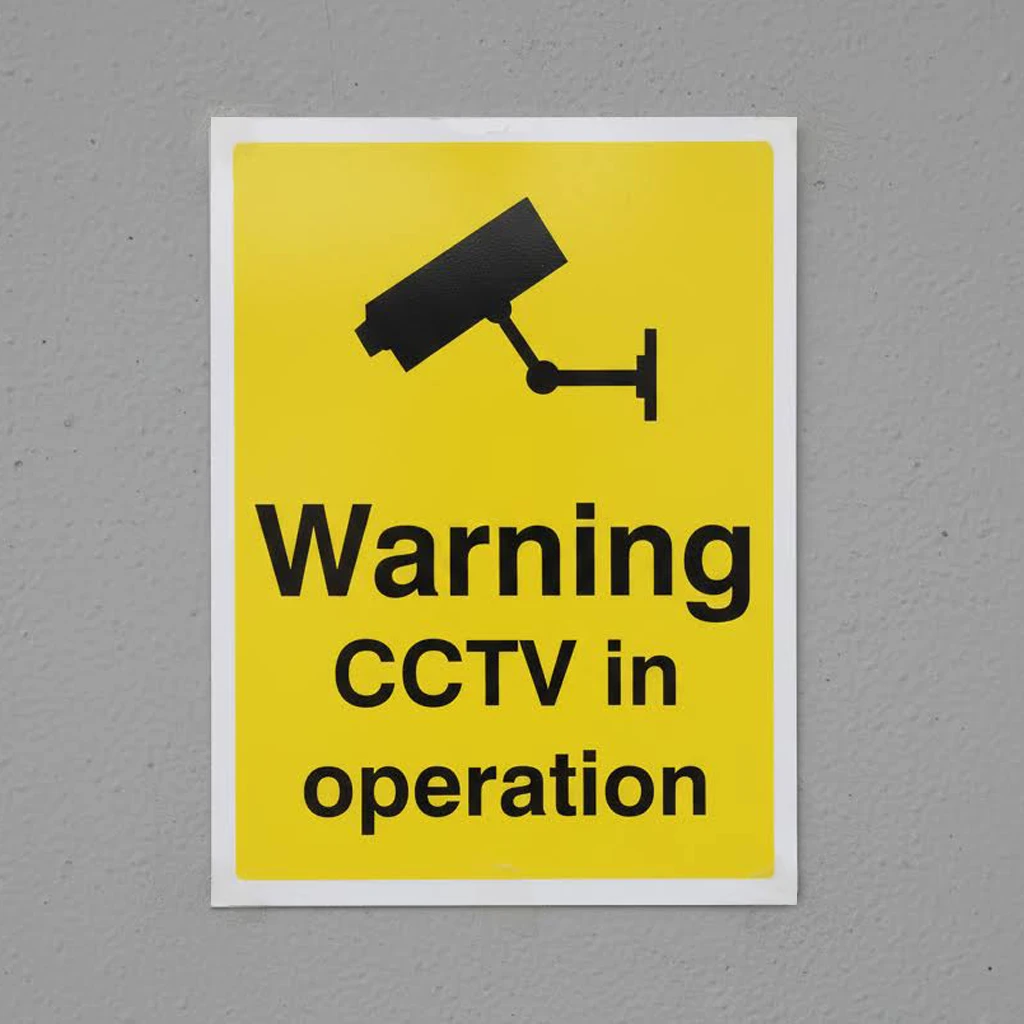
What security safety signs are required in the UK?
Security safety signs in the UK help protect people, property, and sensitive areas by communicating access restrictions, security procedures, and potential risks. While there is no single law that requires every premises to display a fixed list of security signs, businesses and organisations have a responsibility to assess risks and provide appropriate signage where it helps control hazards, manage access, and improve safety.
Common security safety signs used in the UK include CCTV warning signs, No Unauthorised Access signs, Restricted Area signs, and Authorised Personnel Only signs. These signs help control entry to areas such as offices, warehouses, construction sites, industrial facilities, schools, healthcare buildings, and commercial premises.
Where surveillance systems are used, CCTV signs are often required to inform people that they are being recorded. Under UK data protection requirements, including the UK General Data Protection Regulation (UK GDPR) and the Data Protection Act 2018, organisations using CCTV must provide clear information about surveillance and how personal data is handled.
Other security signs may be required depending on the risks and activities at a site. These can include security alarm signs, visitor access instructions, staff-only area signs, door entry system notices, vehicle access control signs, warning signs for security systems, and emergency security information. Sites with specific hazards or controlled areas may require additional warning or prohibition signage.
Security safety signs should be clearly visible, easy to understand, correctly positioned, and regularly maintained. Effective signage supports wider security measures by discouraging unauthorised access, informing visitors of site rules, and helping create a safer environment for employees, contractors, and the public.
What are the different types of security signs?
Security signs are used to communicate security procedures, control access, warn of potential risks, and protect people, property, and sensitive areas. They are commonly found in workplaces, commercial buildings, construction sites, warehouses, schools, healthcare facilities, industrial premises, and public areas. The type of security signs required will depend on the risks, activities, and level of access control needed at each location.
CCTV warning signs are among the most common security signs and inform people that video surveillance is in operation. These signs help increase awareness of monitoring systems and provide important information where CCTV is used, including details about who is responsible for the system and how personal data is managed.
Restricted Area signs are used to prevent people from entering areas without permission. They are commonly displayed on doors, gates, entrances, and secure areas where access needs to be controlled, such as server rooms, storage areas, staff-only zones, and operational areas.
Warning security signs alert people to potential security measures or risks, such as alarm systems, barbed wire, guard patrols, controlled areas, or monitored premises. They act as a deterrent and help encourage people to follow site security rules.
Visitor and access control signs provide instructions for people entering a site, such as reporting to reception, signing in, displaying visitor passes, or following specific entry procedures. These signs are particularly useful in offices, schools, construction sites, and commercial premises.
Vehicle security signs are used to manage vehicle access and movement. Examples include No Unauthorised Vehicles, Security Check Area, Delivery Access Only, and Vehicle Access Restricted signs, which help control traffic and protect secure areas.
Choosing the correct security signs helps improve awareness, control access, support legal responsibilities, and create a safer environment. Signs should always be clearly visible, easy to understand, correctly positioned, and maintained to ensure they remain effective.
Are CCTV signs a legal requirement?
Yes, CCTV signs are generally required in the UK when surveillance cameras are being used in a way that records or monitors people. Under UK data protection legislation, including the UK General Data Protection Regulation (UK GDPR) and the Data Protection Act 2018, organisations using CCTV must inform people that recording is taking place and provide clear information about the purpose of the surveillance.
CCTV warning signs help ensure that individuals are aware they are entering an area where they may be recorded. Signs should be displayed before people enter a monitored area, positioned where they are easy to see, and provide enough information for people to understand who is operating the CCTV system and why monitoring is taking place.
The exact requirements for CCTV signage depend on factors such as where the cameras are installed, what areas are being monitored, and how the recorded footage is used. For example, businesses, workplaces, car parks, retail premises, construction sites, and residential developments using CCTV should consider appropriate signage as part of their privacy and security arrangements.
Effective CCTV signs should be clear, visible, and easy to understand. They commonly include a CCTV symbol, a statement that CCTV is in operation, the reason for monitoring, and contact details for the organisation responsible for the system. Signs should also be reviewed if the CCTV system changes or the purpose of monitoring is updated.
Displaying suitable CCTV signage helps organisations meet their transparency obligations, supports responsible use of surveillance systems, and reassures employees, visitors, and members of the public that security measures are being managed appropriately.
Caledonia Signs Expert Tip
Effective security signage works best when it is seen early and clearly communicates what people need to know. CCTV signs should be positioned at entrances and other key access points so individuals are aware that recording is taking place before they enter the monitored area. Security signs, such as No Unauthorised Access or Restricted Area notices, should be placed where they clearly identify controlled areas and access requirements.
Signs should be large enough to read easily, positioned at eye level where possible, and kept free from obstructions. Regular checks should be carried out to ensure signs remain clean, undamaged, and accurate, particularly if security procedures or CCTV systems change.
Clear and well-positioned security signage helps deter unauthorised access, supports privacy requirements, improves awareness, and strengthens the overall effectiveness of your security measures.
Do security safety signs need to comply with UK regulations?
Yes, security safety signs in the UK should comply with relevant legislation and recognised standards to ensure they are clear, effective, and suitable for their intended purpose. The exact requirements depend on the type of security sign being used, where it is displayed, and the risks or legal responsibilities associated with the site.
There is no single regulation that covers all security signs, but several areas of UK law may apply. For example, organisations using CCTV signs must meet transparency requirements under the UK General Data Protection Regulation (UK GDPR) and the Data Protection Act 2018 by informing people that surveillance is taking place and providing appropriate information about how their data is handled.
Security signs used in workplaces and commercial premises should also support general health and safety responsibilities under legislation such as the Health and Safety at Work etc. Act 1974. Where signs are used to warn of hazards, restrict access, or communicate safety instructions, they should be clear, visible, and appropriately designed to ensure people understand the message being provided.
Signs such as No Unauthorised Access, Restricted Area, Authorised Personnel Only, and security warning signs should use clear wording and recognised symbols wherever possible. Consistent design helps employees, contractors, visitors, and members of the public quickly understand restrictions and follow site procedures.
To remain effective, security safety signs should be correctly positioned, easy to read, maintained in good condition, and reviewed regularly to ensure they continue to reflect current security arrangements. Using compliant and well-designed signage helps improve security awareness, support legal responsibilities, and create a safer environment.
How often should security signs be inspected or replaced?
Security signs should be inspected regularly to ensure they remain visible, accurate, and effective. There is no single legal timeframe in the UK that requires all security signs to be replaced at set intervals, but those responsible for premises should include signage checks as part of their routine security and safety inspections.
The frequency of inspections will depend on the location, environment, and type of sign. Outdoor security signs, such as CCTV warning signs, No Unauthorised Access signs, and Restricted Area signs, may require more frequent checks because they are exposed to weather conditions, sunlight, vandalism, and general wear. Signs in busy areas or locations with high public access should also be reviewed more often to ensure they remain clearly visible.
Security signs should be replaced whenever they become damaged, faded, outdated, difficult to read, or no longer accurately reflect the security measures in place. For example, a CCTV sign should be updated if the surveillance system changes, while access restriction signs should be reviewed if site layouts, entry procedures, or security policies are modified.
Regular inspections should check that signs are securely fixed, positioned where they can be easily seen, free from obstructions, and still communicate the correct information. Any damaged or missing signs should be replaced promptly to avoid confusion and reduce security risks.
Maintaining clear and effective security signage helps ensure employees, visitors, contractors, and members of the public understand site rules and access requirements. Regular reviews also support wider security procedures and help create a safer, better-controlled environment.
What security signs should be used on construction sites?
Security signs are an important part of construction site management, helping to control access, protect workers and visitors, and prevent unauthorised people from entering potentially dangerous areas. Construction sites often contain hazards such as moving vehicles, heavy machinery, open excavations, electrical equipment, and stored materials, making effective security signage essential for maintaining a safe and controlled environment.
Common security signs used on construction sites include No Unauthorised Access signs, which help prevent members of the public and unauthorised visitors from entering the site. These are typically displayed at entrances, gates, fencing, and restricted areas where access must be controlled.
Authorised Personnel Only and Restricted Area signs are used to identify areas that can only be accessed by trained workers or approved contractors. These may be required around high-risk zones such as plant areas, material storage areas, electrical rooms, scaffolding areas, and locations where specialist work is taking place.
CCTV warning signs are also commonly used on construction sites where surveillance cameras are installed. These signs inform people that monitoring is taking place and help support transparency requirements under UK data protection legislation. Additional security signs may include Site Entrance, Report to Site Office, Visitors Must Sign In, Security Patrols in Operation, and PPE Required Beyond This Point notices.
Construction site security signs should be clearly visible, positioned at key access points, and maintained throughout the project. As site conditions change, signage should be reviewed and updated to reflect new hazards, access arrangements, and security requirements.
Using appropriate security signage alongside measures such as secure fencing, controlled access points, lighting, and visitor management procedures helps protect workers, contractors, equipment, materials, and the public while supporting a safer construction environment.
Looking for Safety Signs?
Caledonia Signs is one of the UK's leading trade-only manufacturers of safety signage, supplying an extensive network of distributors throughout the UK and overseas. If you're an end user looking to purchase safety signs, we'd still be delighted to help. Simply contact us with details of your requirements and we'll be happy to recommend a suitable distributor in your area. Interested in becoming a distributor? Contact our team to discuss opening a trade account and gaining access to our full product range, trade pricing and online ordering portal.
There are no products to list in this category.