
Road Traffic Signs FAQs
Written by the Technical Team at Caledonia Signs
Last reviewed: July 2026
Welcome to the Caledonia Signs Road Traffic Signs Knowledge Centre
This Road Traffic Safety Signs FAQs page answers the most common questions about road traffic signage, including sign types, legal requirements, private road and car park signage, reflective materials, sign sizes, compliance, and responsibilities. Whether you are managing a workplace, construction site, private road, parking area, or simply looking to understand UK traffic sign requirements, our expert guidance will help you make informed decisions and choose the right signage for your needs.
Road traffic safety signs play an essential role in managing the movement of vehicles and pedestrians, improving safety, and ensuring that important instructions and warnings are clearly communicated. From public roads and private car parks to construction sites, industrial estates, workplaces, and commercial premises, the correct use of traffic signage helps reduce risks, prevent accidents, and create safer environments for everyone.
Understanding the requirements for road traffic signs can often be complex, as the rules vary depending on where signs are used, the type of traffic being managed, and the risks present. Questions such as what signs are required, when reflective signs should be used, what sizes are appropriate, and whether signs need to comply with UK regulations are important considerations for anyone responsible for managing roads, access routes, or parking areas.
In the UK, road traffic signs are designed to provide clear and consistent information through recognised colours, symbols, and layouts. Public highway signs must follow specific legal requirements, while private roads, car parks, and workplace areas require suitable signage based on risk assessments and safety responsibilities. Choosing the correct signs, installing them properly, and maintaining their visibility are key steps in supporting effective traffic management.
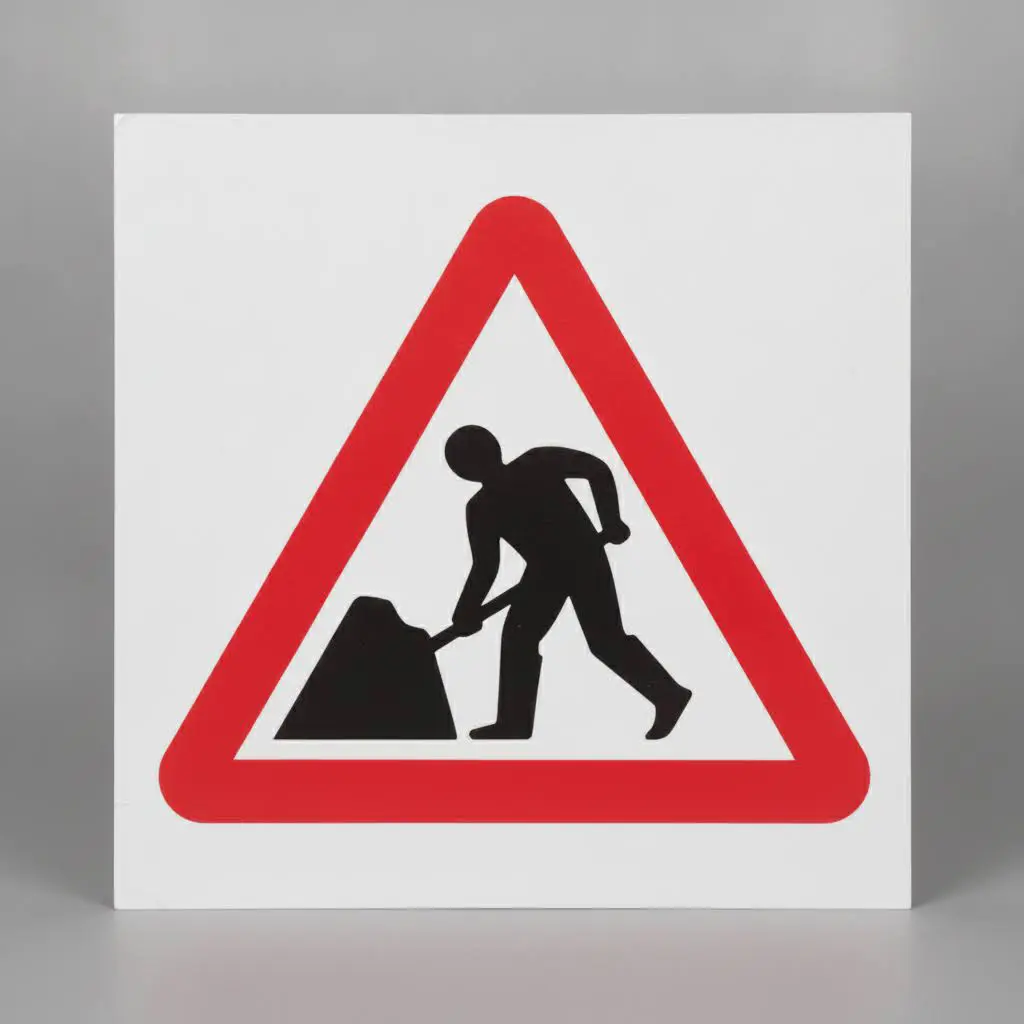
When are reflective road traffic signs required?
Reflective road traffic signs are required where signs need to remain clearly visible in low-light conditions, at night, or where road users need to identify important information quickly and safely. Reflective materials help signs stand out when illuminated by vehicle headlights, improving visibility and giving drivers more time to react to warnings, instructions, and changes in road conditions.
In the UK, reflective road traffic signs are commonly required on public roads, highways, and areas where traffic signs must be visible after dark. They are particularly important for speed limit signs, warning signs, regulatory signs, directional signs, and temporary traffic management signs used around road works. The level of reflectivity required depends on the type of road, location, sign purpose, and the requirements set out in relevant standards and guidance.
Reflective signage is also important in areas with increased safety risks, such as busy junctions, pedestrian crossings, bends, construction zones, car parks, industrial estates, and private roads where vehicles and pedestrians interact. Using reflective signs helps ensure that critical information remains visible during poor weather, reduced daylight, and other conditions where standard signs may be difficult to see.
The choice of reflective material should be suitable for the intended application and comply with recognised UK standards, including the requirements of the Traffic Signs Regulations and General Directions (TSRGD) and relevant guidance such as the Traffic Signs Manual. Signs should also be regularly inspected and maintained to ensure they remain clean, undamaged, and effective throughout their service life.
Understanding when reflective road traffic signs are required helps improve road safety, supports legal compliance, and ensures that drivers, cyclists, and pedestrians can clearly see and respond to important information at all times.
What road traffic signs are required on private roads?
Road traffic signs on private roads are used to manage vehicle and pedestrian movement, improve safety, and communicate important instructions to everyone using the area. Unlike public highways, private roads are not always subject to the same legal requirements as roads maintained by local authorities, but suitable signage may still be required to control risks and meet health and safety responsibilities.
The signs needed on a private road will depend on factors such as the location, the number of vehicles and pedestrians using the road, the potential hazards present, and the findings of a suitable risk assessment. Common examples include speed limit signs, one-way system signs, no entry signs, parking restriction signs, pedestrian crossing signs, vehicle access signs, and warning signs for hazards such as bends, uneven surfaces, loading areas, or vehicle movements.
Private roads in workplaces, industrial estates, warehouses, construction sites, residential developments, hospitals, schools, and retail premises often require additional traffic management signage. This may include site entrance signs, delivery and loading area signs, pedestrian walkway signs, keep clear notices, height restriction signs, and directional signs to separate vehicles from pedestrians and reduce the risk of collisions.
Where private roads are open to the public or used by a large number of people, it is recommended that signs follow recognised road traffic sign principles, including appropriate colours, symbols, visibility, and placement. Many organisations choose signs that align with the standards used on public roads to ensure they are easily understood and provide consistent safety information.
Ultimately, the responsibility for providing suitable signage on a private road rests with the person or organisation controlling the area. Regular reviews should be carried out to ensure signs remain accurate, visible, and appropriate as traffic patterns, site layouts, and risks change.
What size should road traffic signs be?
The correct size of a road traffic sign depends on where it is being used, the speed of traffic, the viewing distance, the type of sign, and whether it is installed on a public road or private land. There is no single standard size for all road traffic signs, as signs must be large enough to be clearly visible and understood by road users before they reach the hazard, instruction, or decision point.
In the UK, road traffic sign sizes are generally determined by guidance set out in the Traffic Signs Regulations and General Directions (TSRGD) and the Traffic Signs Manual. Signs used on higher-speed roads are typically larger than those used in areas with slower traffic speeds because drivers need more time and distance to recognise and respond to the information displayed.
Warning signs, regulatory signs, and directional signs are available in a range of standard sizes. For example, a small sign may be suitable for a low-speed private road, car park, or industrial site, while a larger sign may be required on a public highway, busy access road, or area where vehicles are travelling at higher speeds. The correct size should always take into account visibility, lighting conditions, surrounding environment, and the amount of information shown on the sign.
For private roads, construction sites, warehouses, industrial estates, and car parks, sign sizes should be selected based on a risk assessment and the needs of the people using the area. Signs should be large enough to be noticed easily, readable from an appropriate distance, and positioned where drivers and pedestrians have sufficient time to react safely.
Choosing the correct road traffic sign size helps improve safety, ensures important information is communicated effectively, and supports compliance with relevant standards. Signs should also be regularly inspected to ensure they remain clean, visible, correctly positioned, and suitable for the conditions in which they are used.
Caledonia Signs Expert Tip
Many businesses install the correct safety signs but overlook consistency. Using a mixture of old and new symbol designs can reduce recognition during an emergency. We recommend replacing outdated signage with current ISO 7010 compliant designs whenever signage is reviewed.
Do road traffic signs need to comply with UK regulations?
Yes, road traffic signs in the UK should comply with relevant regulations and standards to ensure they are legally recognised, clearly understood, and effective in maintaining road safety. The requirements depend on where the signs are being used, with public highway signs subject to stricter legal controls than signs installed on private land.
For public roads, traffic signs must comply with the Traffic Signs Regulations and General Directions (TSRGD), which sets out the approved designs, colours, shapes, symbols, and meanings of road signs used in the UK. Local authorities, highways contractors, and other organisations responsible for public roads must ensure that signs are installed correctly and meet these requirements.
On private roads, such as car parks, industrial estates, construction sites, business parks, and private developments, signs may not always be legally required to follow the same rules as public highway signs. However, using recognised road traffic sign designs is strongly recommended because familiar symbols and layouts help drivers, pedestrians, and visitors quickly understand instructions and hazards. Private road signs should still support a suitable risk assessment and meet general health and safety responsibilities.
Road traffic signs should also be correctly positioned, clearly visible, properly maintained, and suitable for the environment in which they are installed. Poorly designed, damaged, or unclear signs can create confusion and increase the risk of accidents.
Ensuring that road traffic signs comply with UK regulations and recognised standards helps improve safety, provides consistent information to road users, and ensures that important warnings, restrictions, and instructions are communicated effectively.
What are the penalties for missing or incorrect road traffic signs?
The penalties for missing or incorrect road traffic signs in the UK depend on where the signs are located, who is responsible for them, and whether the absence or incorrect use of signage creates a safety risk. On public roads, traffic signs are subject to strict legal requirements, and failing to provide appropriate signs or using signs incorrectly can result in enforcement action, legal penalties, or liability if an accident occurs.
Local authorities, contractors, and organisations responsible for managing roads must ensure that required traffic signs are correctly installed, maintained, and clearly visible. Failure to meet these responsibilities can lead to improvement notices, enforcement action from relevant authorities, or claims for damages if inadequate signage contributes to an injury or accident.
On private roads, workplaces, construction sites, and commercial premises, missing or unsuitable traffic signs may result in action under health and safety legislation if they contribute to an unsafe environment. Employers and site operators have a responsibility to identify risks and implement suitable control measures, which may include providing appropriate traffic management signs, warnings, and instructions.
Incorrect, damaged, or poorly positioned signs can also create confusion for drivers and pedestrians, increasing the likelihood of collisions, restricted access issues, or unsafe vehicle movements. In addition to potential legal consequences, organisations may face increased insurance costs, reputational damage, and disruption to operations following an incident.
To avoid penalties and improve safety, road traffic signs should be selected correctly, installed in suitable locations, inspected regularly, and replaced when they become damaged, faded, or no longer reflect current road conditions or traffic arrangements. Carrying out regular reviews and risk assessments helps ensure signage remains compliant and effective.
Do private car parks need road traffic signs?
Yes, private car parks often need road traffic signs to help manage vehicle and pedestrian movement, improve safety, and communicate important rules and instructions. While private car parks are not always subject to the same legal requirements as public highways, the person or organisation responsible for the car park has a duty to identify risks and take suitable measures to protect users.
The type of signs required will depend on the size, layout, usage, and risks associated with the car park. Common car park traffic signs include speed limit signs, one-way system signs, no entry signs, parking restriction signs, disabled parking signs, pedestrian crossing signs, directional signs, and warning signs for hazards such as blind corners, loading areas, or vehicle movements.
In workplaces, retail parks, hospitals, schools, residential developments, and commercial premises, clear traffic management signage can help separate vehicles and pedestrians, reduce the risk of collisions, and ensure drivers understand parking rules and site procedures. Signs may also be needed to identify emergency access routes, fire lanes, delivery areas, and restricted parking zones.
Private car park signage should be clearly visible, easy to understand, correctly positioned, and maintained in good condition. Many organisations choose signs that follow recognised UK road traffic sign principles, as familiar symbols and layouts help users quickly understand instructions and respond safely.
Car park owners and operators should regularly review their signage as part of their risk assessment process, particularly when layouts change, traffic levels increase, or new hazards are introduced. Providing suitable road traffic signs helps create a safer environment for drivers, pedestrians, visitors, and staff while supporting compliance with health and safety responsibilities.
Looking for Safety Signs?
Caledonia Signs is one of the UK's leading trade-only manufacturers of safety signage, supplying an extensive network of distributors throughout the UK and overseas. If you're an end user looking to purchase safety signs, we'd still be delighted to help. Simply contact us with details of your requirements and we'll be happy to recommend a suitable distributor in your area. Interested in becoming a distributor? Contact our team to discuss opening a trade account and gaining access to our full product range, trade pricing and online ordering portal.
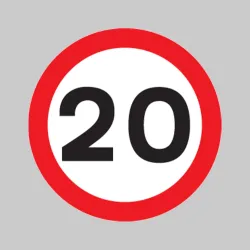
20mph - Class RA1 - Temporary Safety Signs
Used to enforce a reduced speed limit in temporary or work zones where slower speeds are necessary for safety. Commonly deployed in roadworks, constru..
Symbol: TSRGD Diagram: 670 - Maximum Speed Limit Road Signs
Catalogue Page: 112 (EDITION 26)
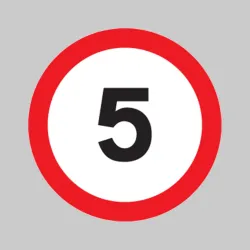
5mph - Class R2 - Permanent Safety Signs
Clearly communicate a maximum speed limit of 5 miles per hour in areas where slow vehicle movement is critical for safety. This is typically required ..
Symbol: TSRGD Diagram: 670 - Maximum Speed Limit Road Signs
Catalogue Page: 112 (EDITION 26)
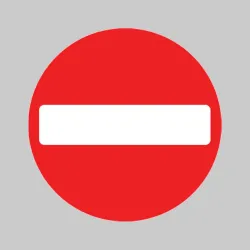
No Entry - Class R2 - Permanent Safety Signs
Prohibit vehicles from entering a specific roadway, lane, or area, ensuring traffic flows safely and in accordance with road regulations. The sign pro..
Symbol: TSRGD Diagram: 616 - No Entry Road Signs
Catalogue Page: 112 (EDITION 26)
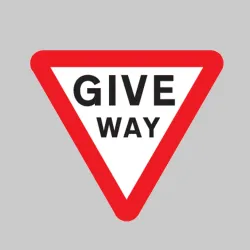
Give Way - Class R2 - Permanent Safety Signs
Traffic sign design to Chapter 8, DfT and TSRGD guidelinesClass R2 is a high intensity prismatic material designed to retain a high reflectivity level..
Symbol: TSRGD Diagram: 602 - Give Way Road Signs
Catalogue Page: 112 (EDITION 26)
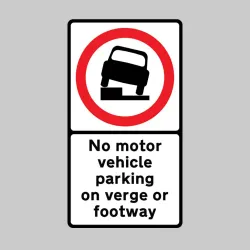
No Motor Vehicle Parking on Verge or Footway - Class RA1 and R2 Safety Signs
It is now illegal to park on pavements in London and Edinburgh, and the Department for Transport (DfT) has announced it's considering bringing the res..
Symbol: Safety Product
Catalogue Page: 112 (EDITION 26)
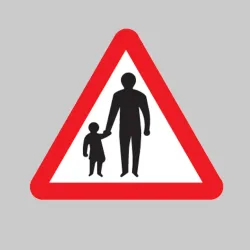
Adult and Child - Class RA1 & R2 Safety Signs
Traffic sign design to Chapter 8, DfT and TSRGD guidelines. Class R2 is a high intensity prismatic material designed to retain a high reflectivity ..
Symbol: TSRGD Diagram: 544.1 - Pedestrians in Road Ahead Road Signs
Catalogue Page: 112 (EDITION 26)