
Prohibition Safety Sign FAQs
Written by the Technical Team at Caledonia Signs
Last reviewed: July 2026
ISO 7010 Prohibition Safety Sign Symbols: Meanings and Uses
Prohibition safety signs are an essential part of effective workplace safety communication, clearly identifying actions and behaviours that are not permitted in order to help prevent accidents, injuries, and exposure to hazards. Unlike warning or mandatory signs, prohibition signs inform people of activities, actions, or behaviours that must be avoided, such as not smoking, not entering restricted areas, or not using unauthorised equipment. By providing clear visual instructions, they help employees, visitors, contractors, and members of the public understand the restrictions they must follow when entering or working within a particular area.
Prohibition signs are widely used across workplaces, construction sites, factories, warehouses, laboratories, healthcare facilities, schools, offices, and public buildings. Common examples include symbols showing no smoking, no open flames, no unauthorised access, no mobile phones, no photography, no drinking water, no eating or drinking, and restrictions on specific activities that may create safety risks. They are also used to control access, protect sensitive areas, and prevent behaviours that could result in injury, damage, or non-compliance with safety procedures.
Based on the internationally recognised ISO 7010 standard, prohibition safety signs feature a black symbol inside a white circular background with a red border and diagonal line, making them instantly recognisable regardless of language or nationality. Their consistent design helps ensure important safety restrictions can be understood quickly, reducing the likelihood of unsafe actions and supporting safer working practices across a wide range of industries and environments.
This directory provides a comprehensive guide to prohibition safety signs, including their symbols, meanings, and common uses. Whether you are looking to identify a specific prohibition symbol or understand where it should be displayed, this guide explains each sign and the restriction it communicates, helping organisations select the correct signage, control workplace risks, improve safety awareness, and support compliance with relevant health and safety legislation.
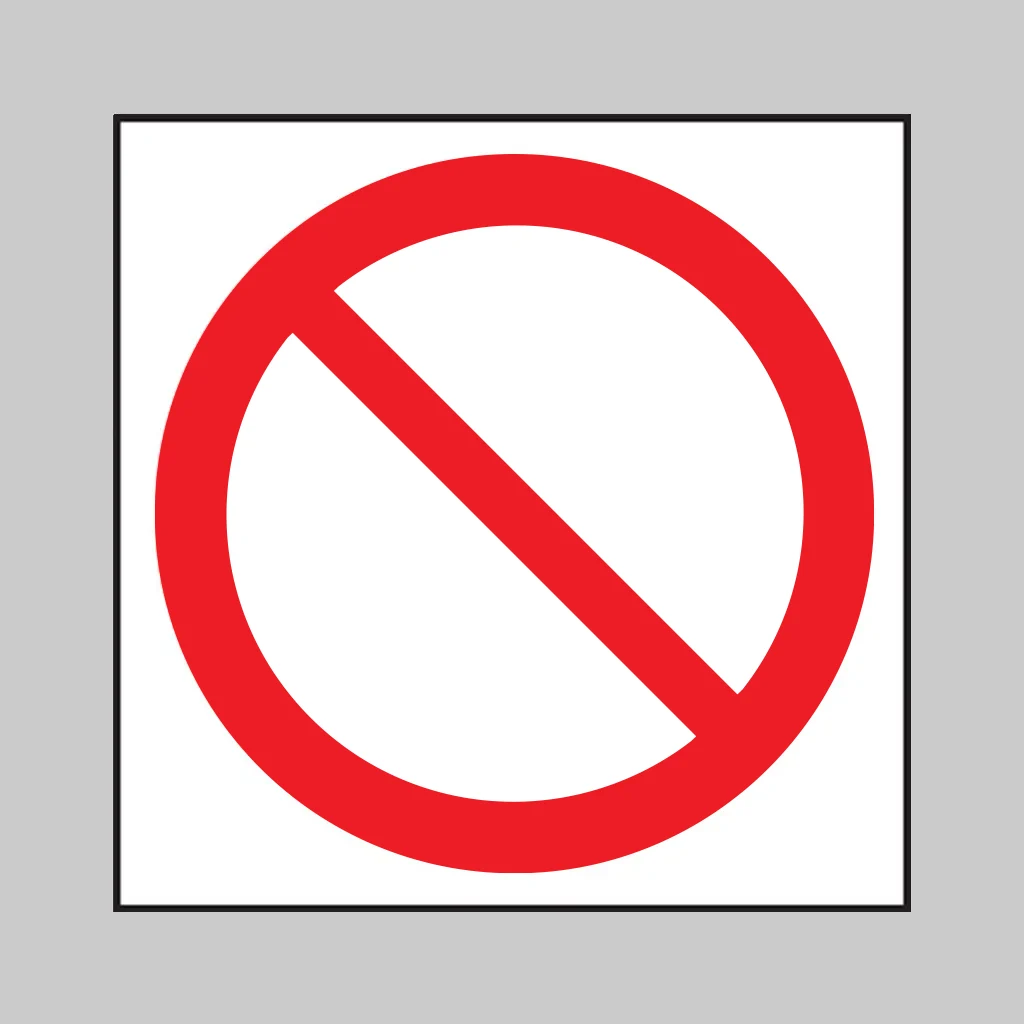
| Symbol | Code | Name | Meaning | Typical use |
|---|---|---|---|---|
|
|
P001 | General Prohibition | Where should this symbol be used? |
What wording can be used? Summary |
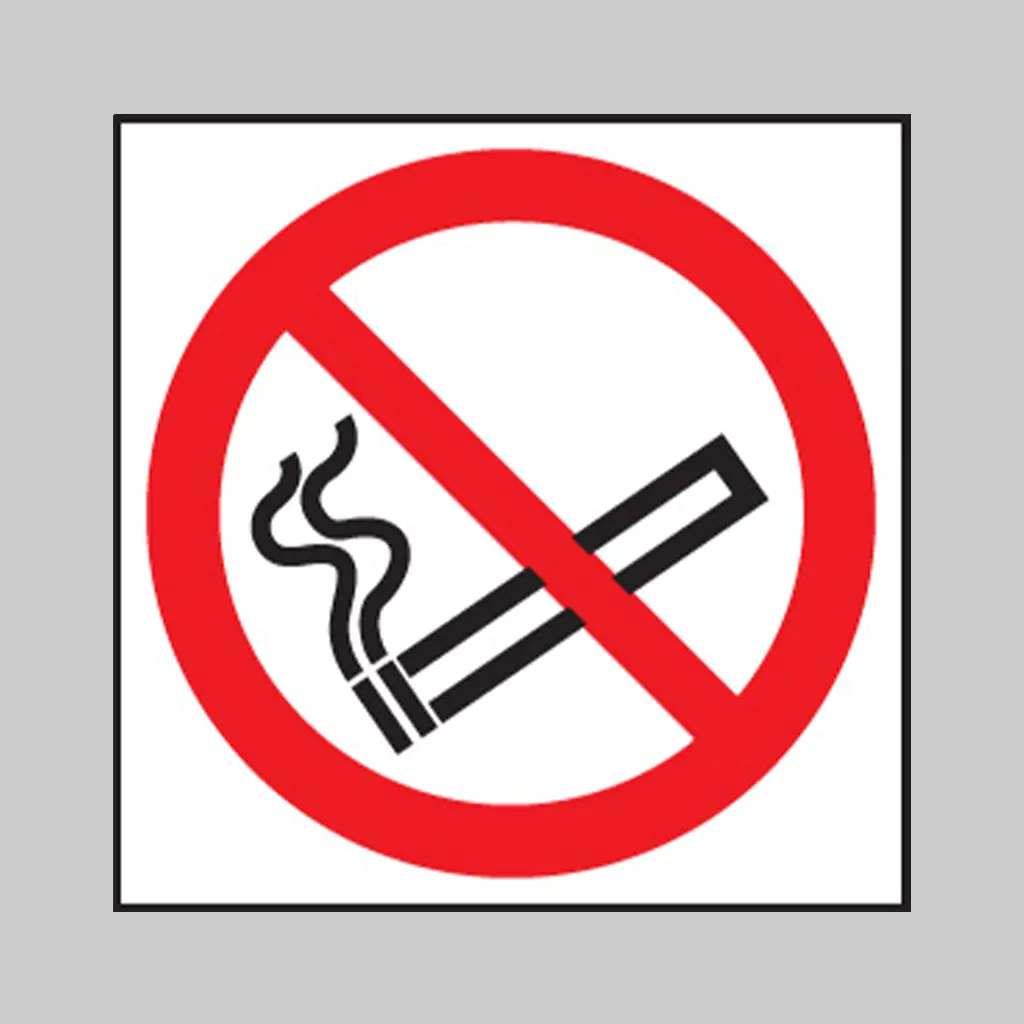
|
P002 | No Smoking | What does this symbol mean? |
Where is it commonly displayed? How should the sign be positioned? Summary |
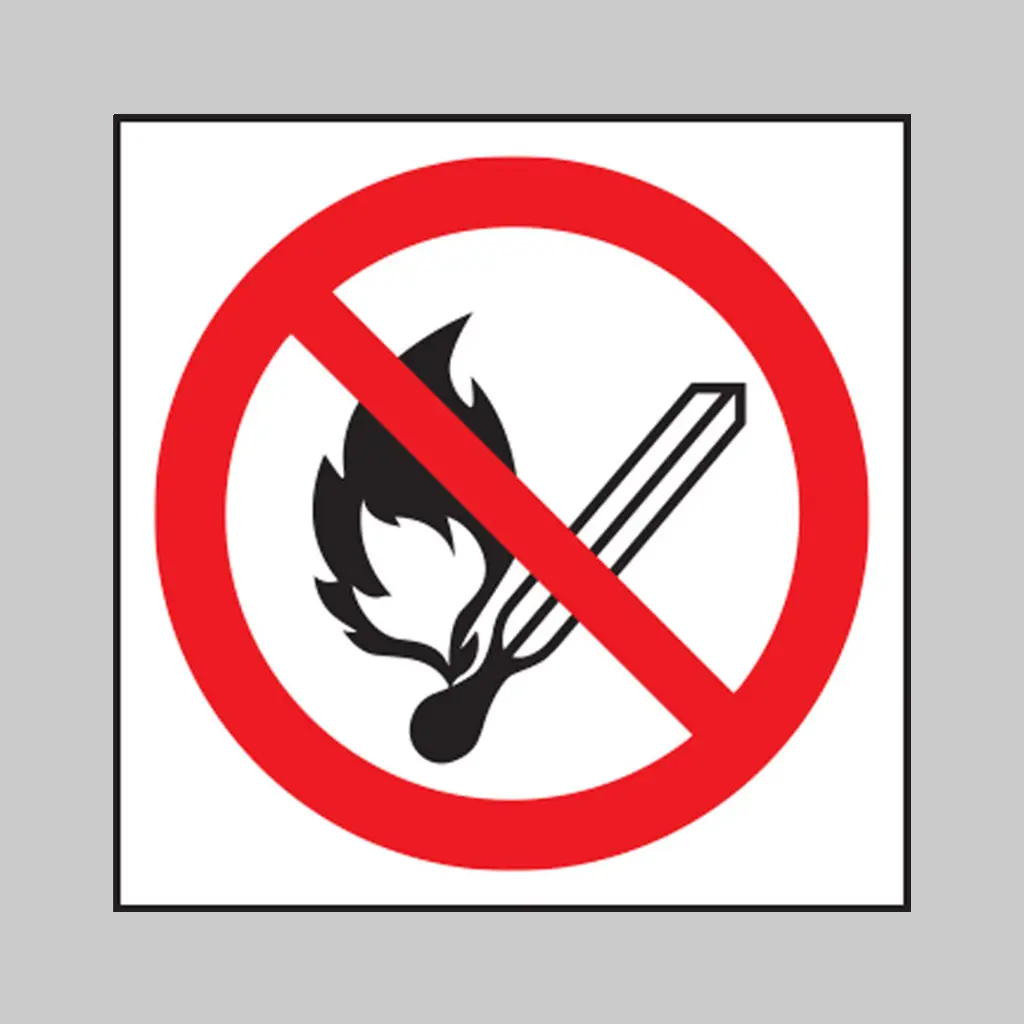
|
P003 | No Open Flame | What does this symbol indicate? |
When should it be displayed? Why is correct placement important? Summary |
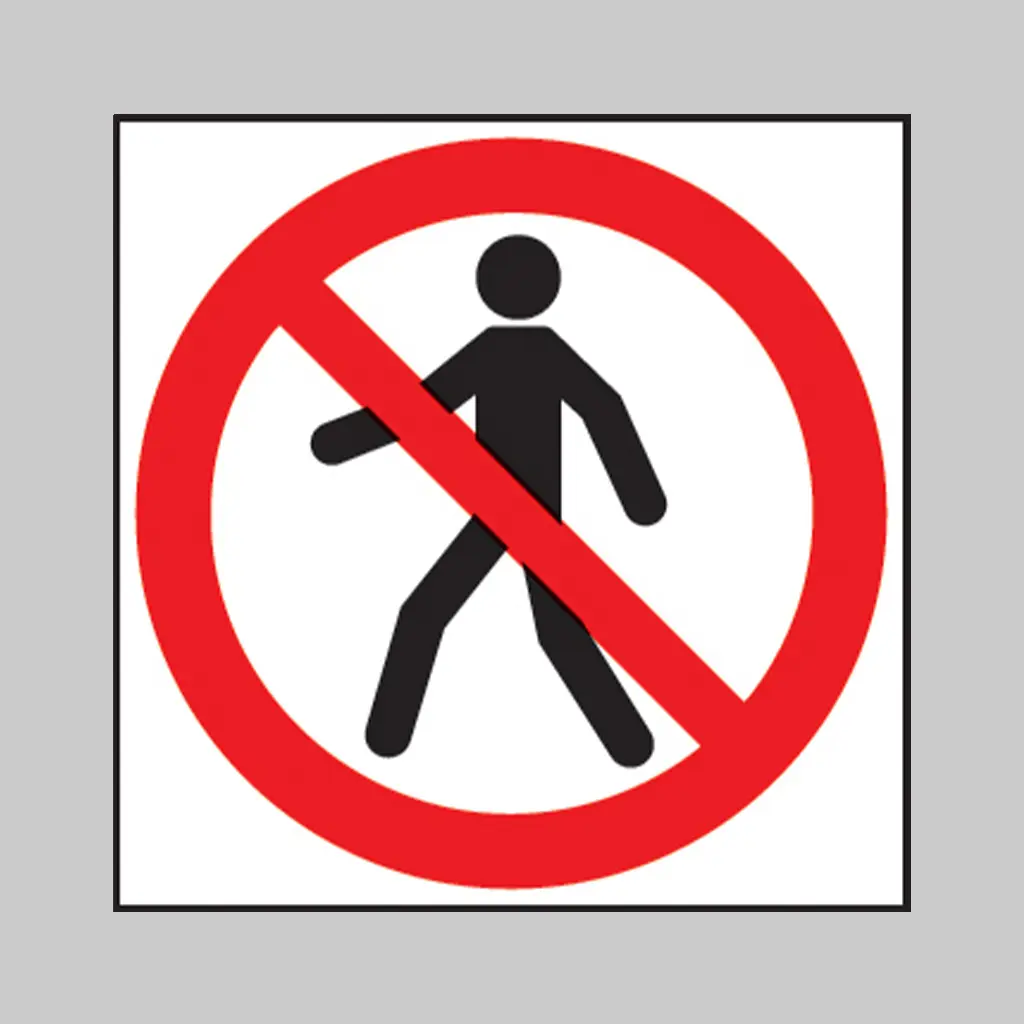
|
P004 | No Thoroughfare | What restriction does this symbol show? |
Where might this sign be found? How should it be displayed? Summary |
|
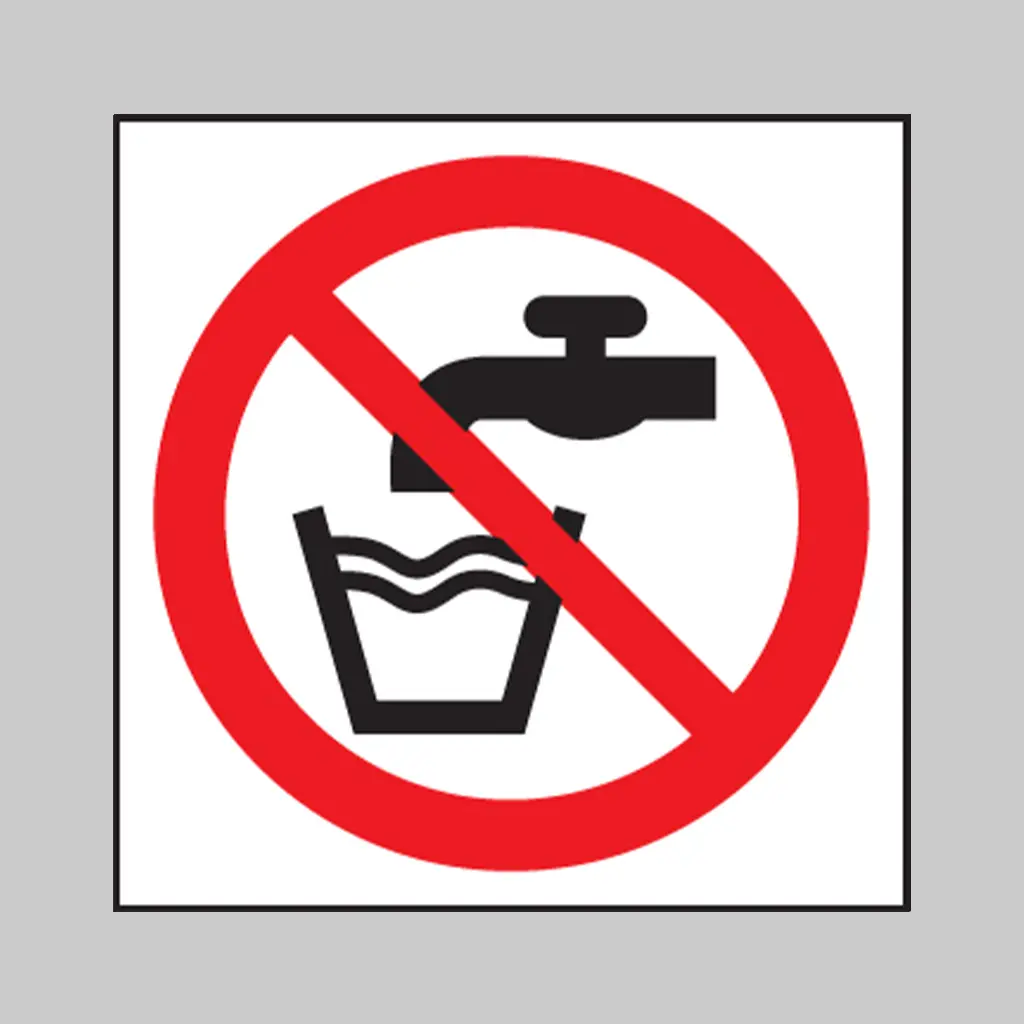
P005 | Not Drinking Water | What does this symbol tell you? |
Where is it normally used? What should people do when they see it? Why is the sign important? |
|
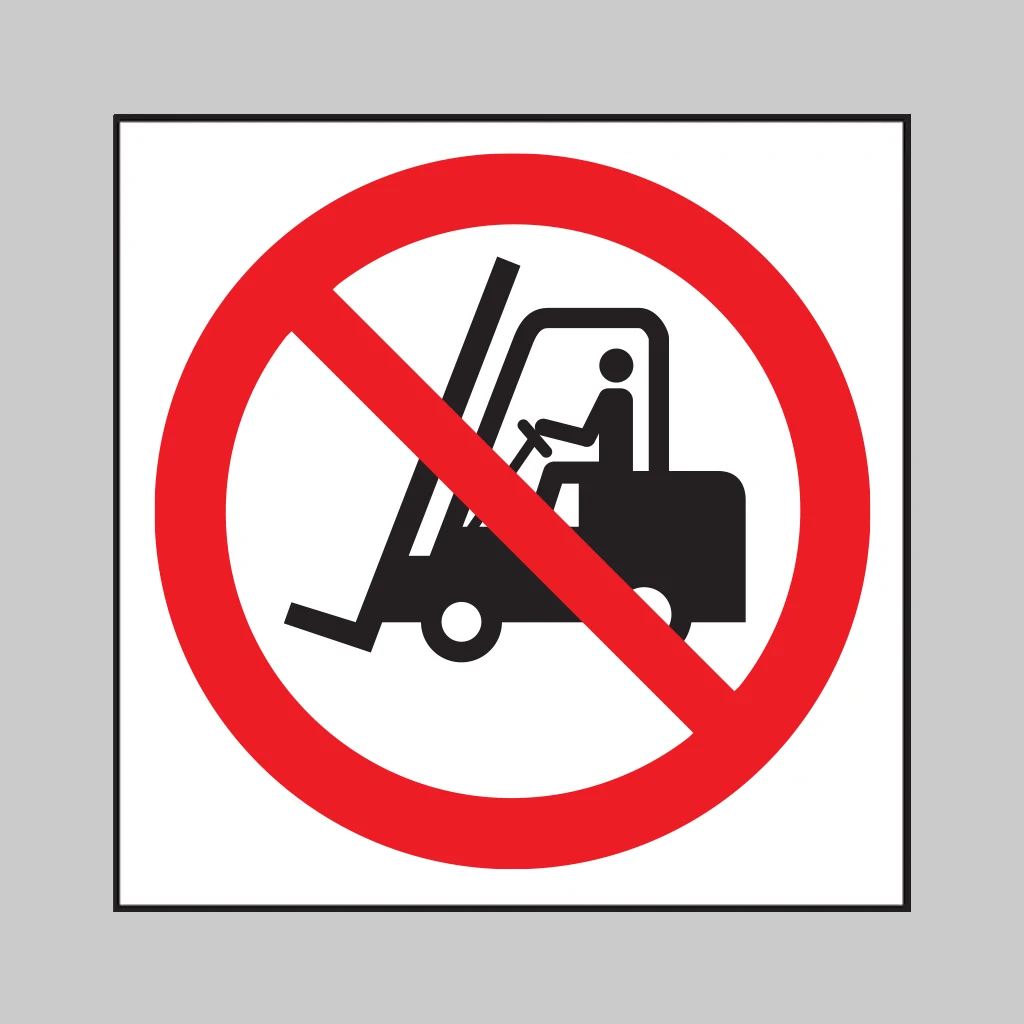
P006 | No Access for Forklift Trucks | Forklift trucks and similar industrial vehicles are prohibited in this area. | Displayed in workplaces, warehouses and factories, loading bays, construction sites. |
|
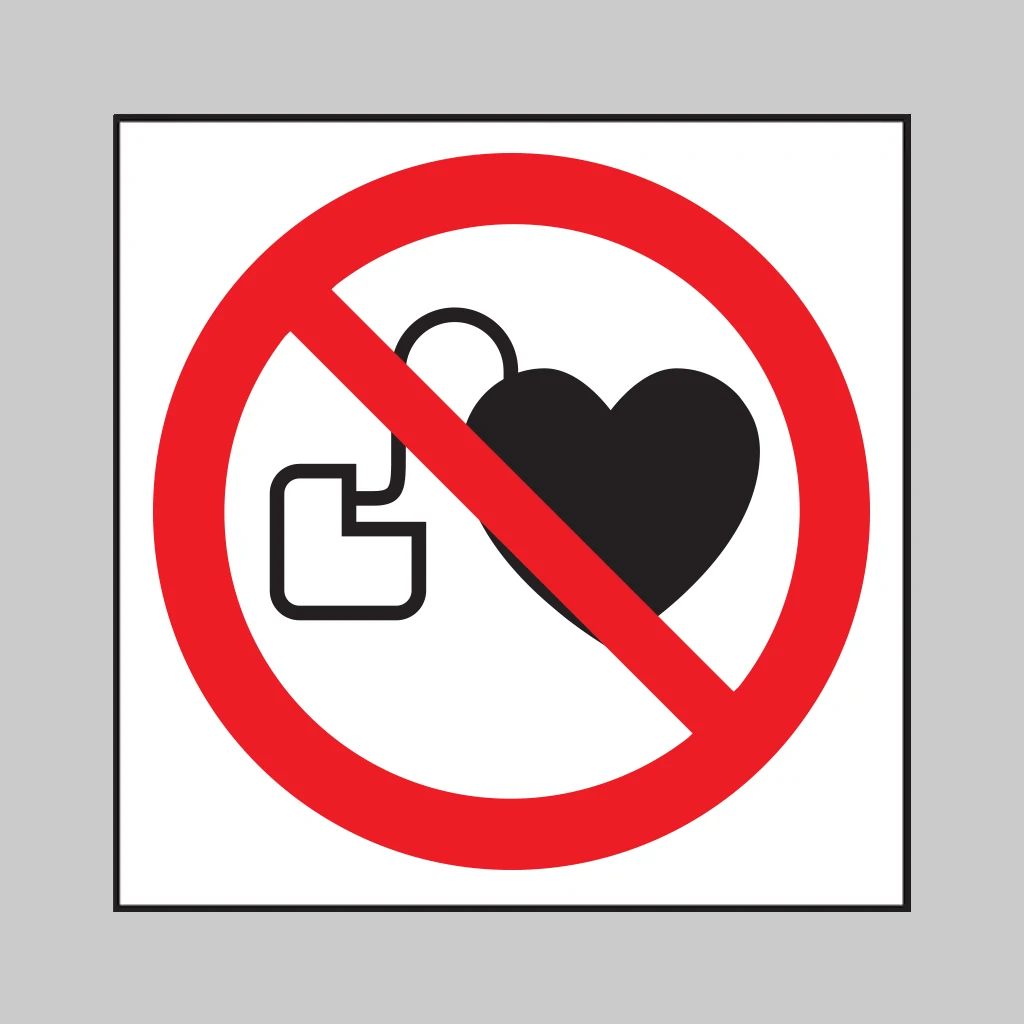
P007 | No Access for People with Cardiac Devices | Prohibits anyone fitted with a pacemaker from entering the marked area. | Displayed in hospitals, laboratories, manufacturing plants, workshops and controlled technical areas. |
|
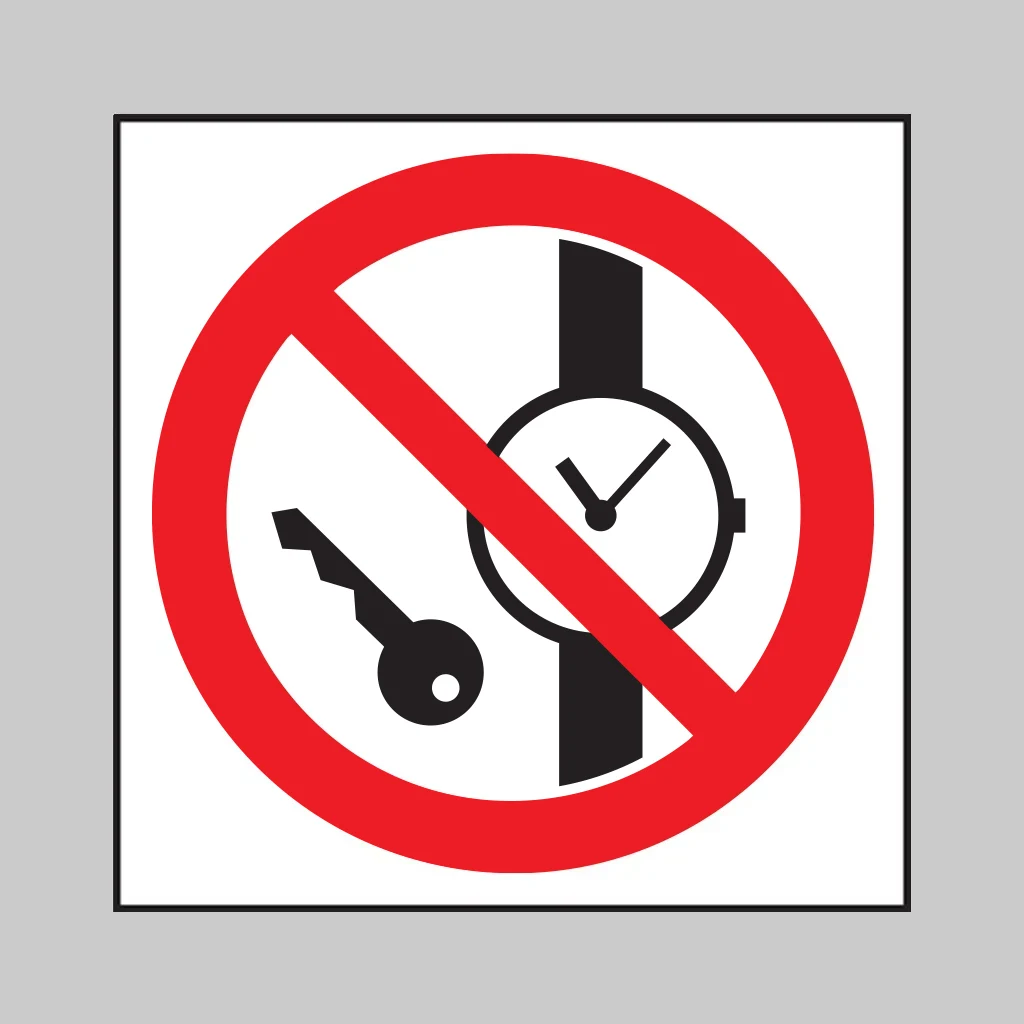
P008 | No metallic articles or watches | Watches, jewellery, keys, tools and other metal objects must not be taken into a designated area. | Displayed in hospitals, laboratories, manufacturing plants, workshops and controlled technical areas. |
|
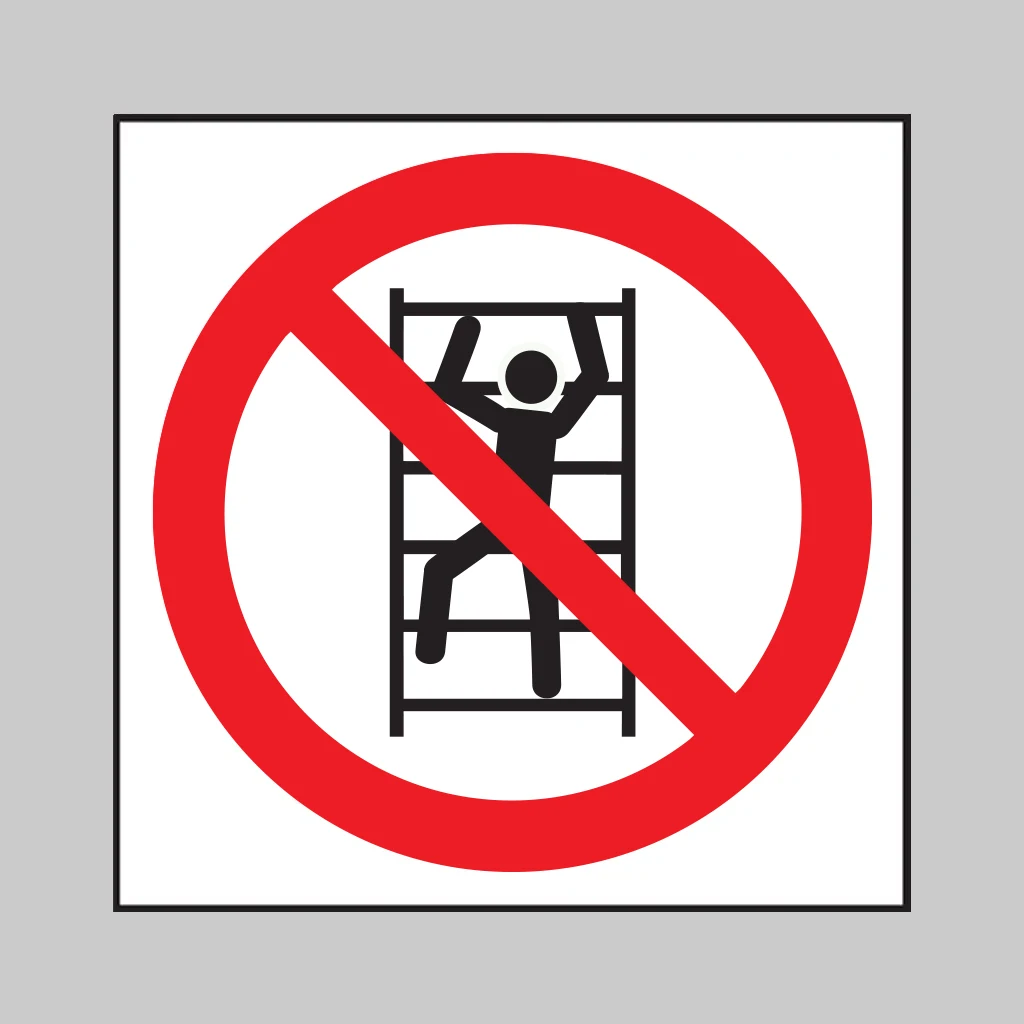
P009 | No climbing | Prohibits people from climbing on, over or up the marked structure. | Displayed on fences, storage racks, scaffolding, machinery, towers, roofs and gates |
|
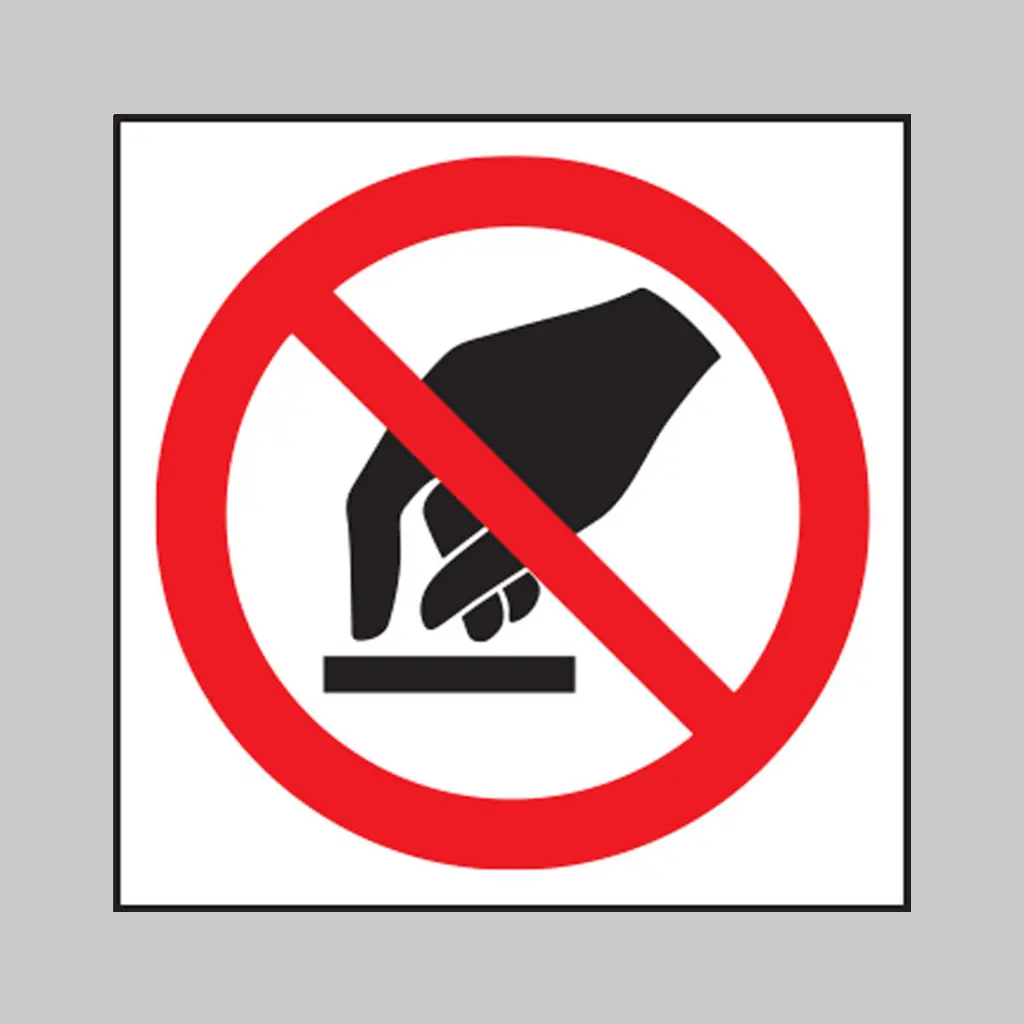
P010 | Do Not Touch | Prohibits people from making physical contact with the marked object, surface or piece of equipment. | Displayed on machinery, electrical equipment, hot surfaces, laboratory apparatus, control panels, fragile items |
|
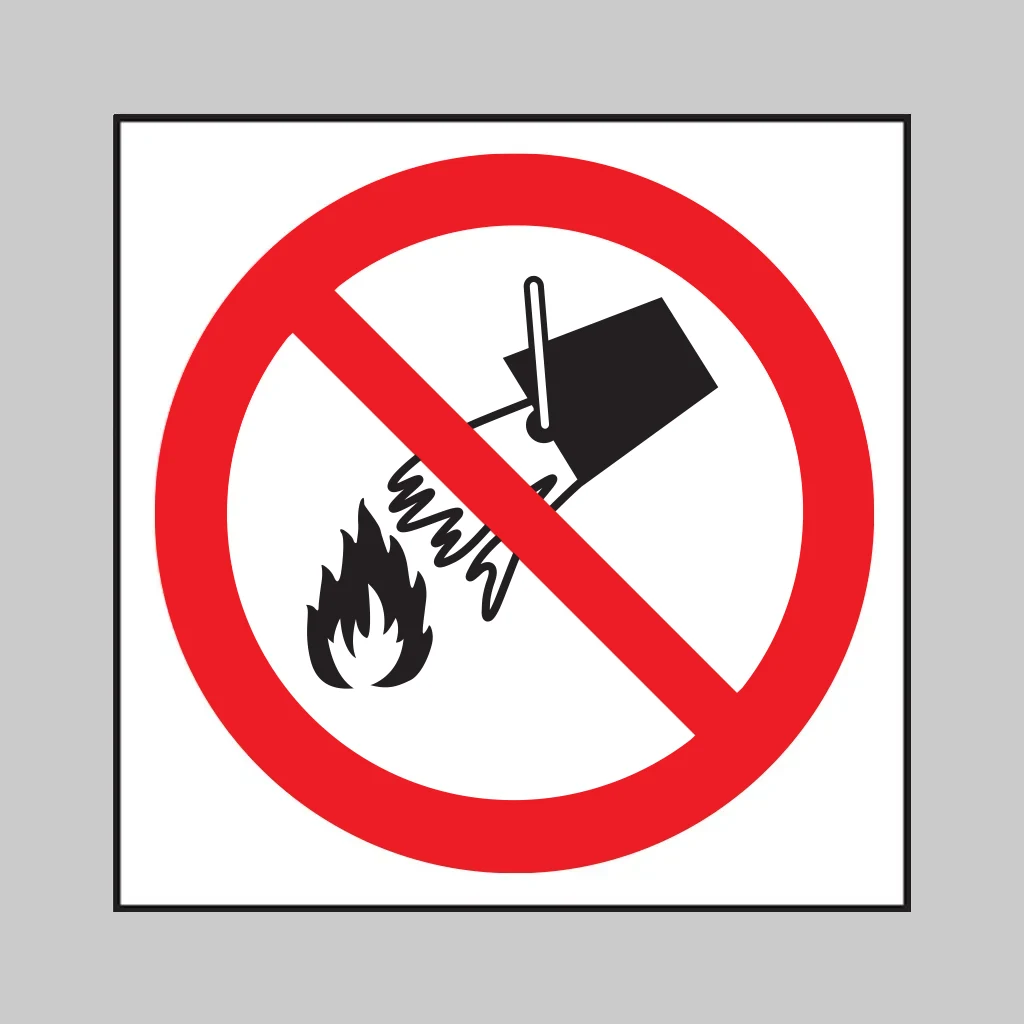
P011 | Do not extinguisher with water | Prohibits . | Hospitals, . |
|
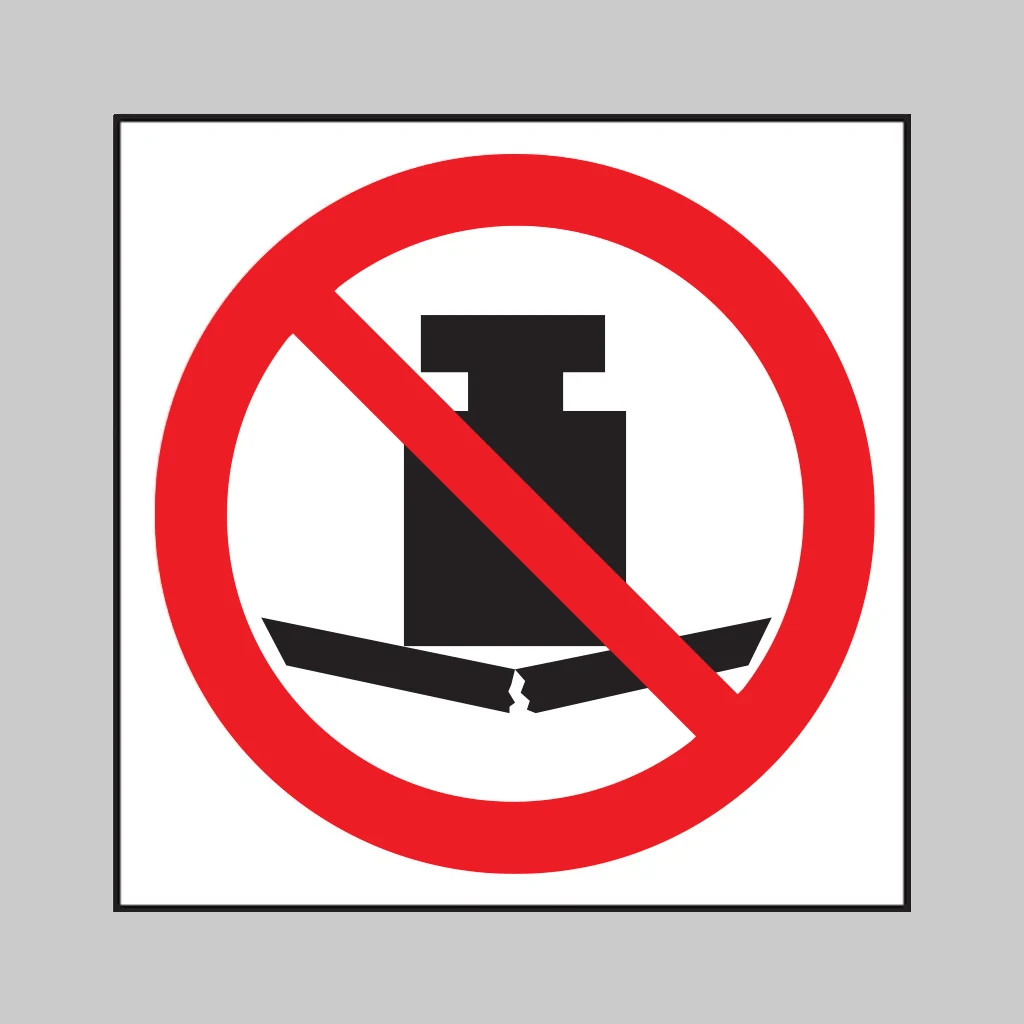
P012 | No heavy load | Prohibits . | Hospitals, . |
|
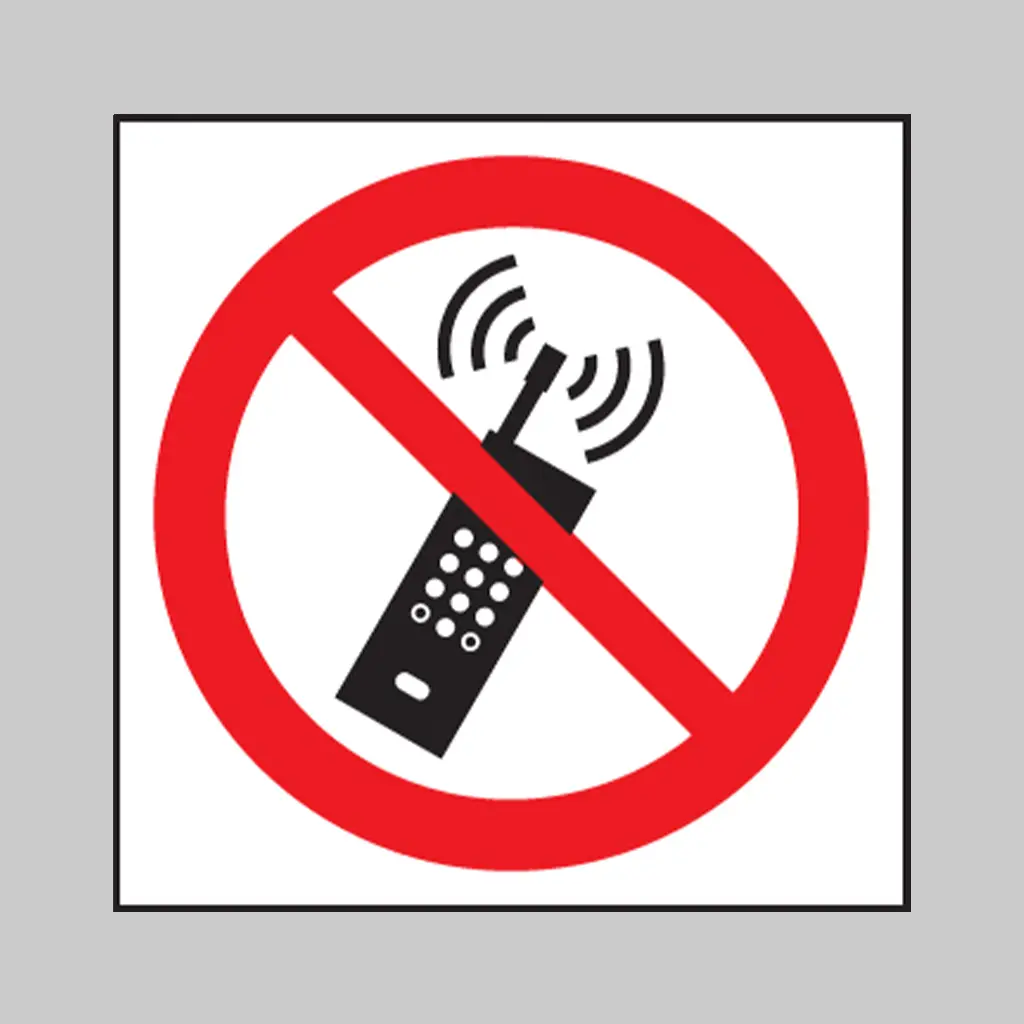
P013 | No Activated Mobile Phones | Mobile phones must not be switched on or used within the designated area | Displayed in hospitals, laboratories, aircraft, explosive atmospheres, examination rooms and secure facilities. |
|
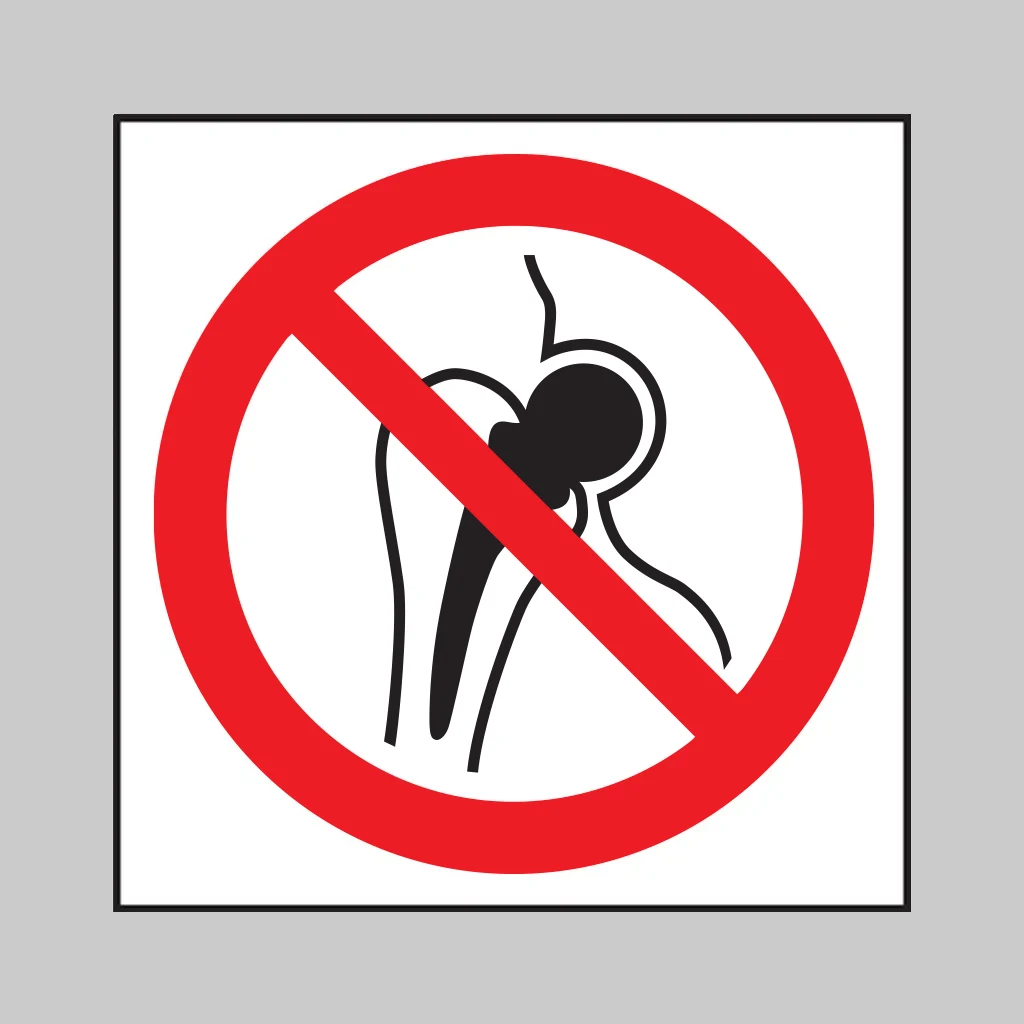
P014 | No access for people with metallic implants | Ho | Displayed in hospitals, laboratories, manufacturing plants, workshops and controlled technical areas. |
|
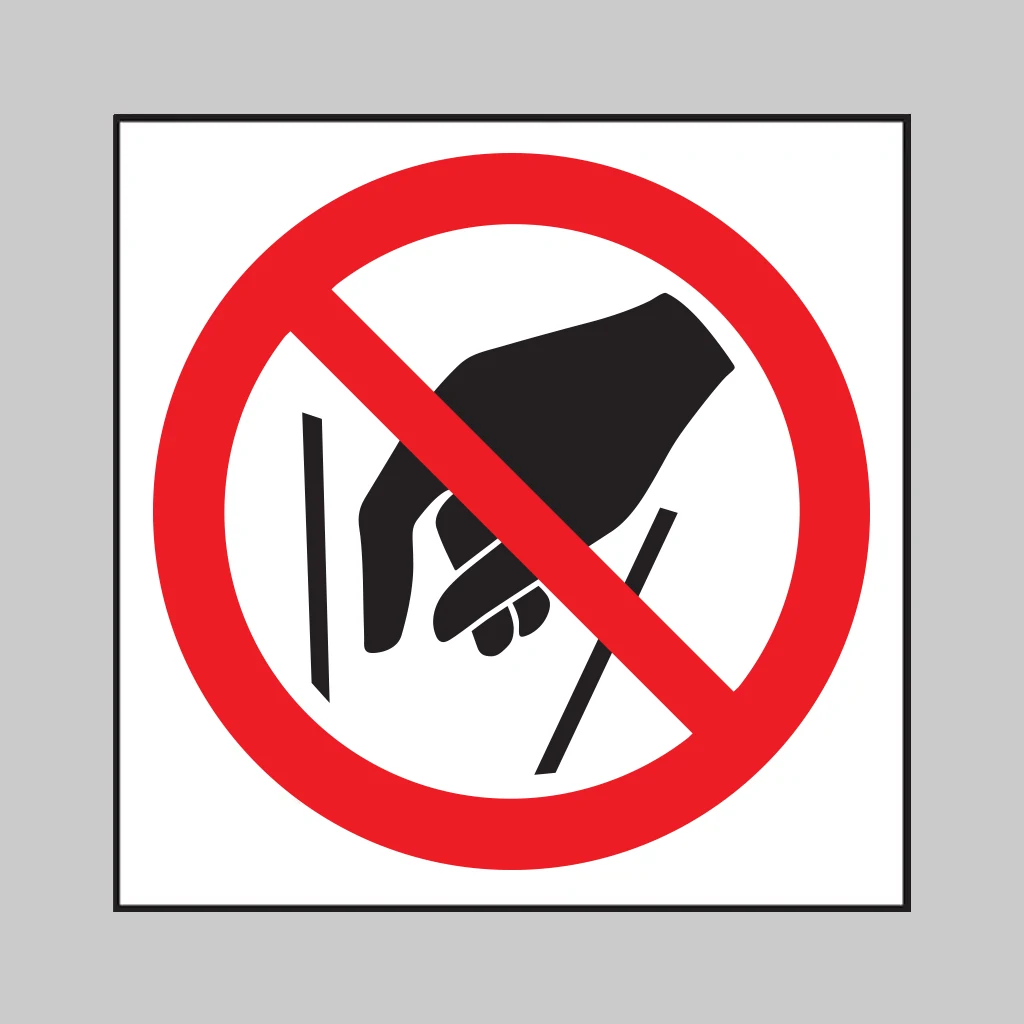
P015 | No Reaching In | Prohibits people from placing hands, arms and other body parts inside a marked opening or hazardous space. | Displayed on industrial machines, conveyors, presses, guards, access panels and processing equipment |
|
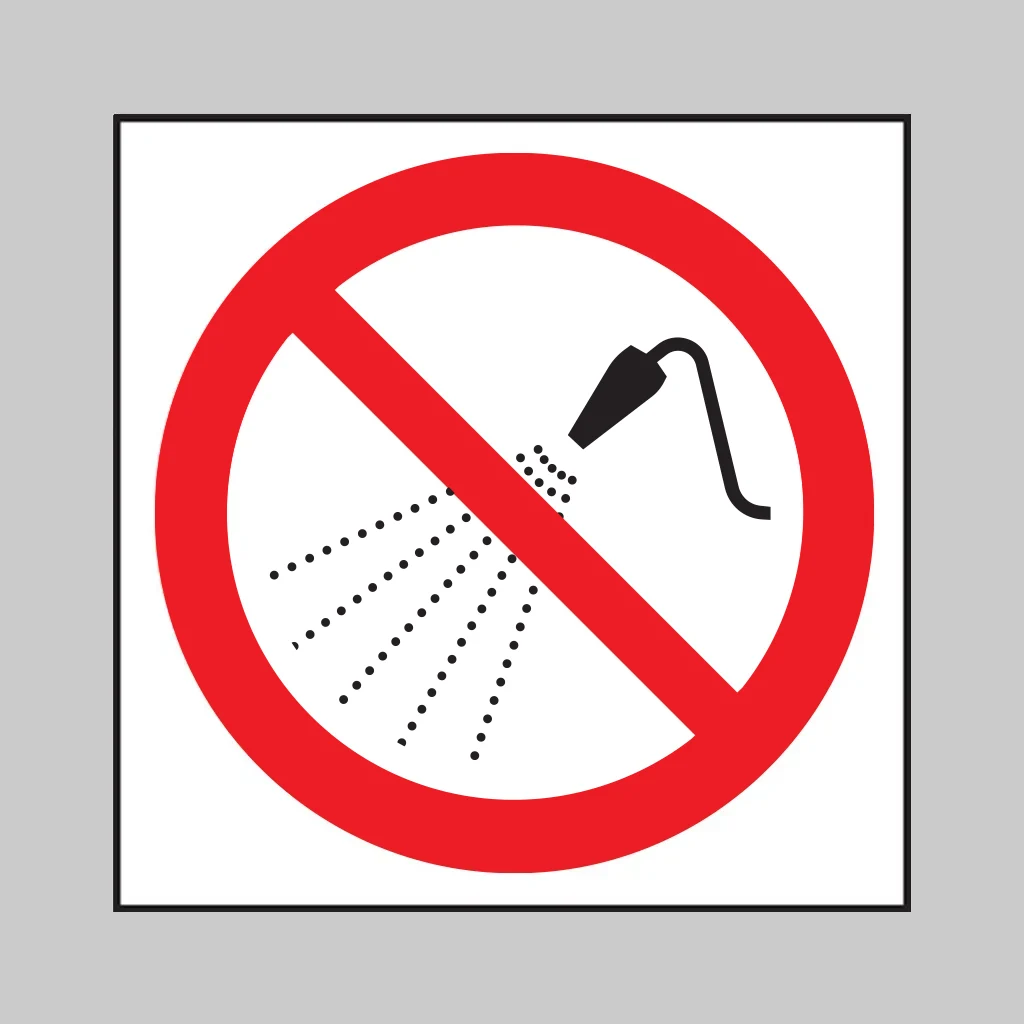
P016 | Do not spray with water | Prohibits . | Hospitals, . |
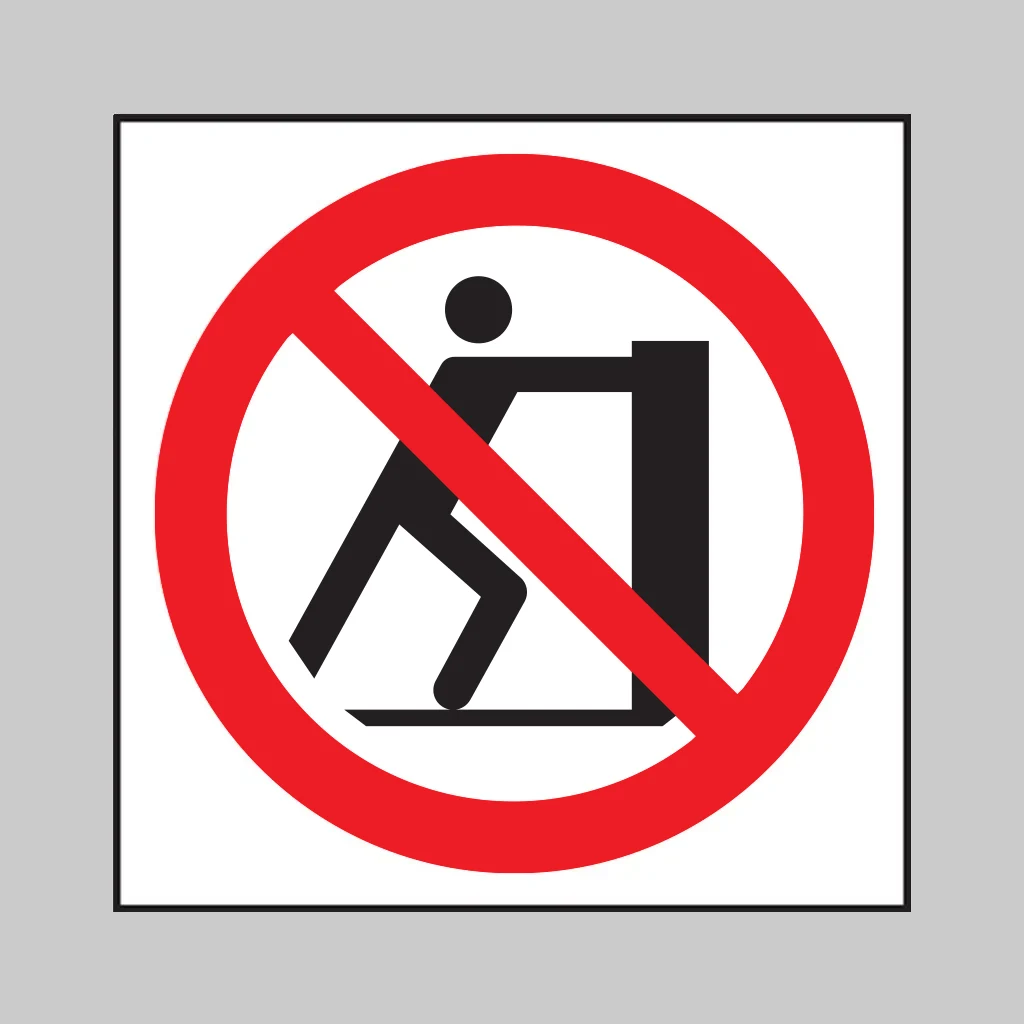
|
P017 | No pushing | Prohibits . | Hospitals, . |
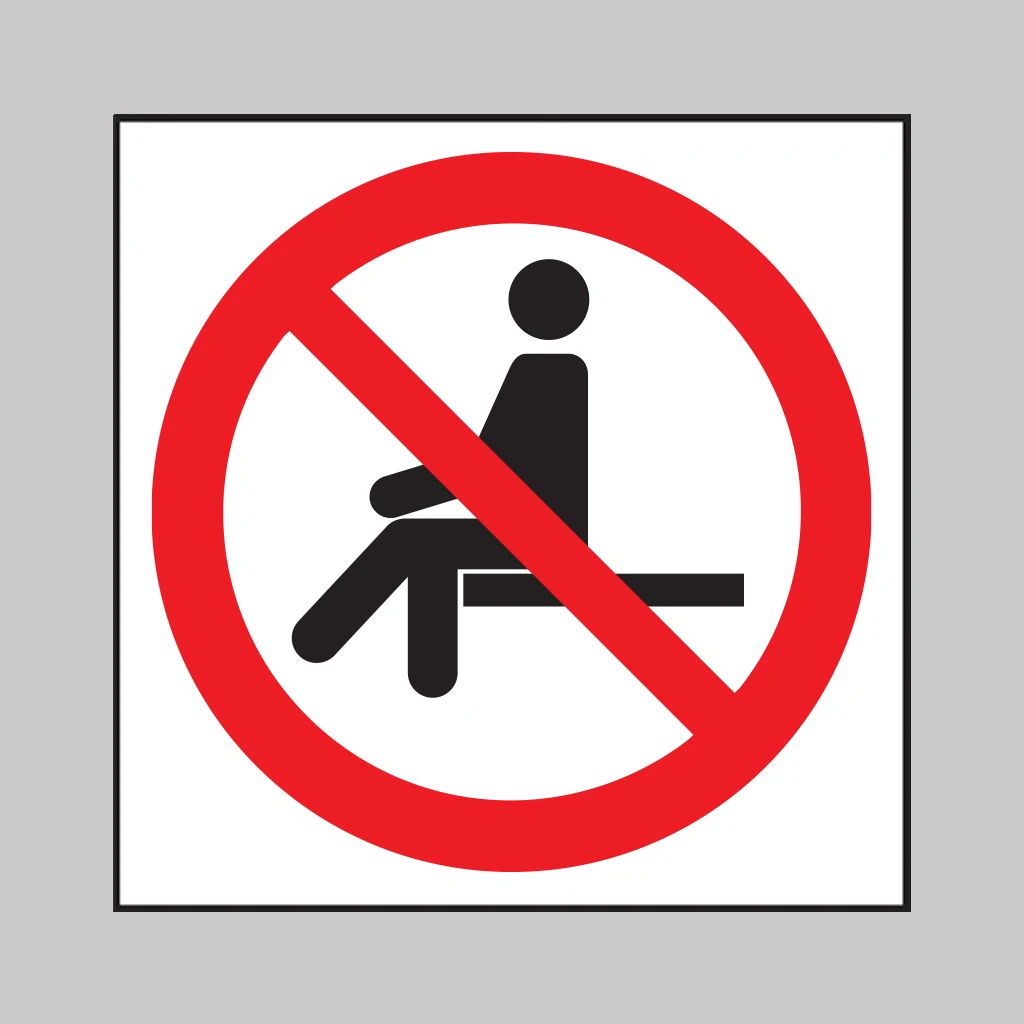
|
P018 | No sitting | Prohibits people from using the marked surface, structure or area as a seat. | Displayed on machinery, barriers, storage units, ledges, conveyors, handrails and work surfaces. |
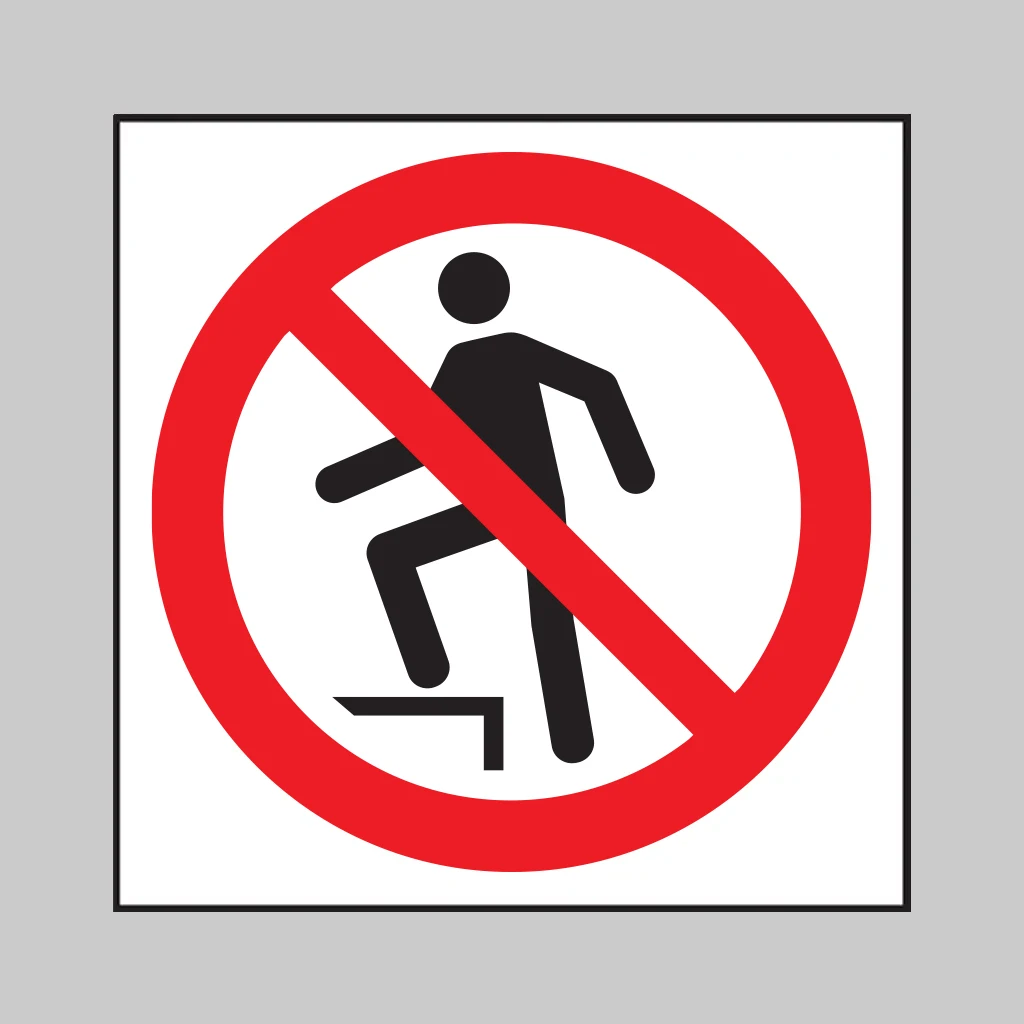
|
P019 | No Stepping on Surface | Prohibits people from standing, walking or placing their weight on the marked area. | Displayed on fragile roofs, skylights, machine covers, equipment panels, storage units, ducts and platforms. |
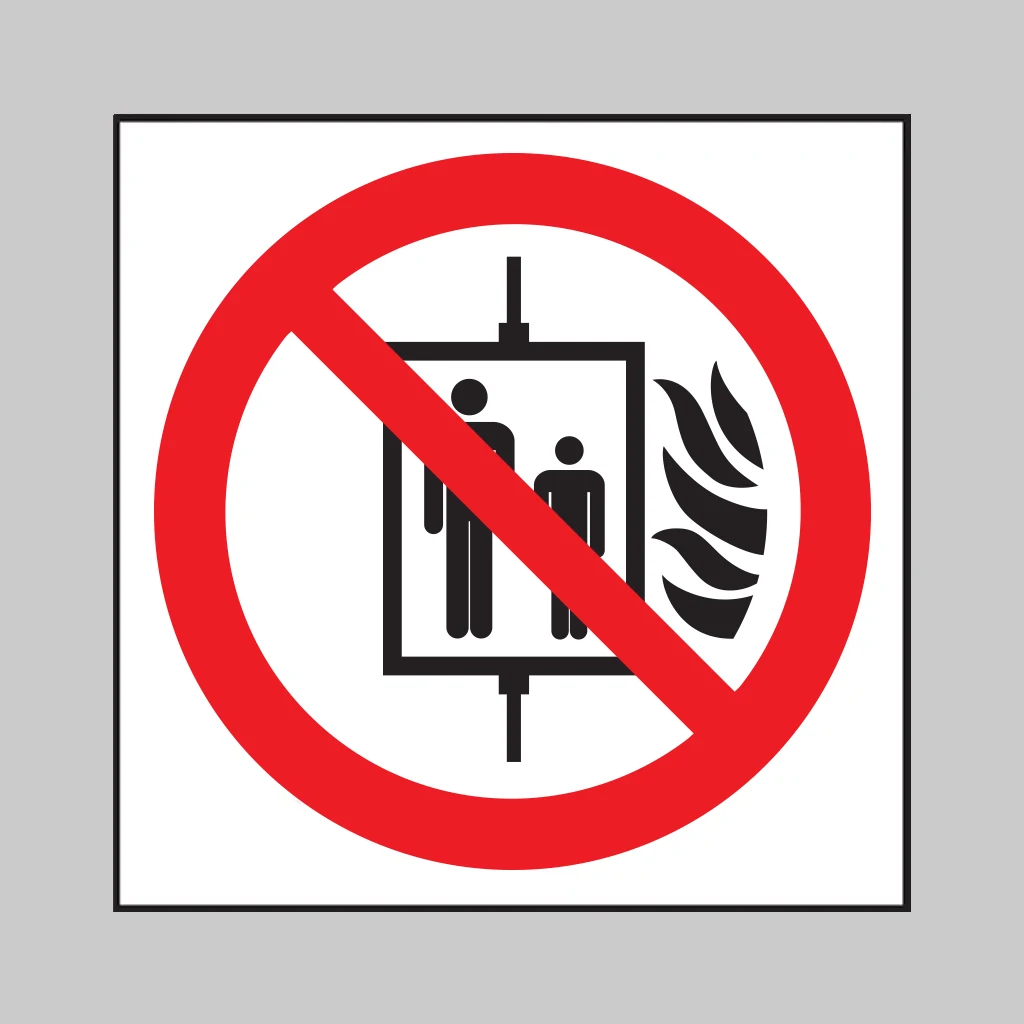
|
P020 | Do Not Use Lift in the Event of Fire | Prohibits the use of the lift during a fire or when the fire alarm is sounding. | Displayed in any building with a lift. |
|
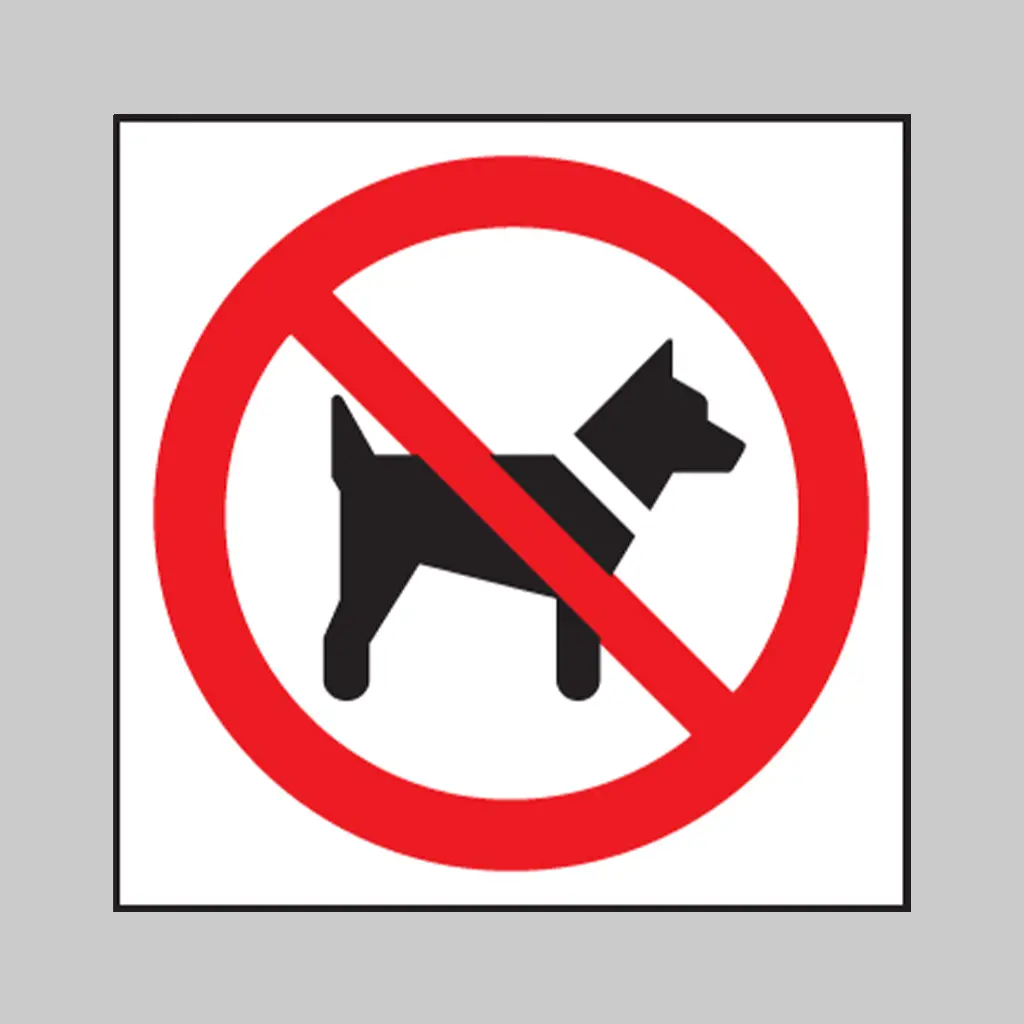
P021 | No Dogs | Dogs are not permitted to enter or remain within a marked area. | Displayed in food-production areas, children’s play spaces, sports grounds, nature reserves, beaches and agricultural land |
|
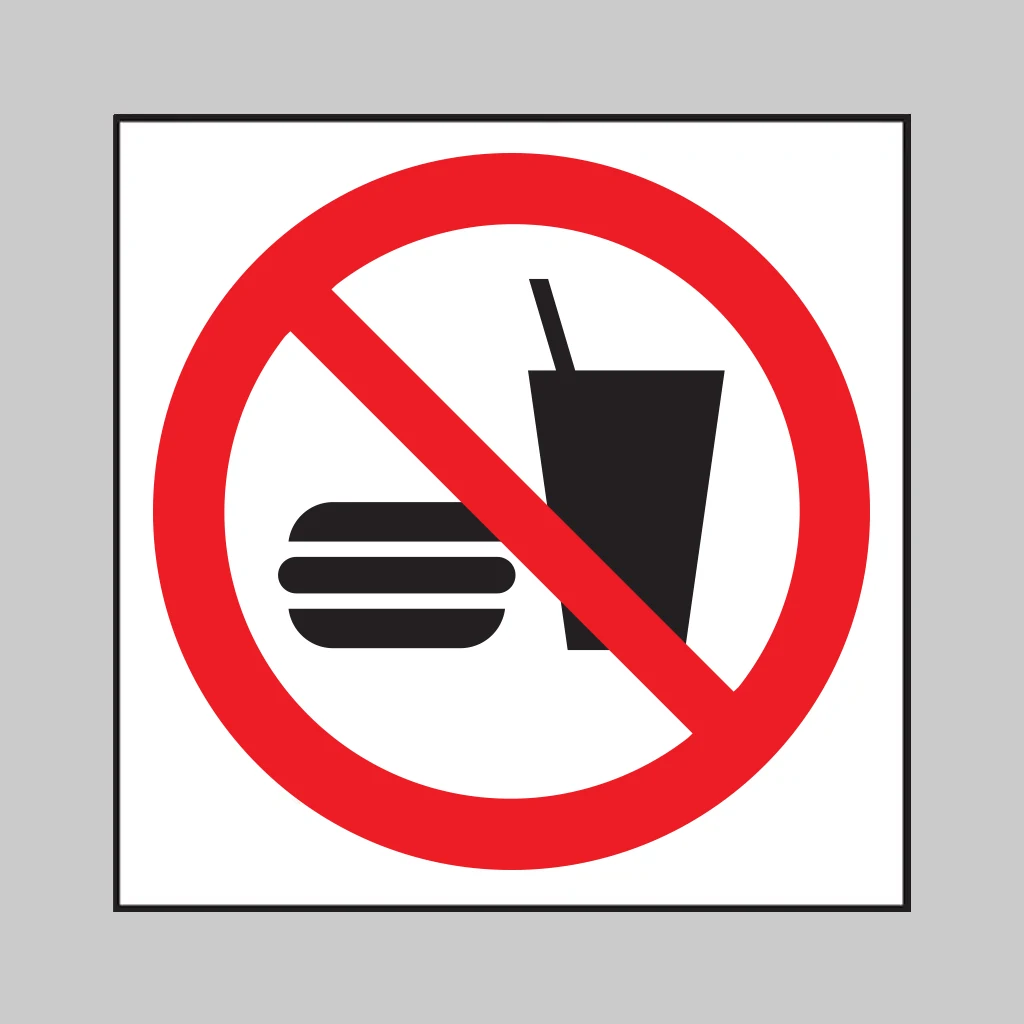
P022 | No Eating or Drinking | Prohibits food and beverages from being consumed in the designated area. | Displayed in hospitals, laboratories, manufacturing areas, clean rooms, workshops, medical facilities and storage zones. |
|
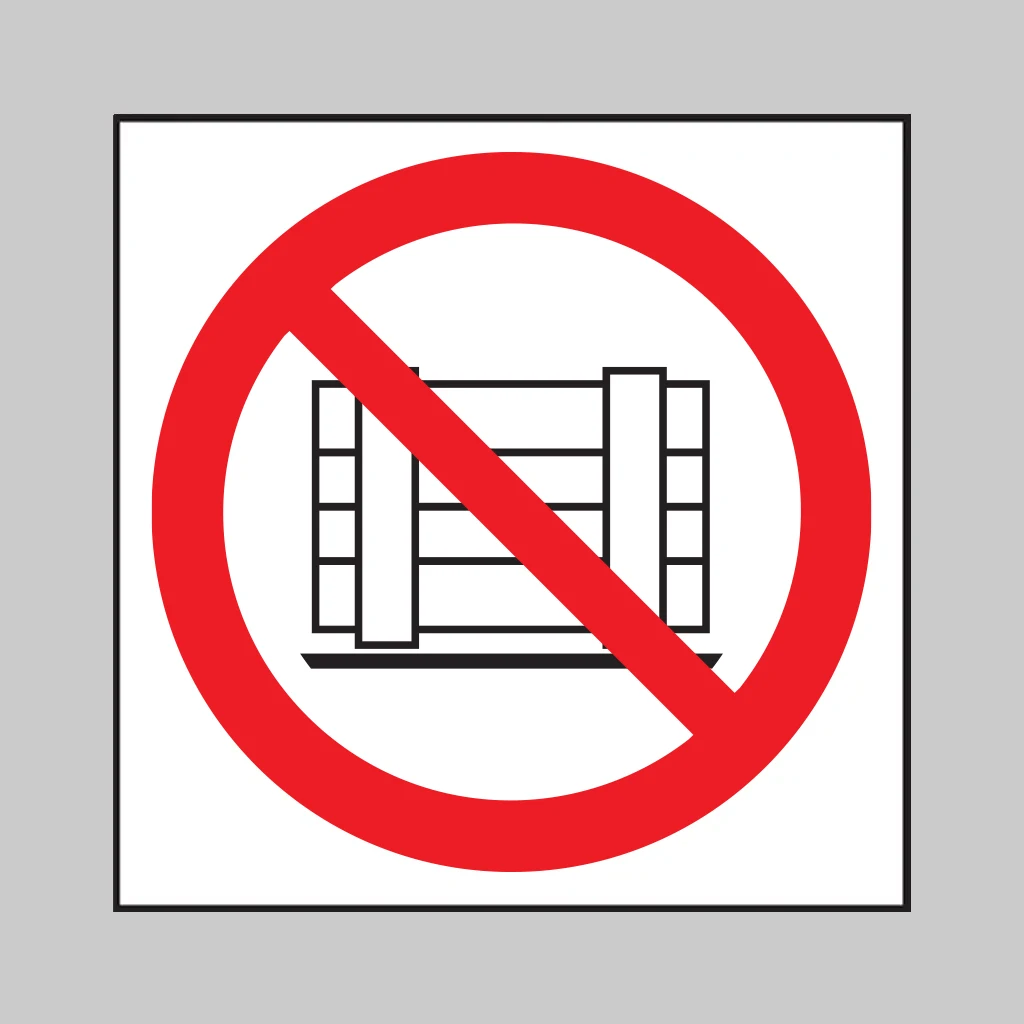
P023 | Do Not Obstruct | Marked routes, doorways, access points or piece of equipment must be kept clear at all times | Displayed near fire exits, escape routes, emergency equipment, electrical panels, loading areas, access doors. |
|
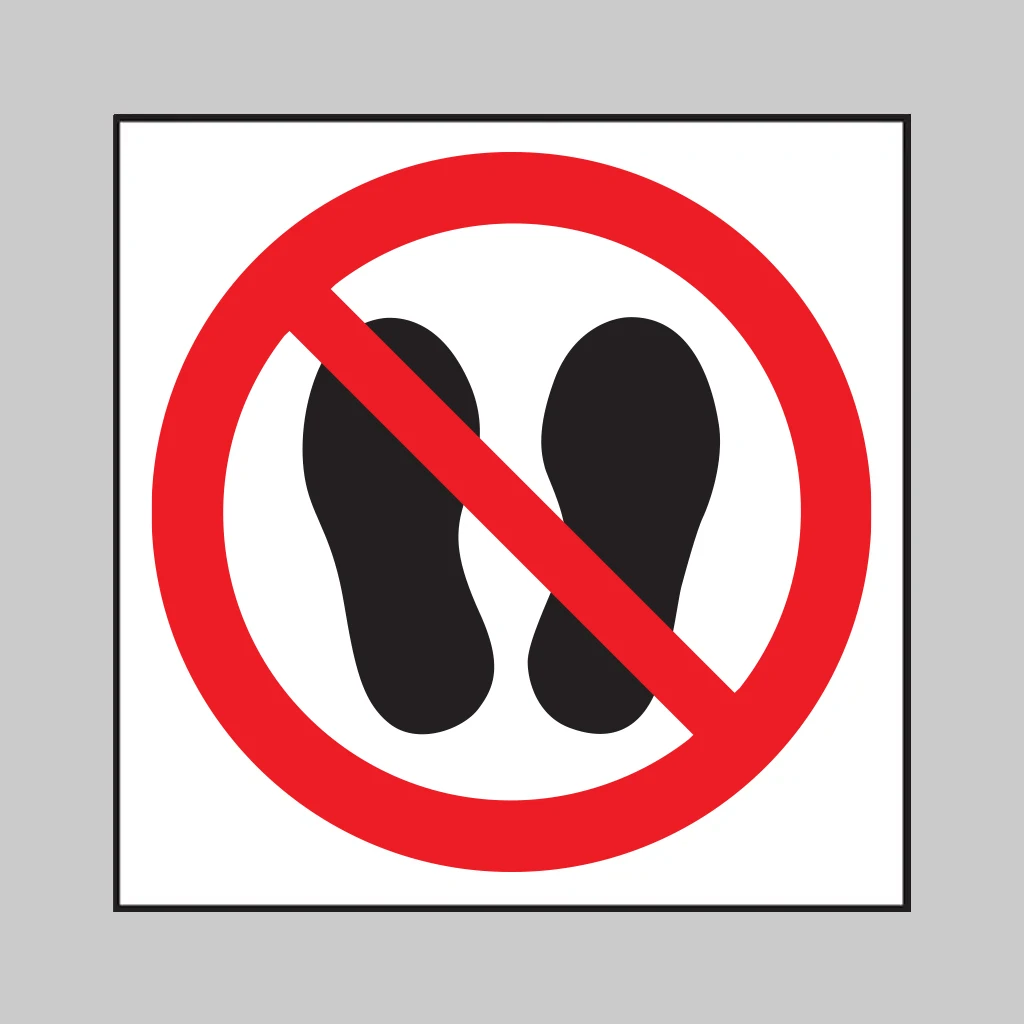
P024 | Do Not Walk or Stand Here | Marks a location that must not be used by pedestrians. | Displayed in warehouses, loading bays, factories, construction sites, workshops and transport areas. |
|
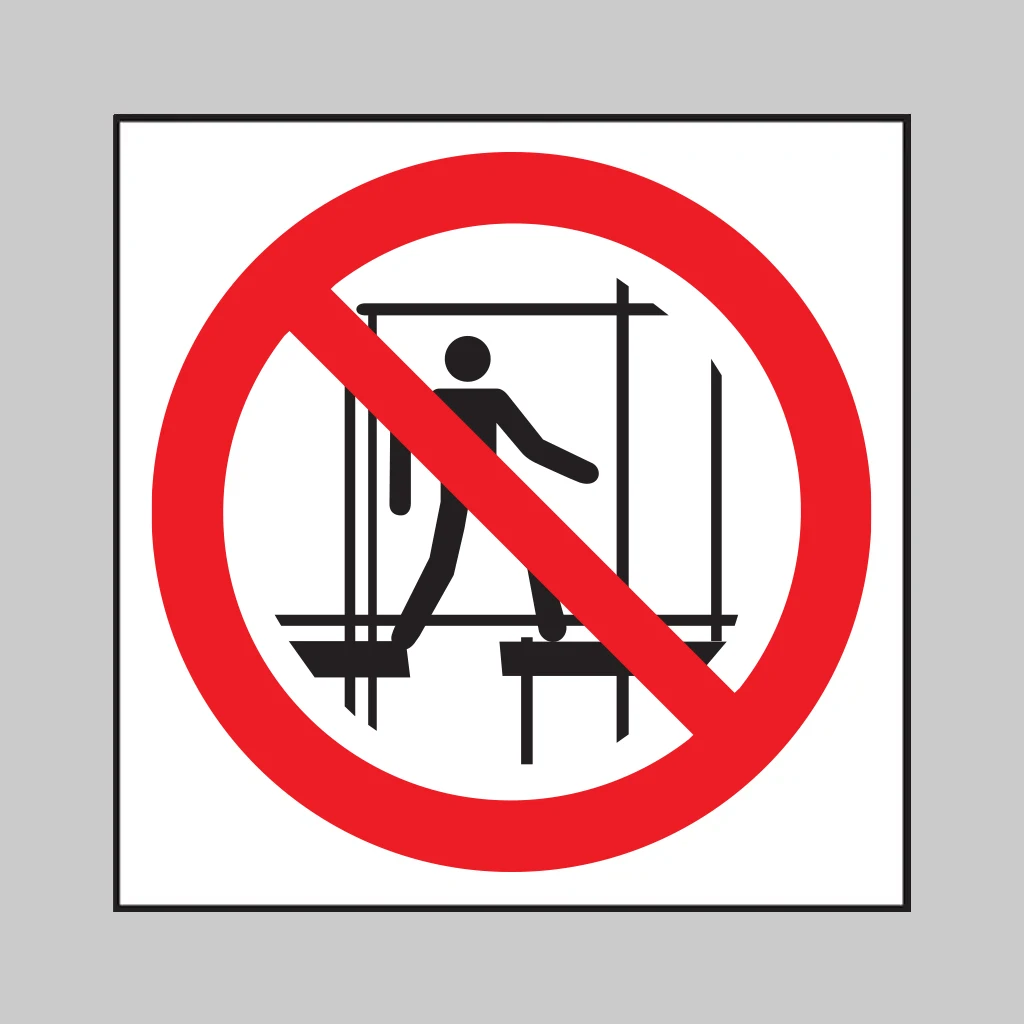
P025 | Do Not Use Incomplete Scaffolding | Scaffold is not ready for access and must not be climbed or used. | Attached to every access point, including ladders, stair towers and ground-level entrances. |
|
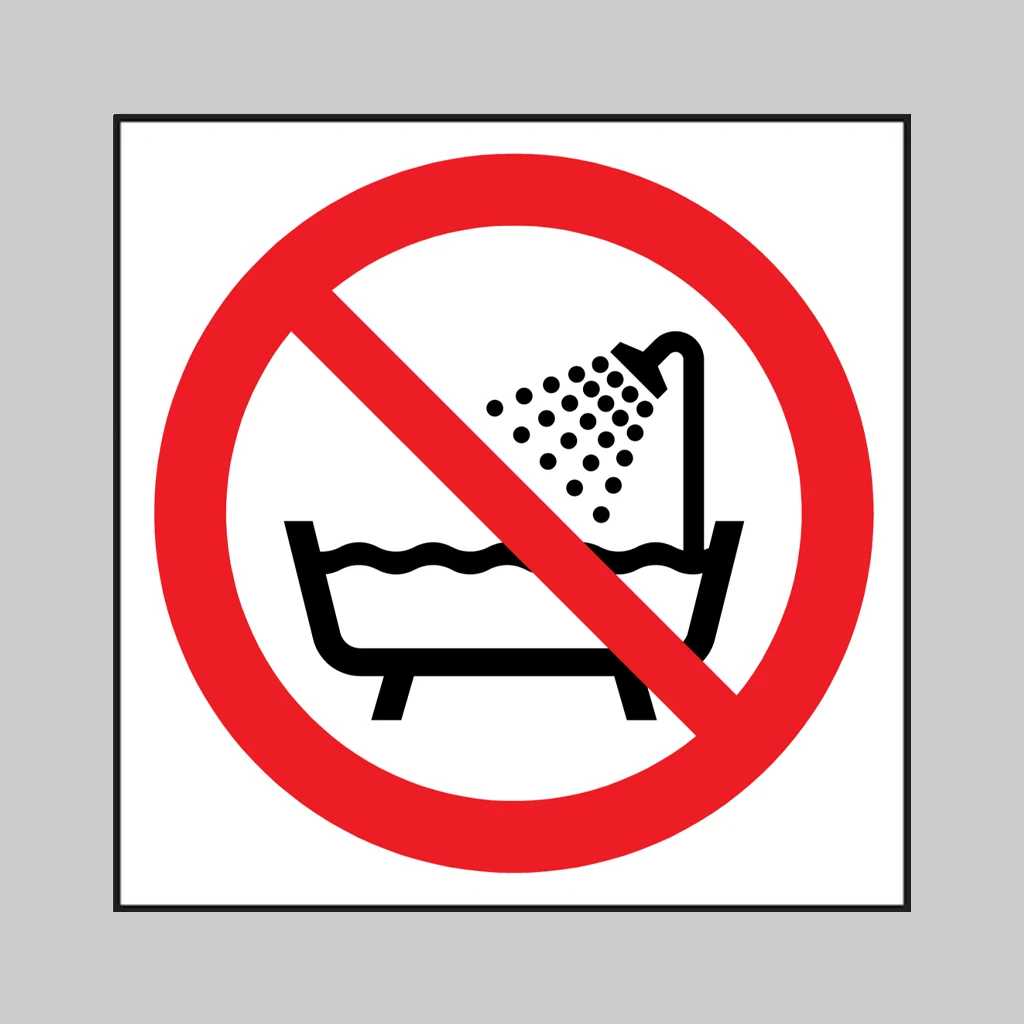
P026 | Do not use this device in a bathtub or shower | Pr. | Ho . |
|
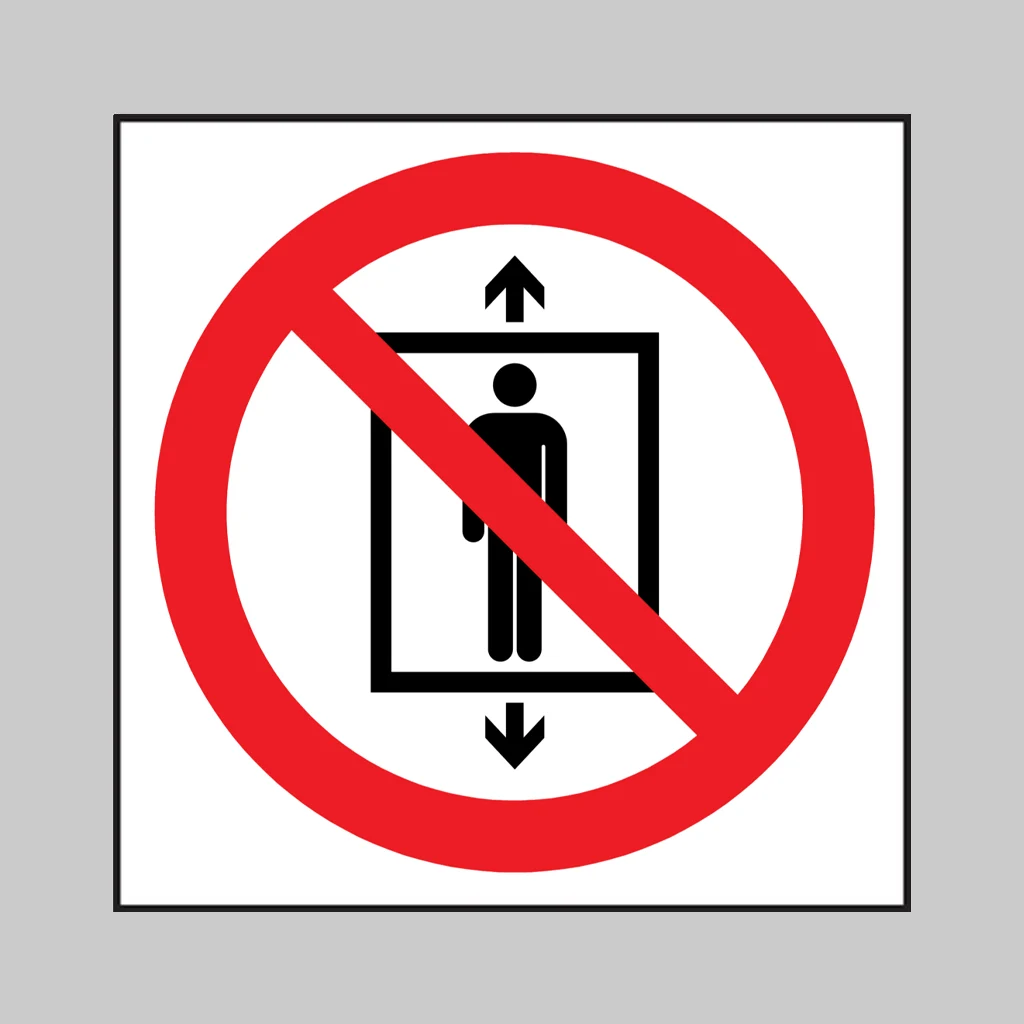
P027 | Do not use this lift for people | P. | H. |
|
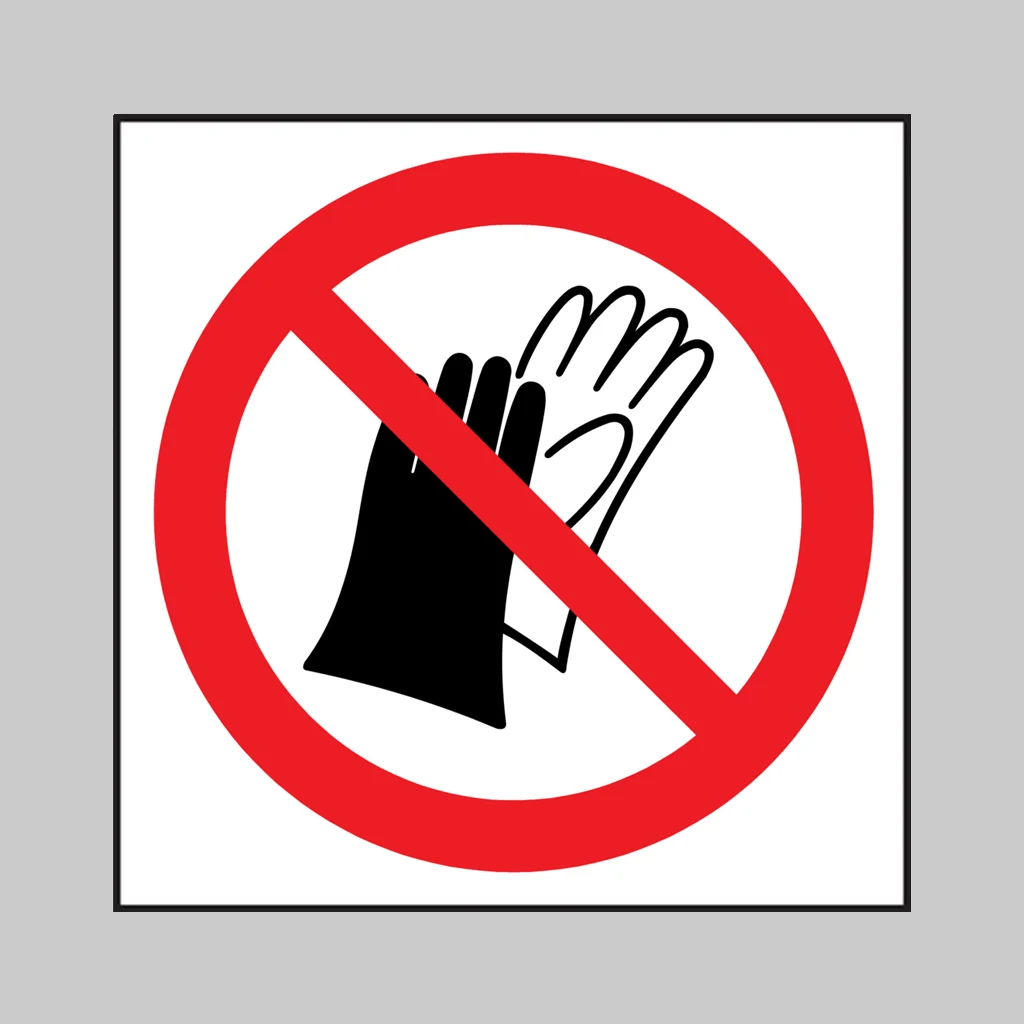
P028 | Do not wear gloves | Pr. | Ho. |
|
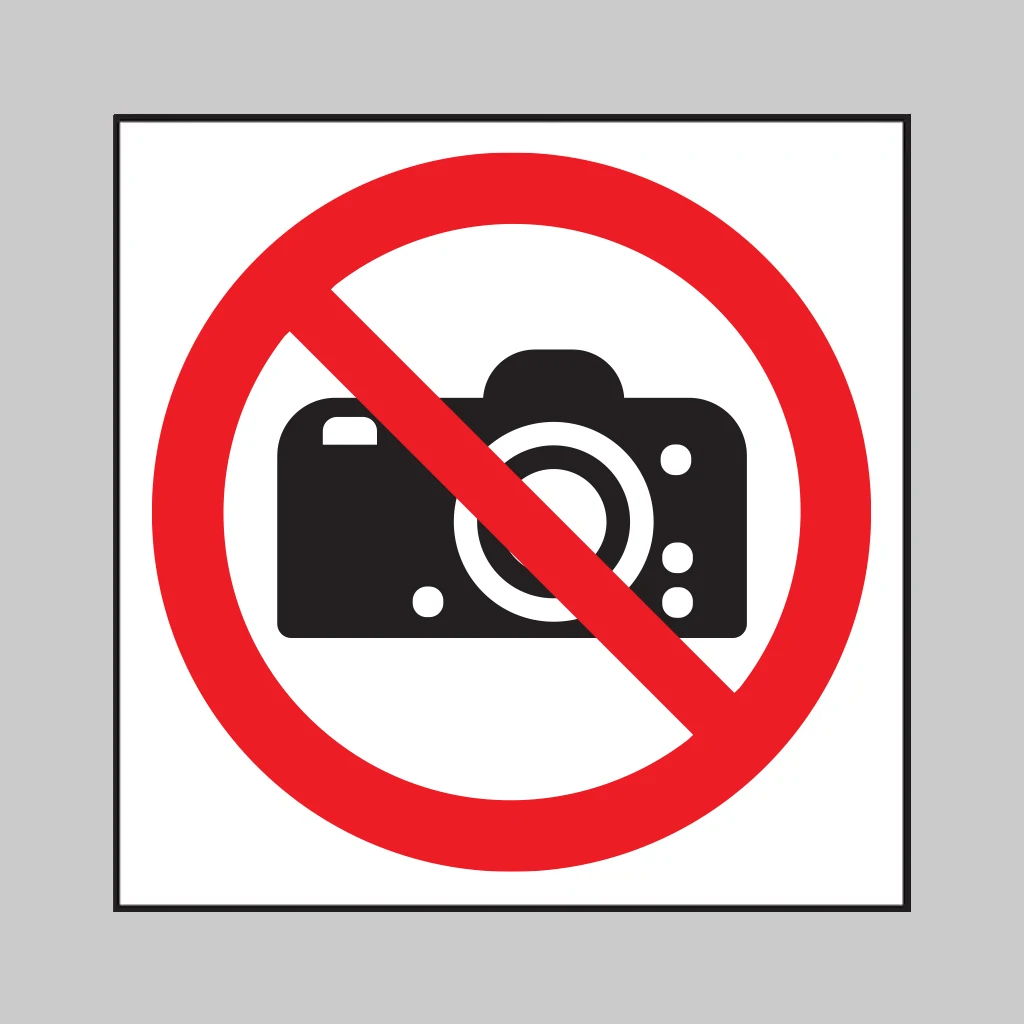
P029 | No photography | Taking photographs is prohibited in the identified area. | Displayed in museums, hospitals, court buildings, swimming pools, gym and changing areas |
|
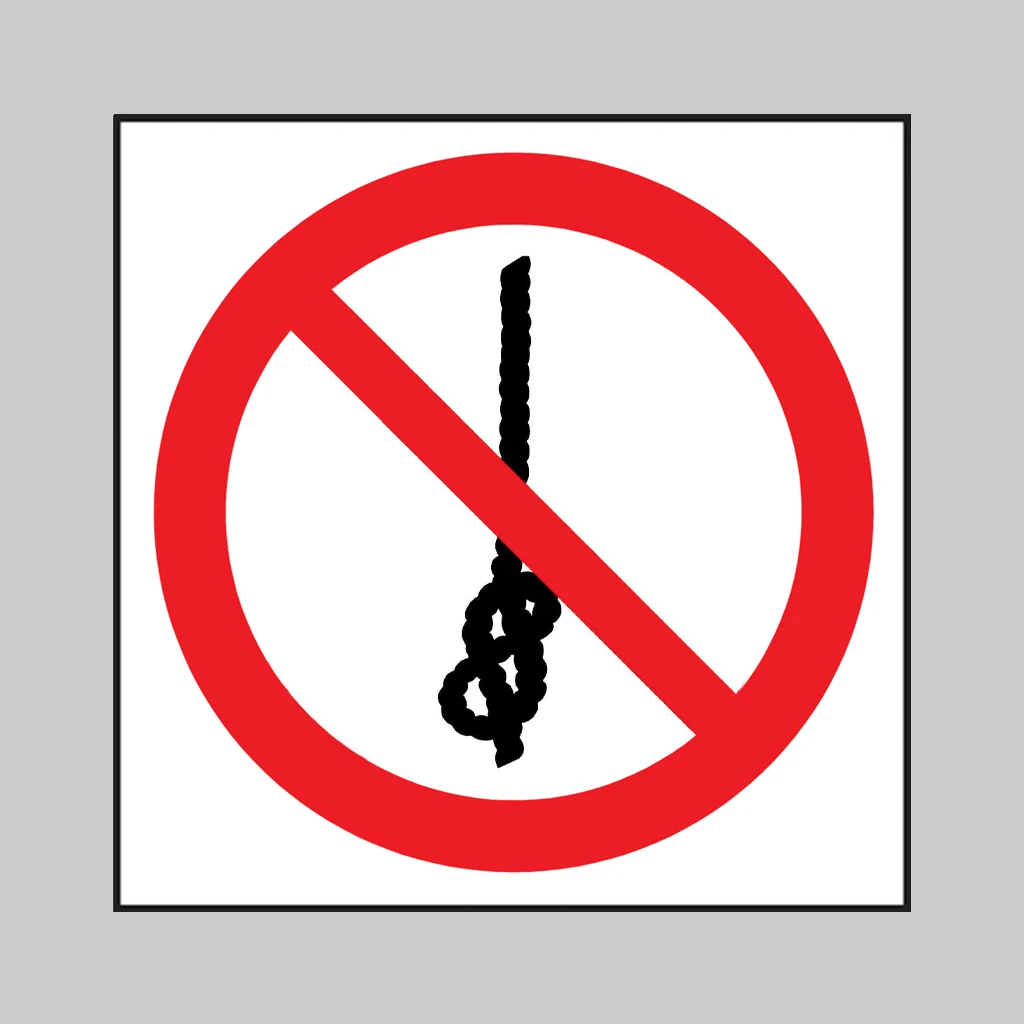
P030 | Do not tie knots in rope | P. | H. |
|
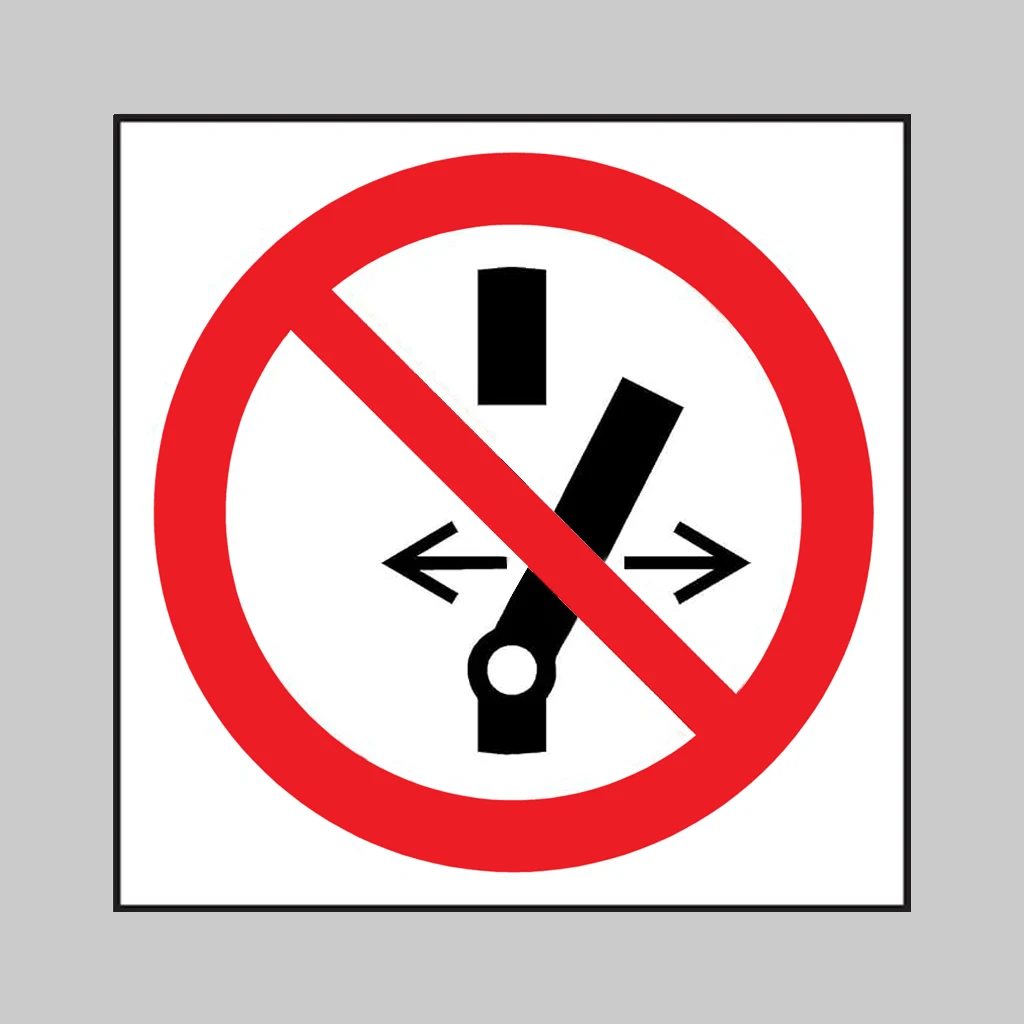
P031 | Do not alter the state of the switch | P | H |
|
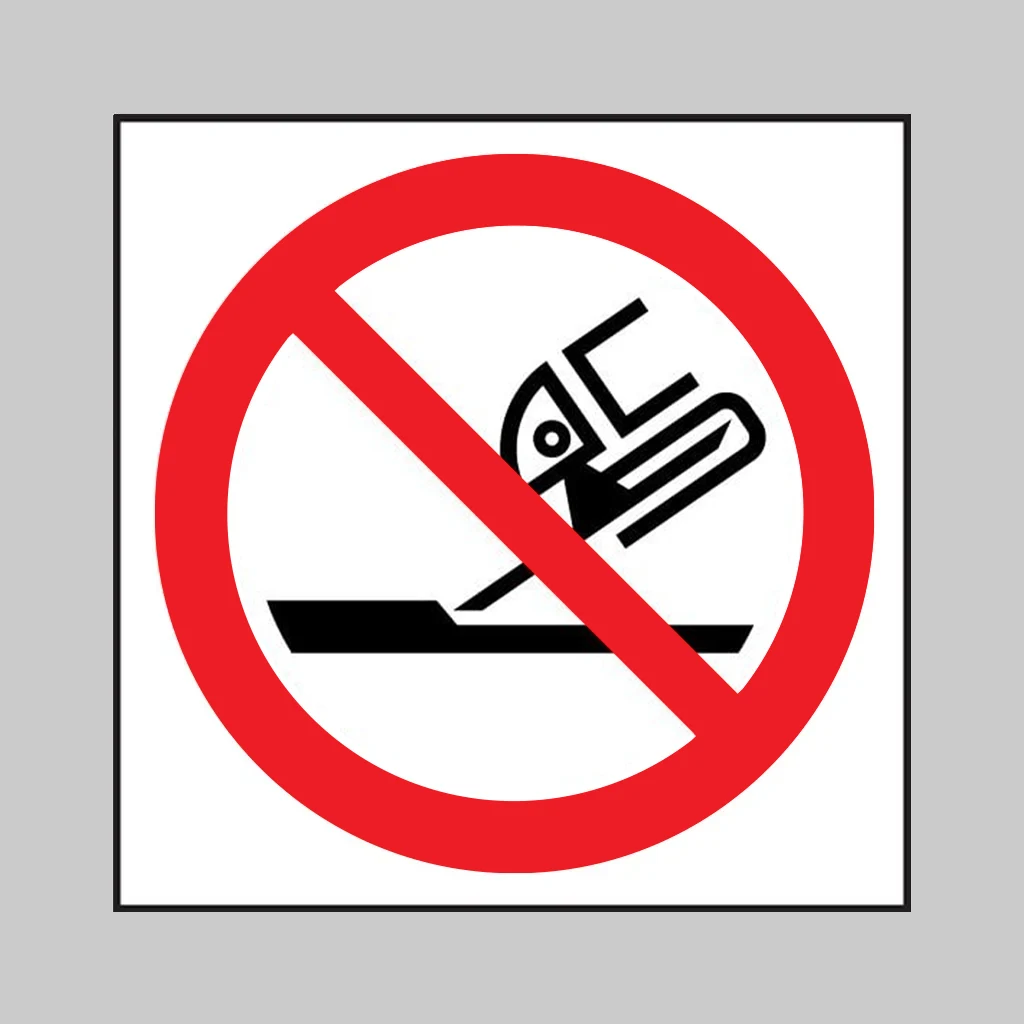
P032 | Do not use for face grinding | P | H |
|
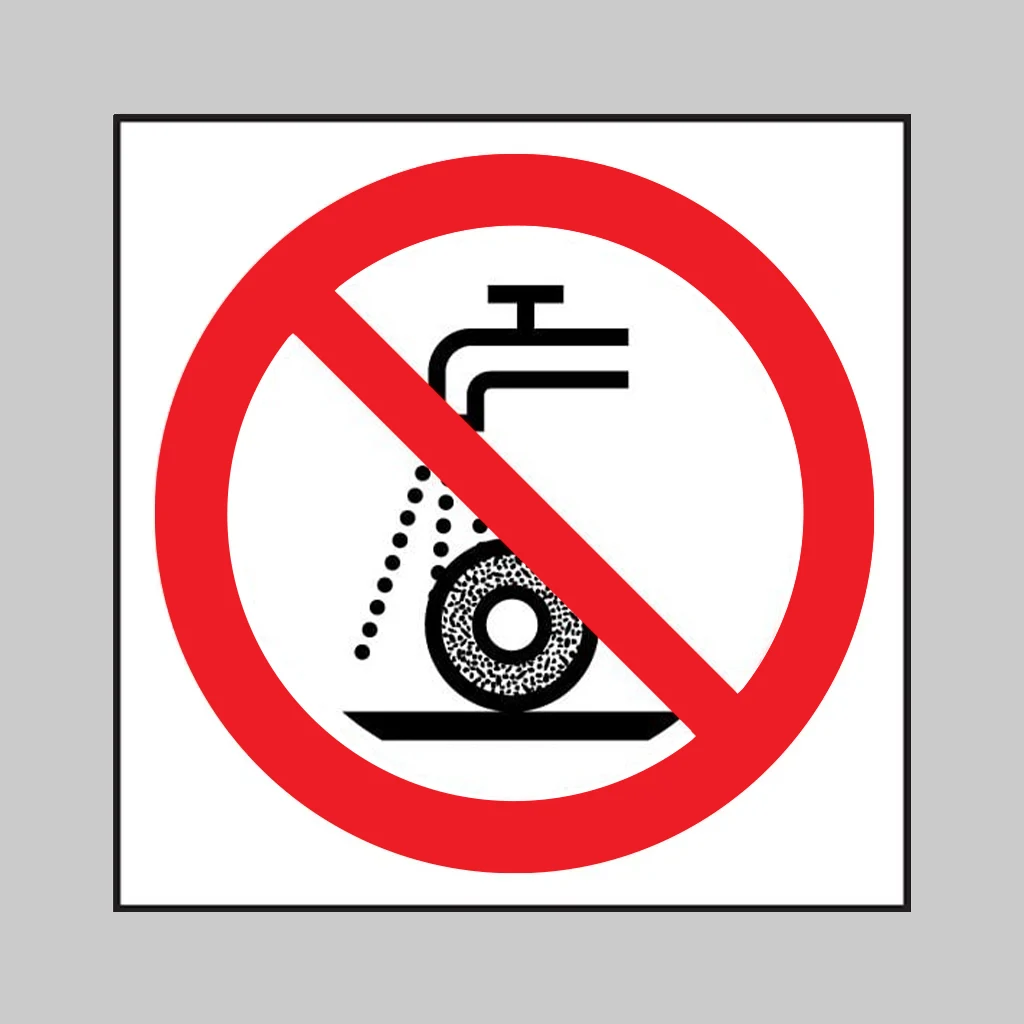
P033 | Do not use for wet grinding | P | H |
|
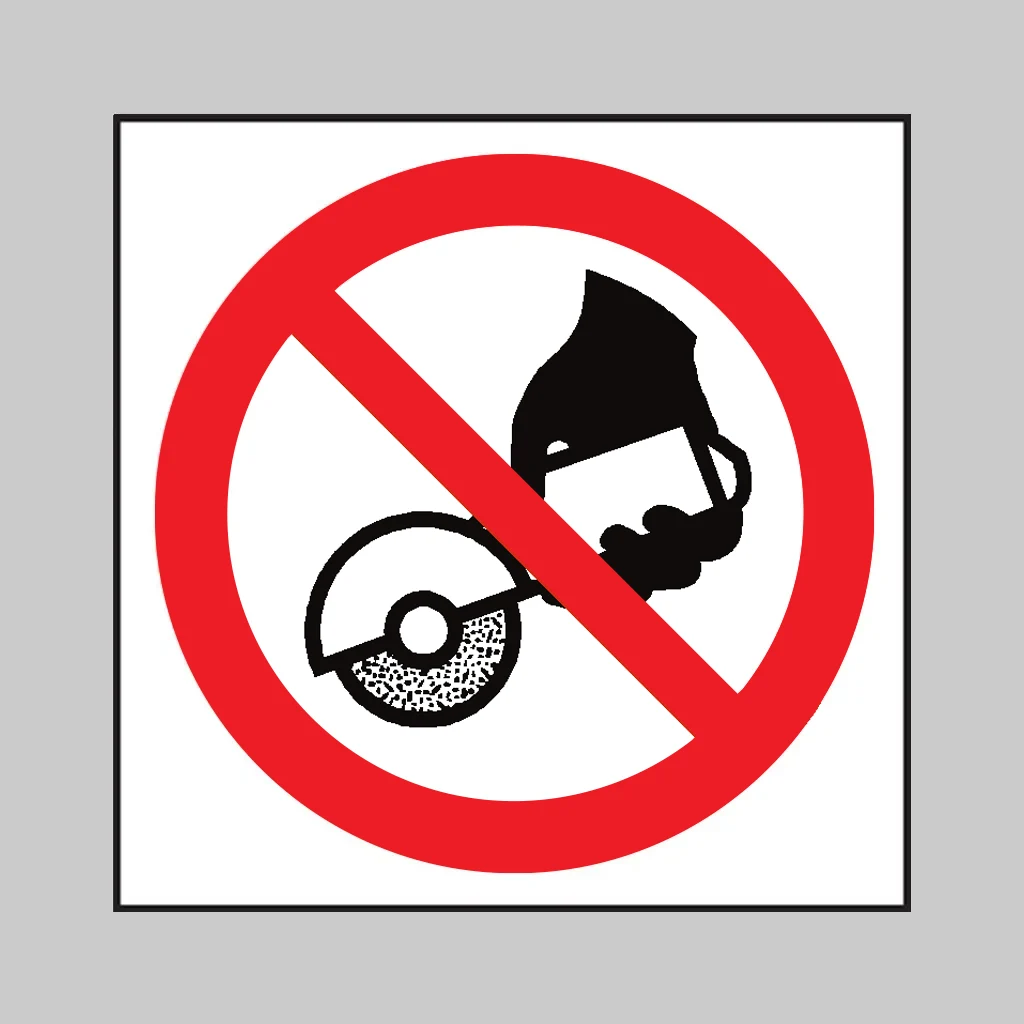
P034 | Do not use with hand-held grinding machine | P. | H. |
|
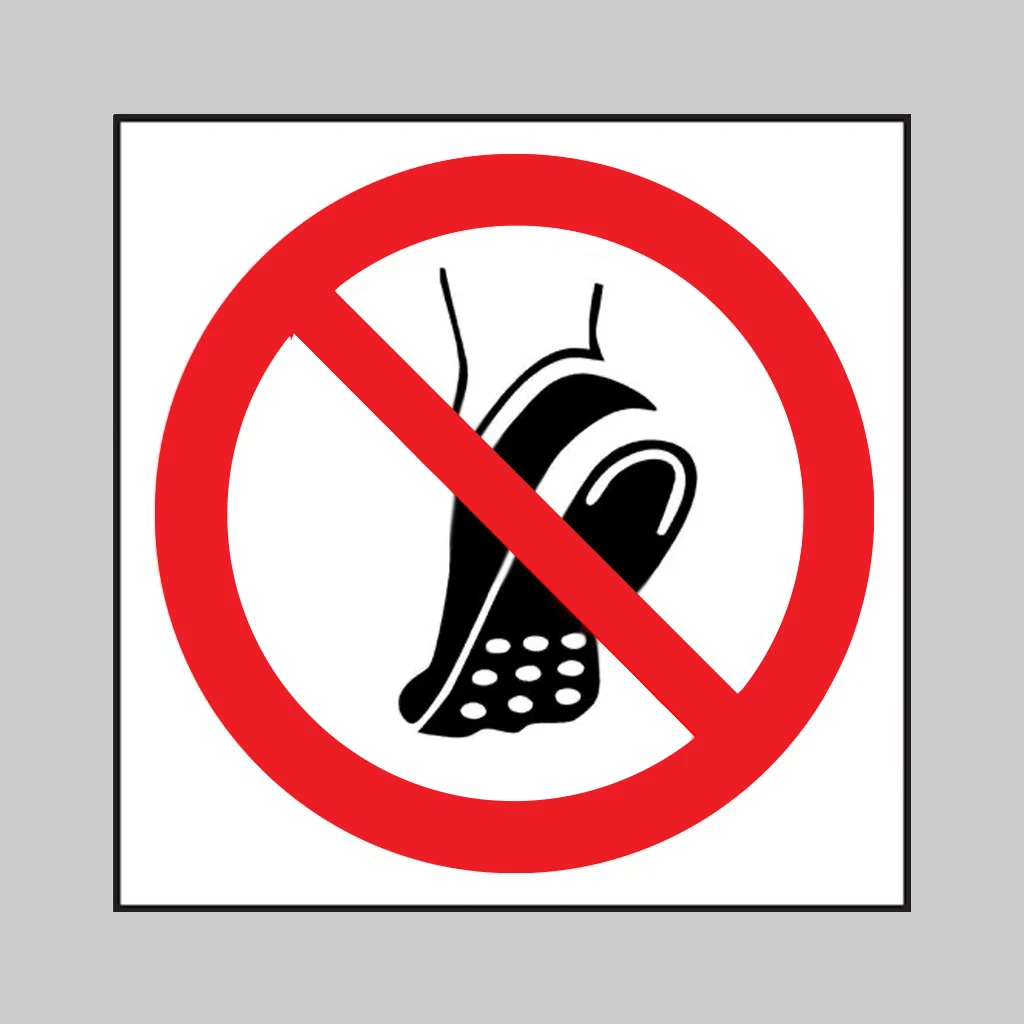
P035 | Do not wear metal-studded footwear | P. | H. |
|
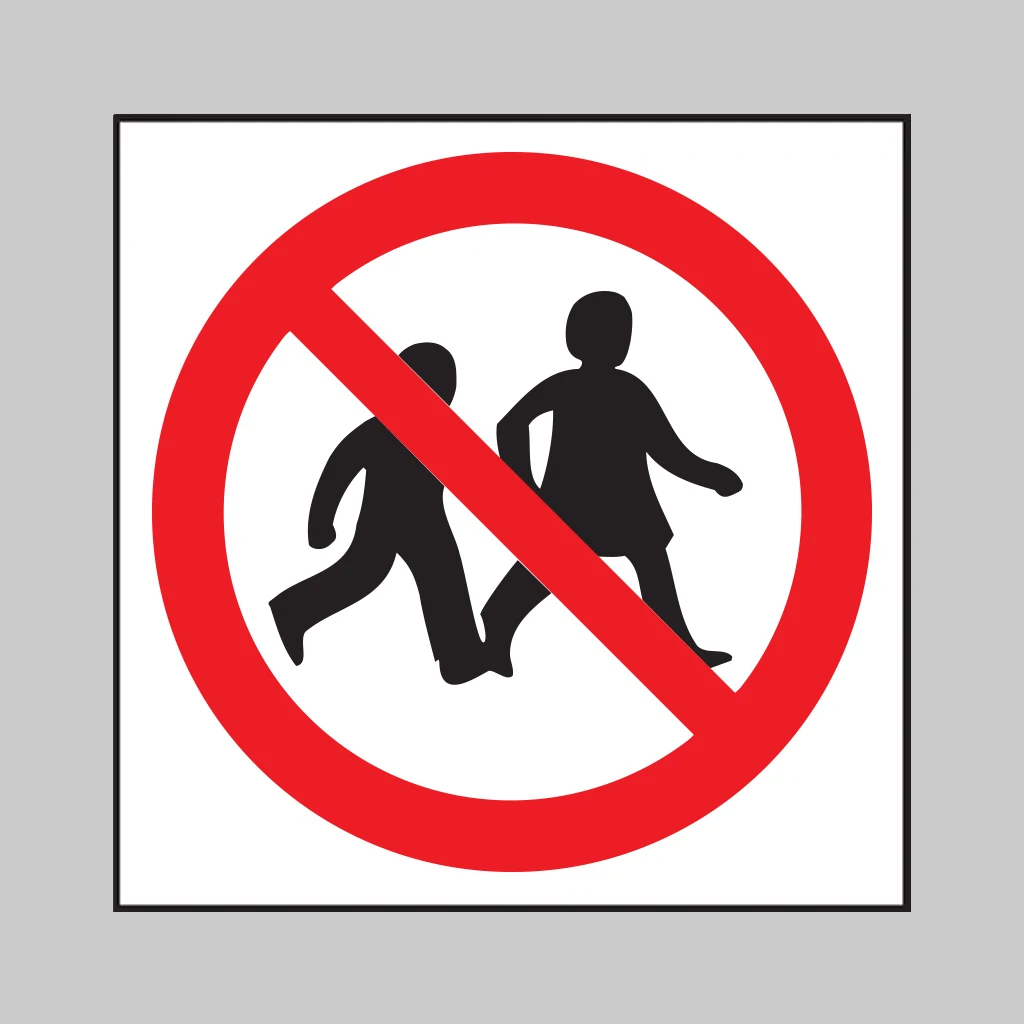
P036 | No children allowed | Prohibits children from entering a marked area. | Displayed in industrial sites, workshops, laboratories, plant rooms, construction areas, storage facilities. |
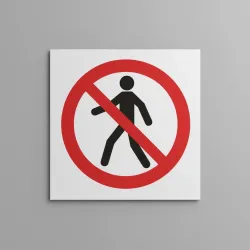
No Admittance Symbol Safety Signs
The No Admittance sign is primarily used to control access to certain areas where entry could pose a risk to individuals or compromise safety protocols. In environments like construction sites, laboratories, or areas with hazardous materials, limiting access ensures that only trained or authorised personnel enter, reducing the likelihood of accidents or injuries. This restriction helps maintain a ..
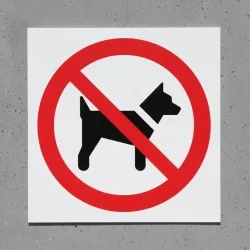
No Dogs (Symbol) Safety Signs
Used to clearly indicate that dogs are not allowed in a specific area. This restriction helps maintain hygiene, safety, and comfort for all visitors by preventing potential disturbances, allergies, or hazards related to dogs. These signs are commonly placed in places such as playgrounds, parks, nature reserves, sports fields, outdoor dining areas, or certain public buildings where the presenc..
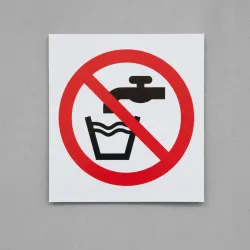
Not Drinking Water Symbol Safety Signs
Clearly indicate that the water from a specific source is not safe or intended for drinking. This helps prevent accidental consumption of contaminated, untreated, or non-potable water, protecting people from potential health risks such as illness or poisoning. These signs are typically placed near water taps, hoses, industrial pipes, irrigation systems, or any other water source that is unsui..
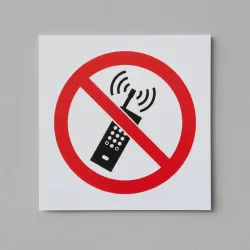
No Mobile Phones (Symbol) Safety Signs
Clearly communicate that the use of mobile phones is prohibited in a specific area. This restriction is important in places where mobile phone usage can cause distractions, interfere with sensitive equipment, or compromise safety. The symbol ensures the message is quickly understood by everyone, regardless of language or literacy levels. Such signs are commonly found in environments like hosp..